Newsletters


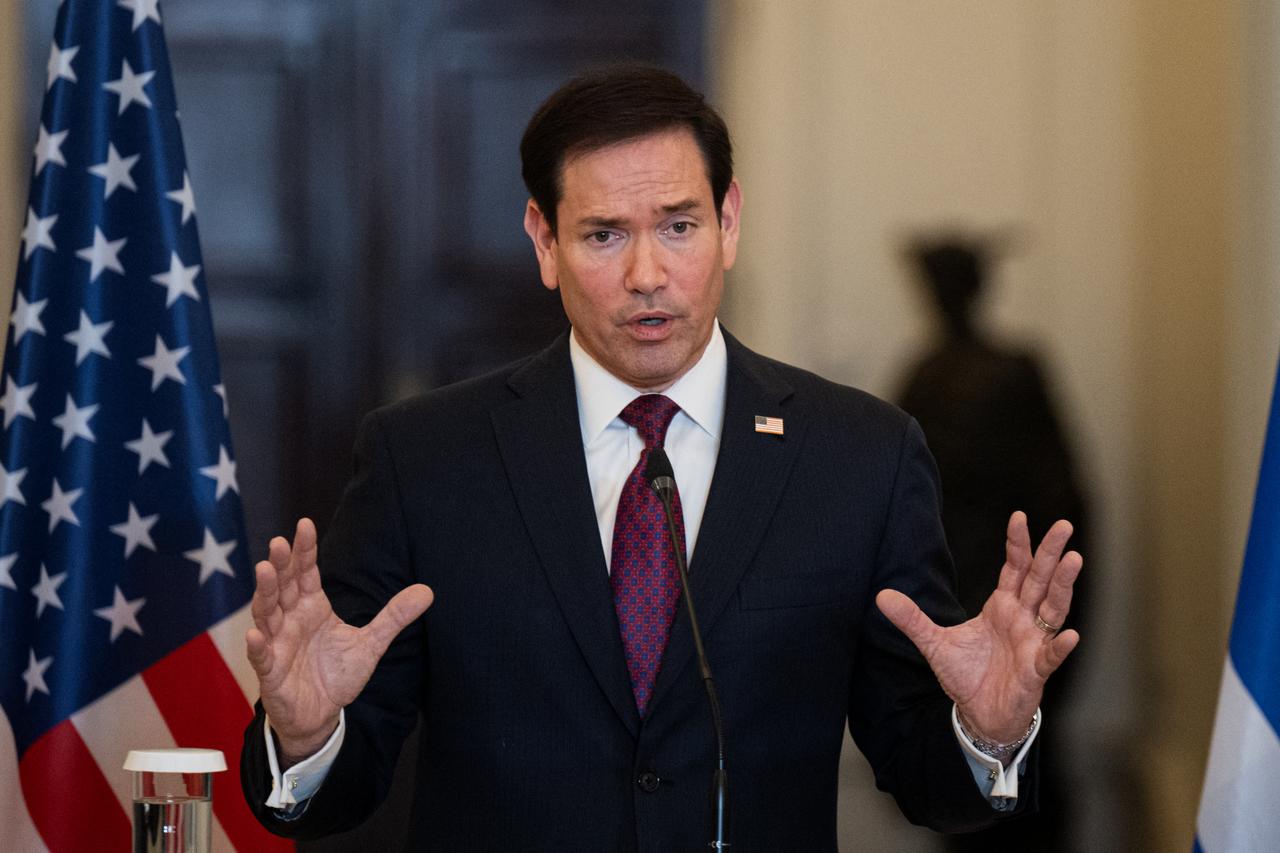


U.S. Secretary of State Marco Rubio said Wednesday that Iran has “lost complete control” of the Strait of Hormuz, arguing that oil flows through the strategic waterway had largely recovered despite months of maritime attacks.
“The Straits of Hormuz are open. There’s almost as much oil flowing out now as there was before this conflict began. So they’ve lost complete control of the Straits,” Rubio told reporters during a visit to Athens.
Rubio also said Iran’s economy was “in total and complete freefall,” arguing that U.S. sanctions had placed Tehran under severe pressure.
He said Iran’s economy was “about to reach a place few countries in the world have been” as a result of what he described as “crippling” sanctions.
Rubio said every dollar received by what he called “radical Shia clerics” was spent on Hezbollah and Hamas.
“Iran cannot have a nuclear weapon, simple, period, end of story,” he said.
“Anything they agree to that would be acceptable to the United States has to be something that ensures that Iran will never have a nuclear weapon,” Rubio added.
He argued that Iran “was trying to” build up a conventional military capability so large that it would become “untouchable.”
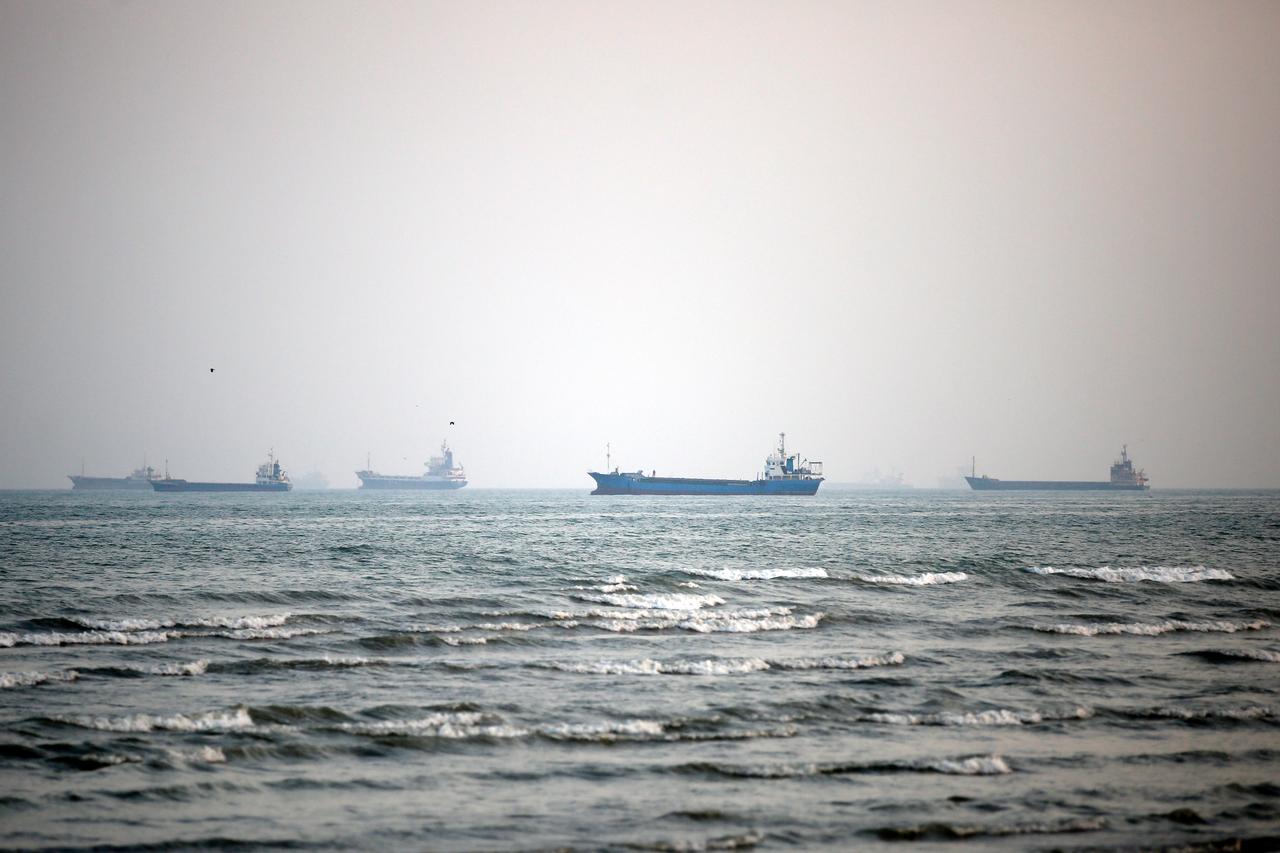
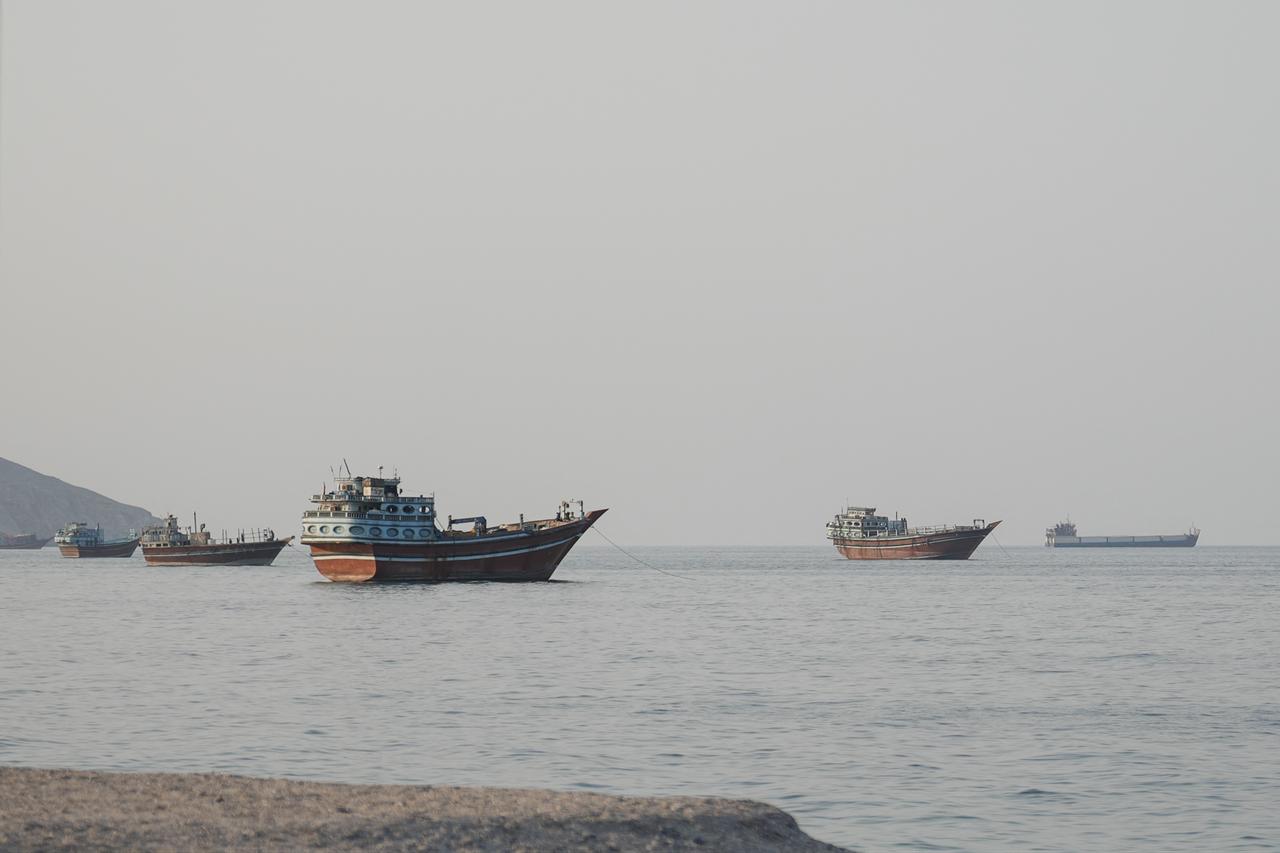
The Strait of Hormuz has been a key flashpoint in the war between the United States and Iran and has been the scene of months of maritime attacks.
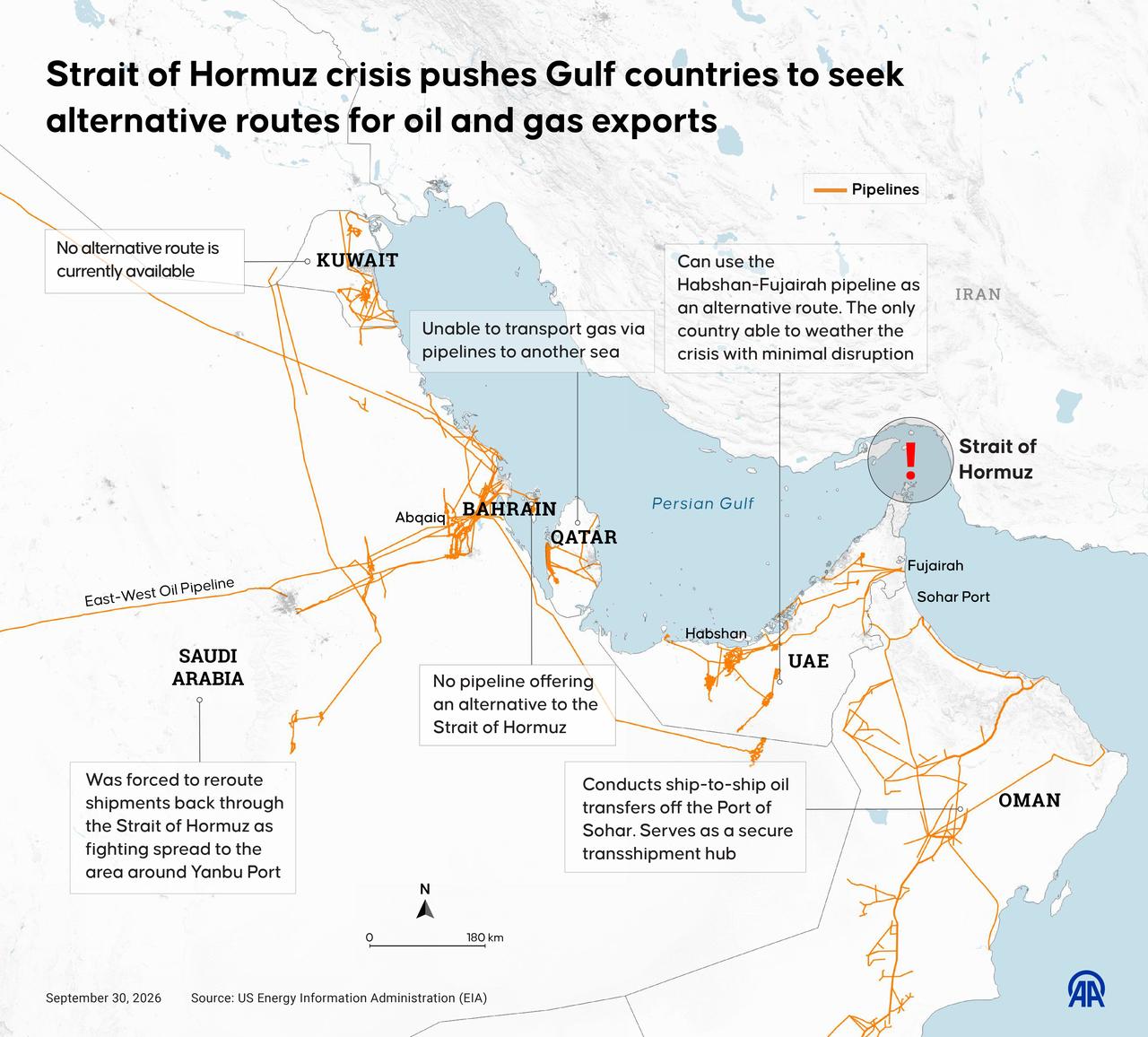

Brent crude traded around $100 per barrel Tuesday as shipping risks in the Strait of Hormuz remained in focus, while signs of recovering Middle Eastern exports weighed on prices.
Brent was trading at $100.06 per barrel, down 0.25% as of 4:35 p.m. GMT.
The U.S. benchmark West Texas Intermediate, or WTI, rose 0.2% to $89.60.
Oil prices initially fell Tuesday amid signs that Middle Eastern crude exports were recovering.
The United Kingdom Maritime Trade Operations has issued fresh warnings involving attacks on vessels in the Strait of Hormuz, underscoring continuing risks to energy shipments through the strategic waterway.
G7 countries agreed to implement a coordinated release of 100 million barrels through the International Energy Agency over four months, including substantial diesel releases within the first 20 days.
The group also pledged to refrain from energy export restrictions between member countries.
Seven OPEC+ producers agreed Sunday to maintain their September production levels for November.
Their next meeting is scheduled for Nov. 1.


 Set as preferred source
 Set as preferred source


 1 min read
 1 min read