Newsletters




Kosovo’s former President Hashim Thaci was found guilty of war crimes and sentenced to 25 years in prison by a tribunal in The Hague on Wednesday, in a long-awaited verdict likely to spark outrage in the Balkan country.
Judges said Thaci, who was tried along with three other former Kosovo Liberation Army figures, was guilty of illegal arrests, torture, murder and cruel treatment committed during Kosovo’s break from Serbia in the 1990s.
Thaci, 58, was sentenced for crimes committed while he was a top commander of the ethnic Albanian Kosovo Liberation Army, or KLA.
Prosecutors at the war crimes tribunal had sought a maximum 45-year prison sentence for Thaci and the other defendants—Kadri Veseli, Rexhep Selimi and Jakup Krasniqi.
All four defendants had pleaded not guilty to war crimes and crimes against humanity.
Krasniqi was also sentenced to 25 years in prison, while Selimi received 13 years and Veseli 18 years.
The court said all four were criminally responsible for the arbitrary detention and torture of hundreds of people and 96 murders.
They were acquitted of crimes against humanity charges.
The court also said Thaci, Veseli, Selimi and Krasniqi had “contributed significantly” during the Kosovo conflict to a common criminal purpose targeting perceived opponents of the KLA’s political and military goals.
Thaci resigned as president and surrendered to the court after his 2020 indictment. He has remained in detention in The Hague since then, with his time served counted toward his sentence.
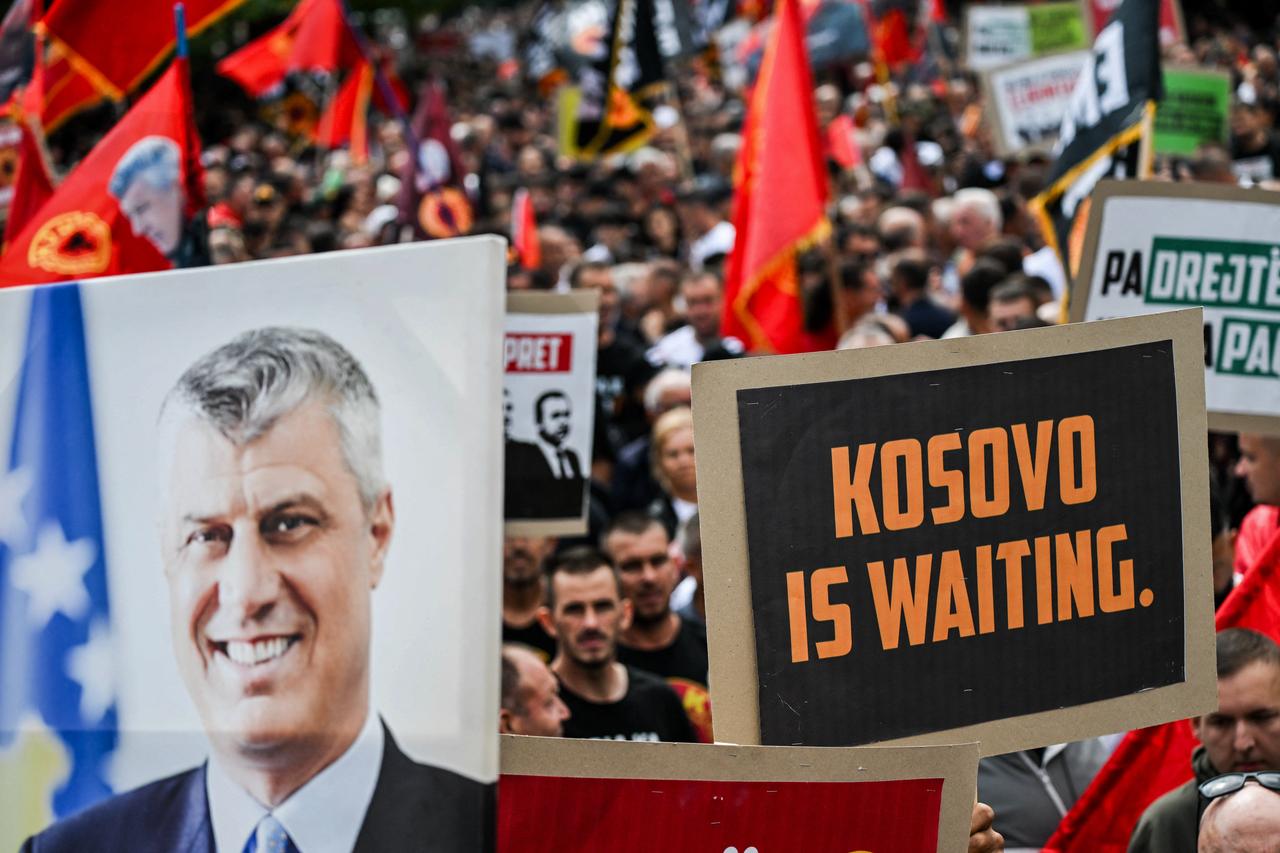

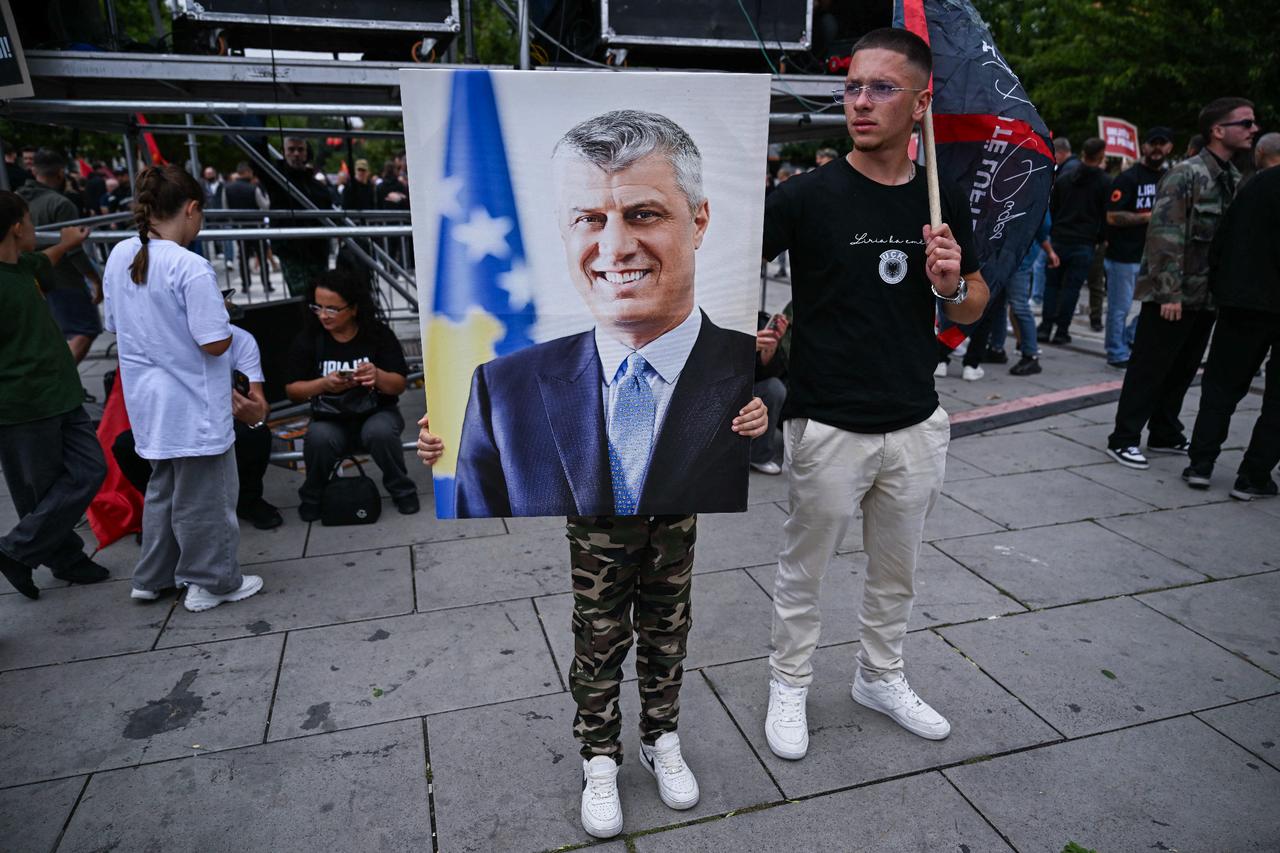
Thaci is considered a hero by many in Kosovo, where the verdict had been closely watched after a three-year trial.
For many in Kosovo, Thaci and the KLA are symbols of the country’s independence movement.
After the war, Thaci remained a central political figure and played a key role in Kosovo’s 2008 declaration of independence.
Images of Thaci, who also served as prime minister, have regularly appeared on huge billboards across the country throughout the trial.
In Kosovo’s capital, a large crowd gathered to watch the sentencing live on large screens.
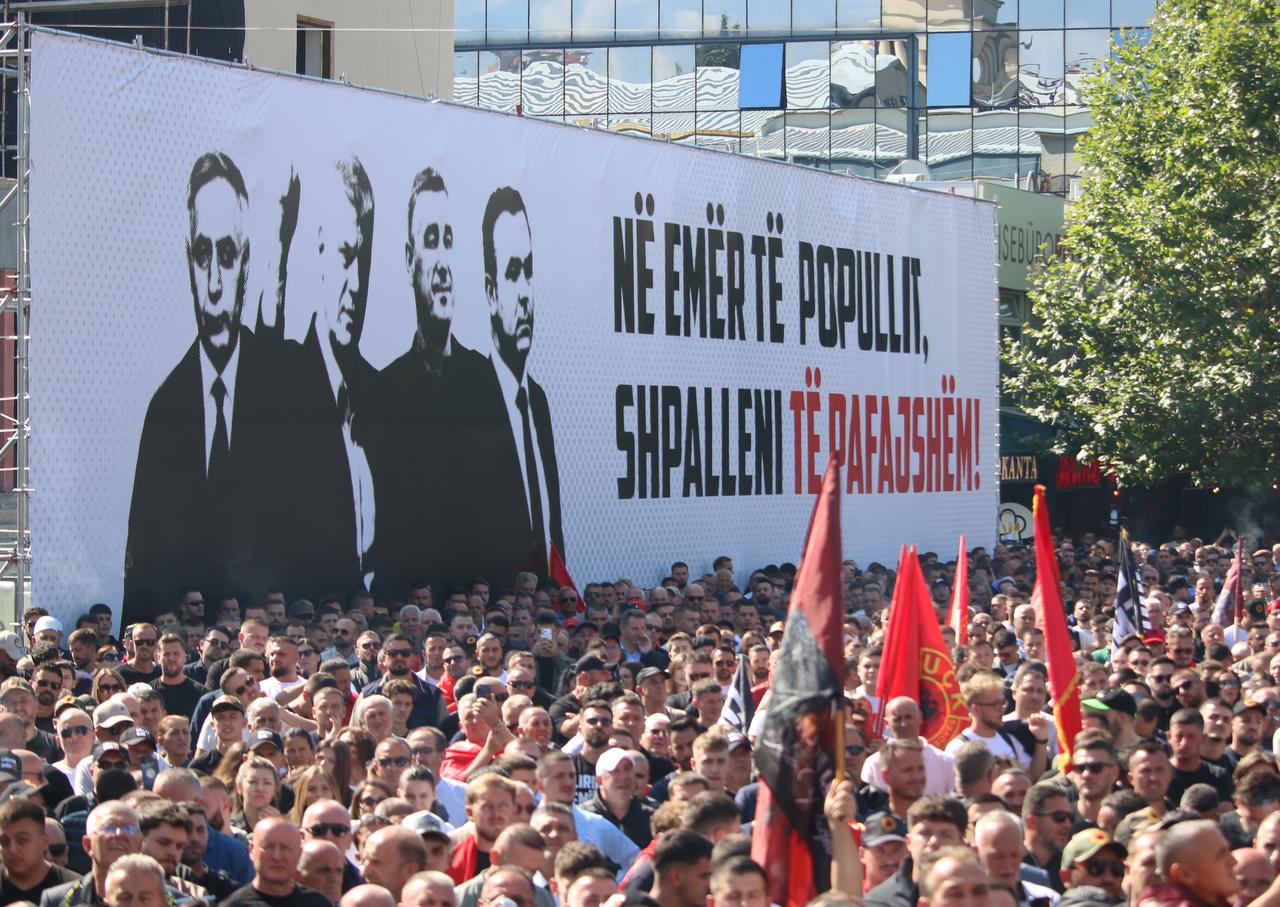
As the decision was delivered, the crowd fell silent, with many appearing shocked after weeks of preparation by his supporters for a possible acquittal.
Expectations of a possible release for Thaci and his co-accused had drawn huge crowds for a rally over the weekend. On Wednesday, hundreds gathered in the capital again ahead of the verdict as clocks counted down to the decision.
But once it became clear the former president would remain in detention, the square was almost deserted within minutes.
“A terrible judgment for Kosovo, for our liberation war. It is a sad, unjust, undeserved decision,” Kosovo Foreign Minister Glauk Konjufca told media outside the court.
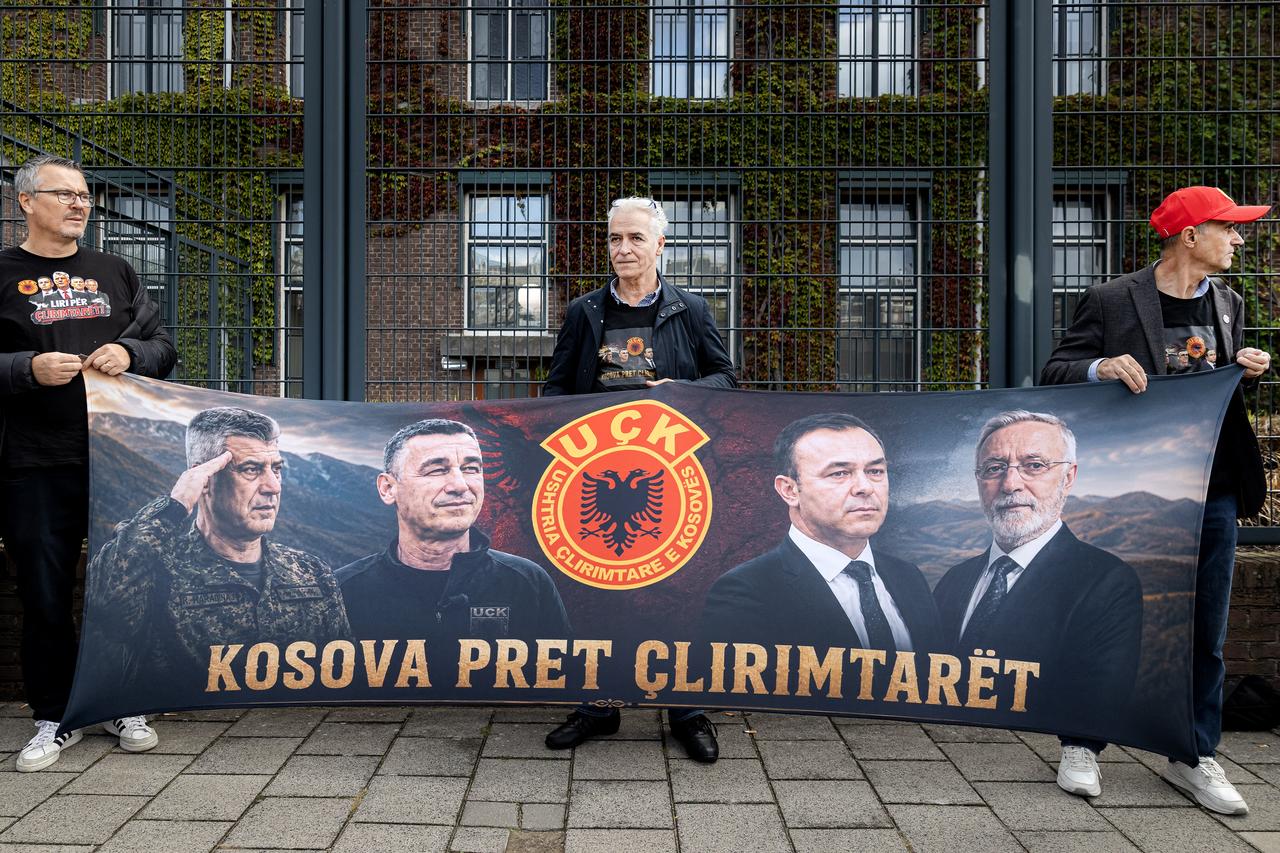
The Kosovo Specialist Chambers, although based in the Netherlands and staffed by international judges, was established under Kosovo law specifically to prosecute alleged crimes committed by KLA members during the war.
Before the court was established, earlier cases in Kosovo largely failed because of alleged witness intimidation and political interference.
Deeply unpopular from its foundation, the court’s use of evidence supplied by Belgrade, which still refuses to recognize its former province’s independence, has further inflamed accusations of political bias.
Prosecutors have sought throughout the trial to distinguish between Kosovo’s independence struggle and the men on trial.
They said all four men were responsible for crimes committed against prisoners held at KLA detention facilities in Kosovo and neighboring Albania, as well as politically motivated murders of Serb, Albanian and Roma civilians.
The crimes were committed during and just after the Kosovo war, which claimed about 13,000 lives.
Defense lawyers argued that the KLA lacked a strict command structure and that senior figures could not control or be held responsible for fighters who committed crimes.


 Set as preferred source
 Set as preferred source


 2 min read