Newsletters





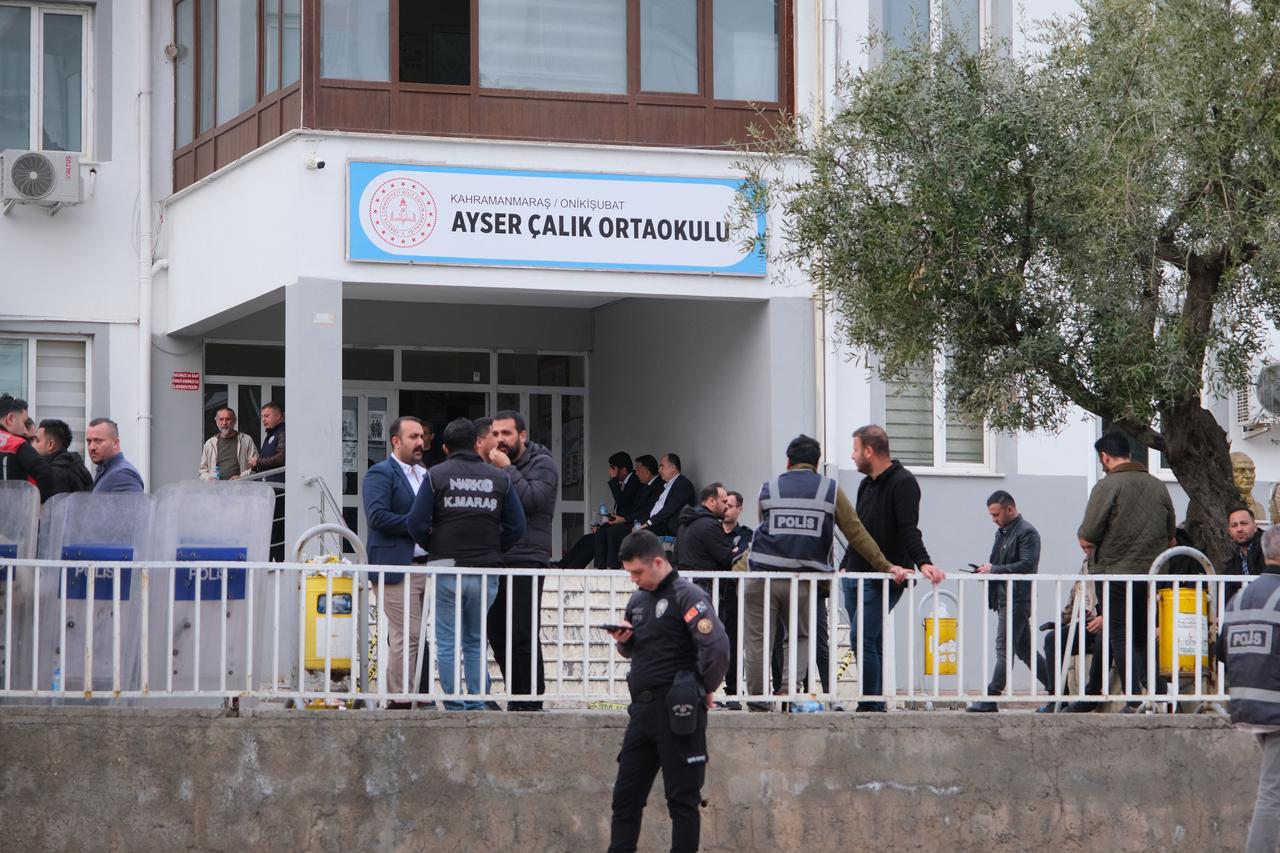
Turkish authorities are preparing a new set of measures aimed at strengthening the protection of children in digital spaces, following consecutive school attacks in Sanliurfa and Kahramanmaras that have deeply shaken the nation, according to a report from Türkiye daily.
The Information and Communication Technologies Authority (BTK) has reportedly begun work on comprehensive regulations targeting online risks faced by minors, particularly exposure to violent digital content.
Investigations into the incidents revealed that the perpetrators had been actively engaged with violent computer and mobile games, raising concerns about the influence of such content on young individuals.
In response, authorities are considering steps to limit access to games and media that may promote aggression or harmful behavior among children.


A key component of the proposed framework involves the regulation of Virtual Private Network (VPN) services. These platforms, commonly used to bypass restricted content, may soon be subject to licensing requirements.
Officials believe this would help prevent minors from accessing blocked or inappropriate material through alternative means.
In addition, the BTK is planning to introduce a dedicated mobile subscription category for users under the age of 18, referred to as a “child line.” This system would allow for clearer identification of minors’ mobile usage while enabling enhanced parental control, including monitoring and content filtering capabilities.
The proposed measures remain under development, with further details expected to be clarified in the coming period.
Nonetheless, the initiative signals a broader effort by Turkish authorities to address the intersection of digital consumption and youth safety.


 Set as preferred source
 Set as preferred source



 3 min read