Newsletters


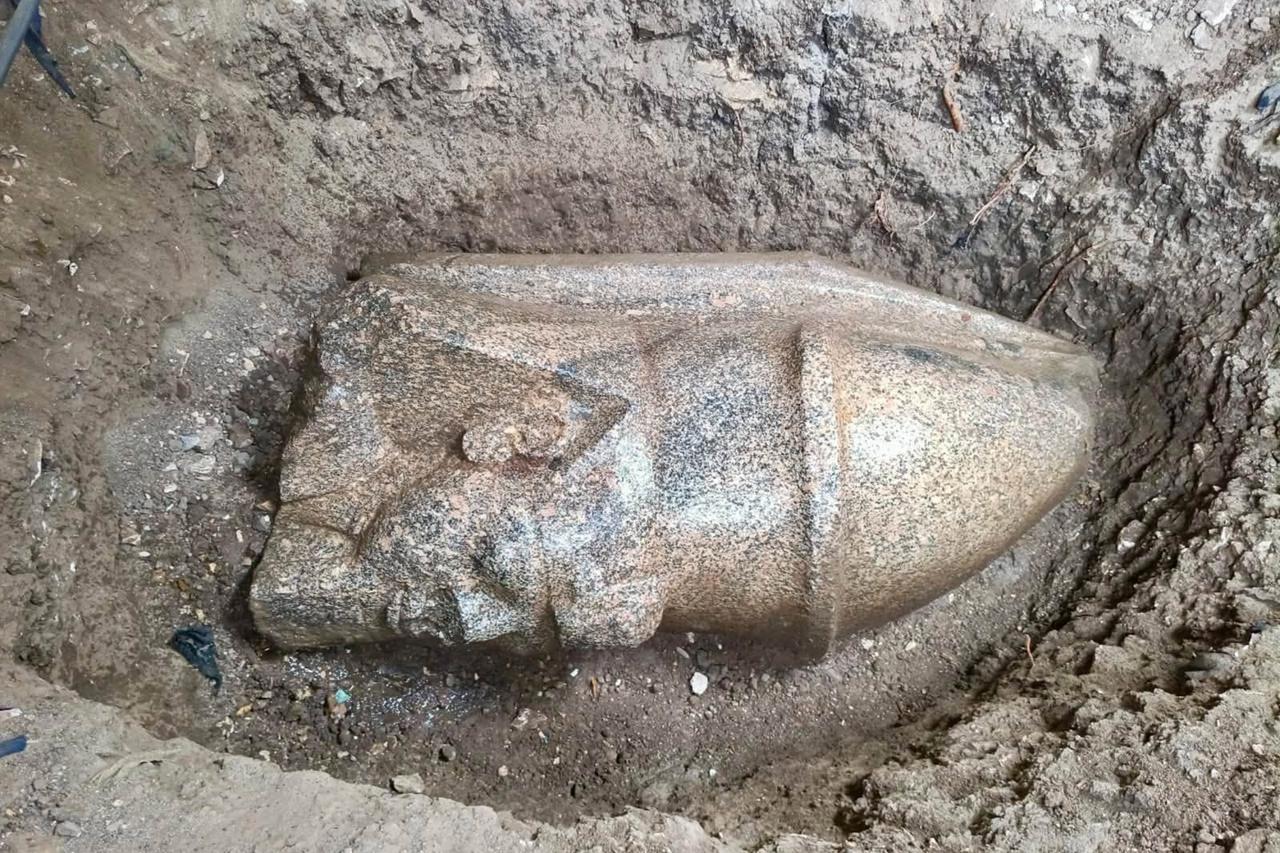


An Egyptian villager who came across an inscribed stone outside his home has led archaeologists to uncover colossal royal statues believed to depict Pharaoh Ramses II, along with other ancient artifacts, Egypt's Tourism and Antiquities Ministry announced on Wednesday.
Khaled el-Shahat Khalil made the initial discovery while working on his land in Behbeit el-Hagar, a village in northern Egypt's Gharbia province, before reporting the unusual stone to local antiquities authorities.
His decision prompted archaeological excavations that brought to light a massive statue head measuring 1.6 meters (5.25 feet) tall, depicting Ramses II wearing the double crown, a royal symbol representing the unification of Upper and Lower Egypt.
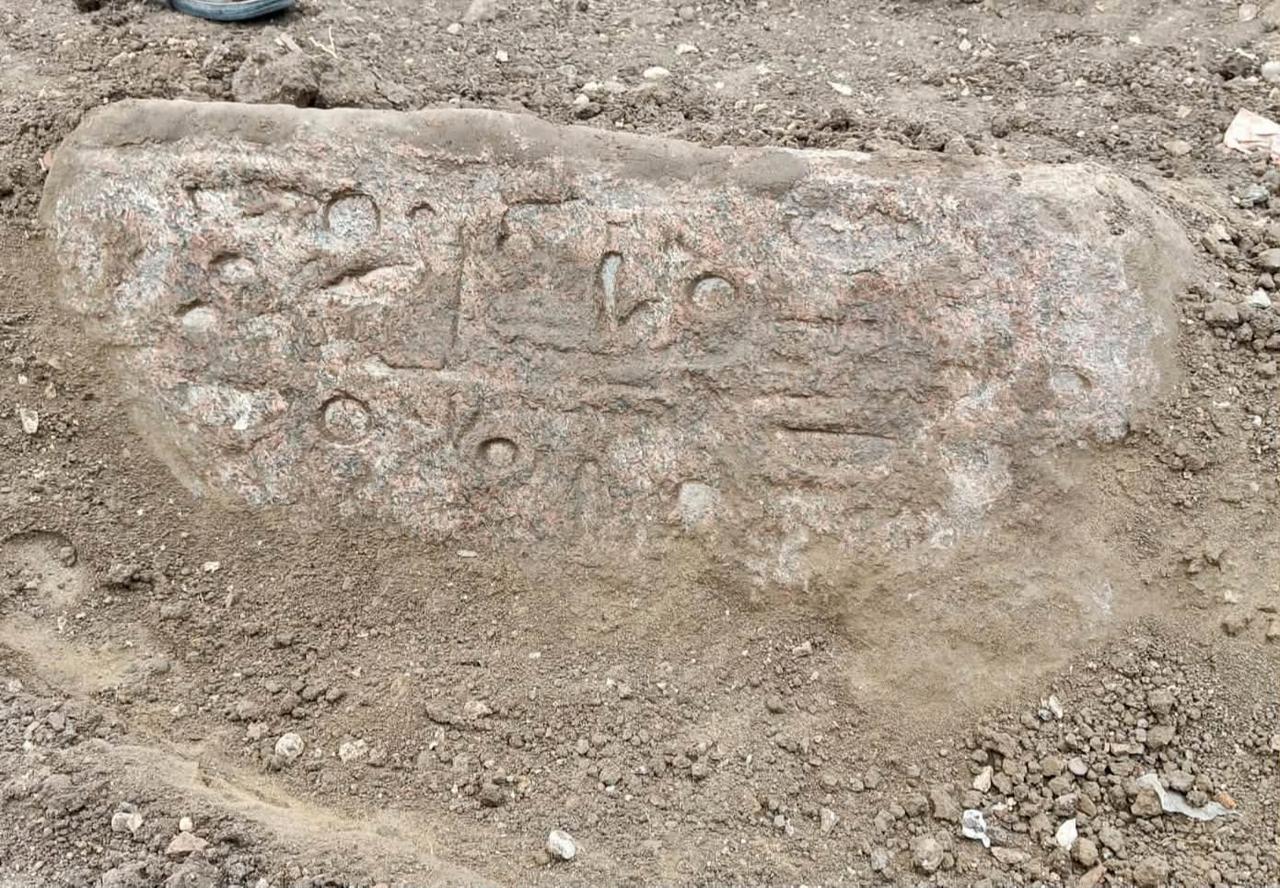

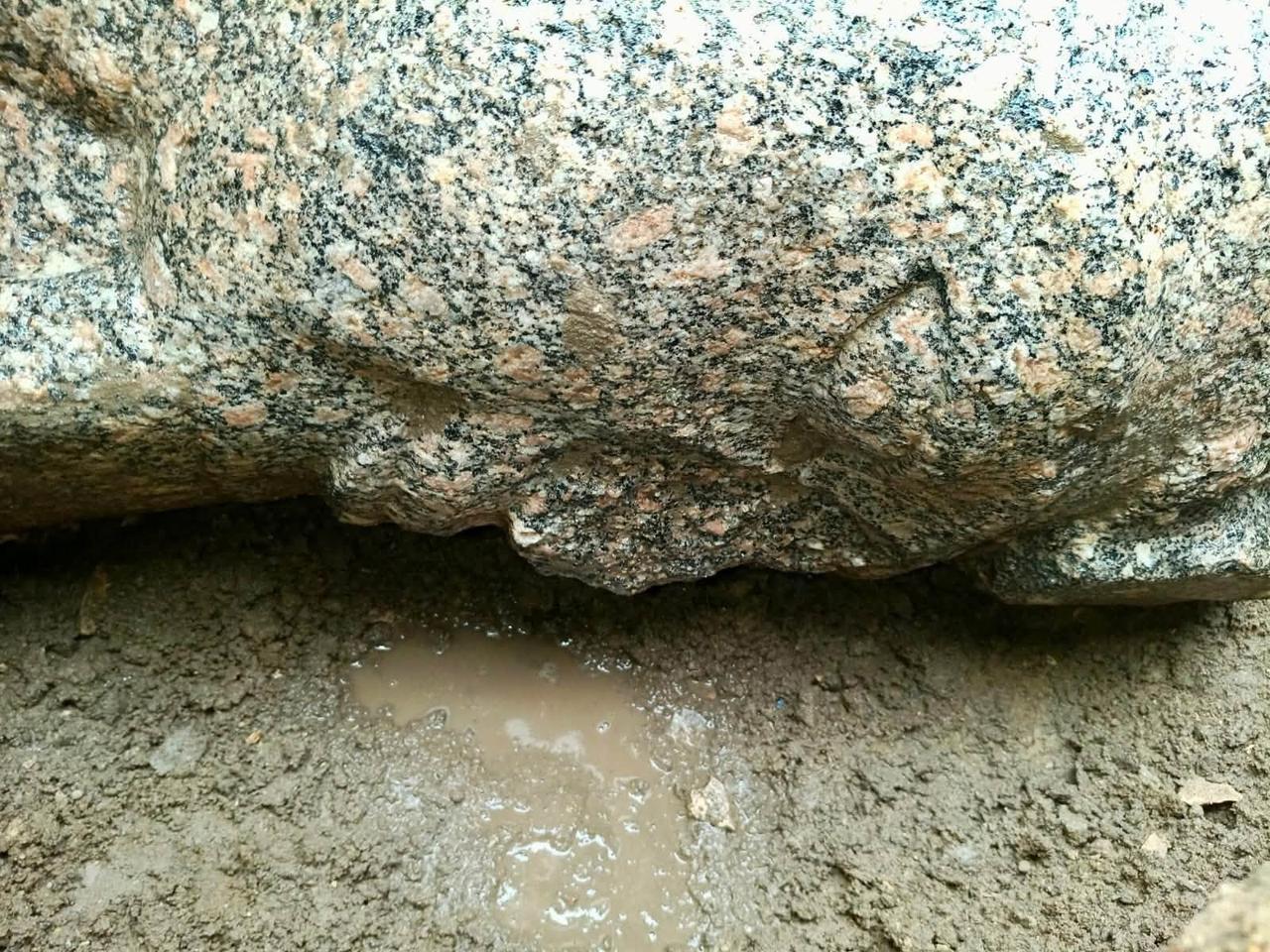
Alongside the colossal head, archaeologists uncovered much of a second royal statue measuring 2.4 meters (7.87 feet), also believed to represent Ramses II. Its surviving head features well-preserved facial details beneath a traditional royal headdress.
The excavation team also recovered a 1.3-meter (4.26-foot) block of pink granite bearing ancient Egyptian hieroglyphic inscriptions, including two royal titles associated with Ramses II.
The discoveries were made in Behbeit el-Hagar, a settlement in the Nile Delta that is also home to the remains of an ancient temple dedicated to Isis, an important goddess in ancient Egyptian religion.
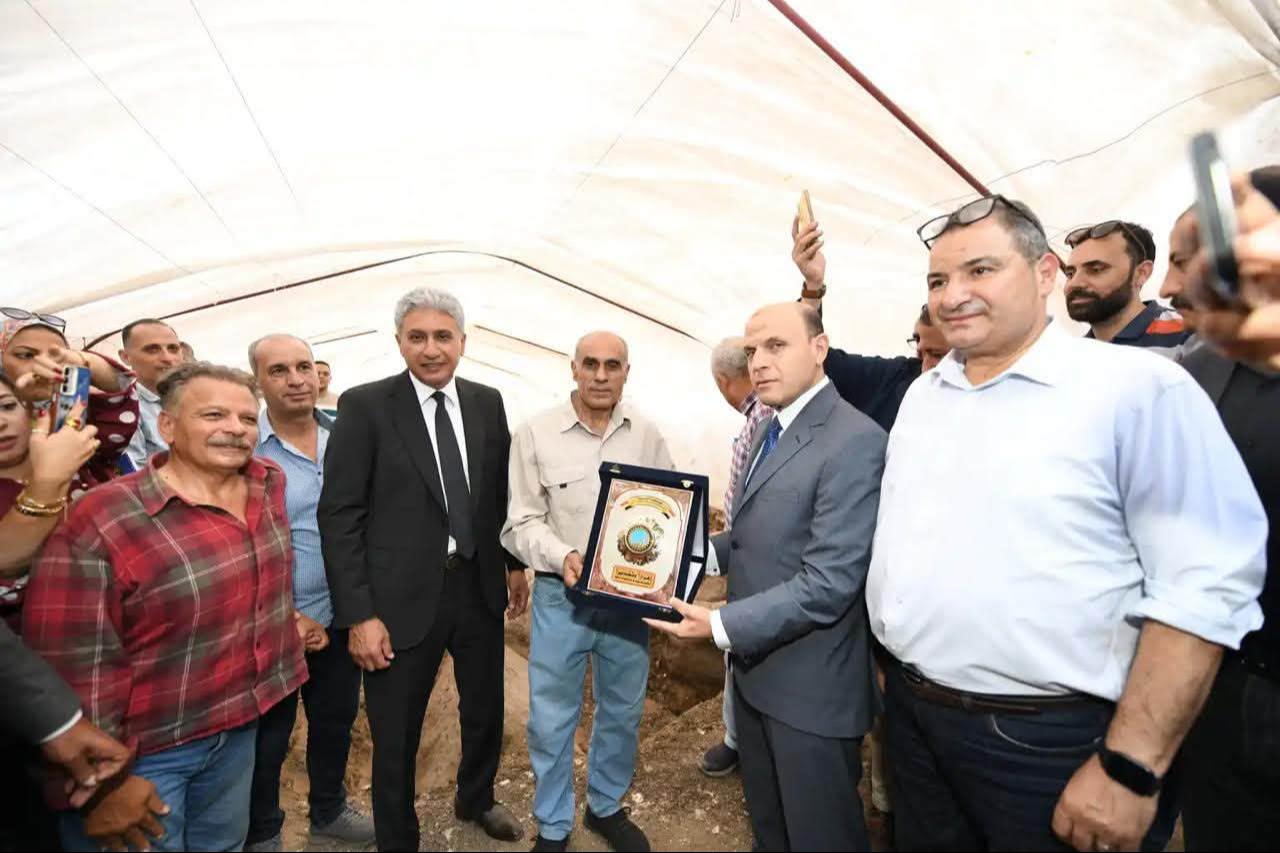
Following the discovery, Egyptian Tourism and Antiquities Minister Sherif Fathy and Gharbia Governor Alaa Abdel Moaty visited Khalil in his village on Wednesday to recognize his contribution to protecting the country's archaeological heritage.
Khalil and his wife received a certificate of appreciation and an Umrah pilgrimage to Mecca, a religious journey undertaken by Muslims outside the annual Hajj pilgrimage.
Fathy said Khalil's decision to report the inscribed stone rather than leave it unreported had allowed specialists to carry out excavations and preserve the archaeological finds.
The discovery highlights how an initial report from a local resident led authorities to identify and recover ancient royal sculptures and inscriptions at the Nile Delta site.


 Set as preferred source
 Set as preferred source


 3 min read