Newsletters


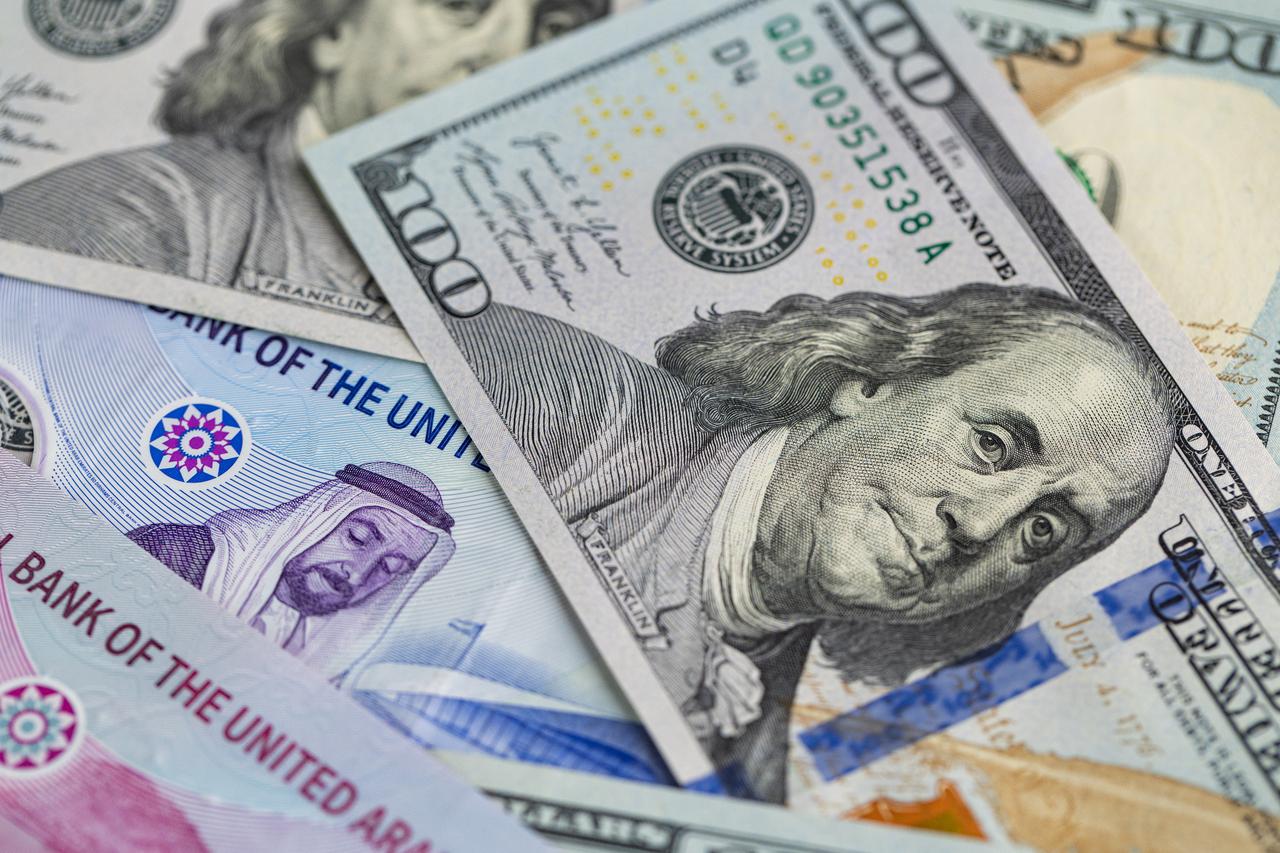


Periods of uncertainty in terms of the oil price outlook typically bring debate about the benefits of Gulf states' depegging from the U.S. dollar.
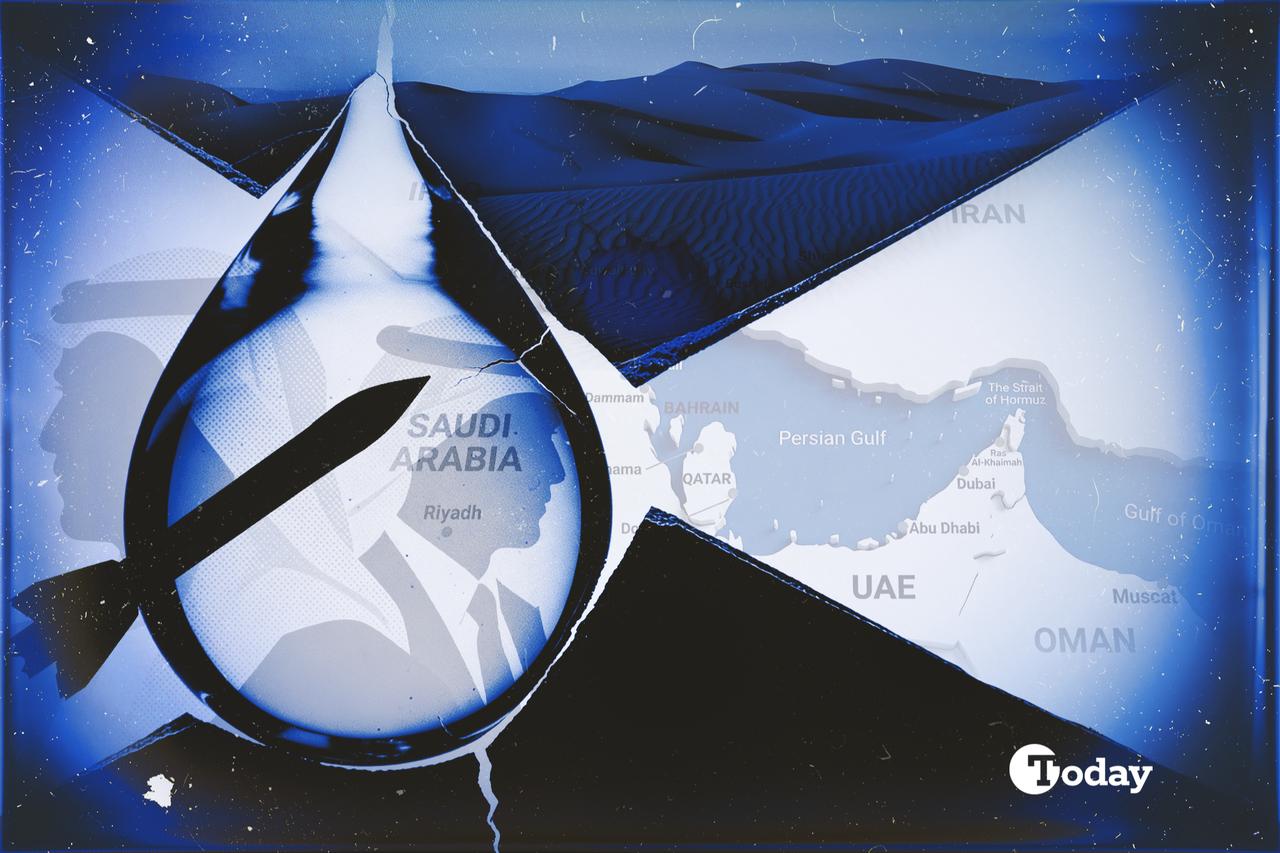
While oil prices are currently high because of the war in Iran, oil export volumes for a range of Gulf states—from Bahrain to Kuwait, Qatar and the UAE—have plummeted as a result of restricted flow through the Gulf.
Alongside, the non-oil sectors of these economies have been badly impacted by the perception of insecurity, with tourism stalling and expats leaving. Gulf economies are suffering.
Against this backdrop, the question is whether a more flexible and weaker exchange rate would help the adjustment, particularly for the non-oil economy, and help cushion the economic impact of the ongoing war in Iran.
The consensus is still that depegging would only add more uncertainty, especially for those hit hardest by the war.
And as long as most exports are still priced in dollars, a preemptive move makes little sense.
It is still uncertain if the UAE's decision to leave OPEC has changed the calculus and whether the UAE’s cast-iron sovereign balance sheet could change the logic.
The UAE's move on OPEC was partly linked to the wider geopolitical tensions in the region—rivalry between the UAE and Saudi Arabia—and the UAE wishing to send a strong signal of its independence of action and sovereignty.
The signaling from the UAE here was also that it sees the need for a faster move toward diversification from oil and the need to maximize short-term oil sales to invest in accelerating this diversification strategy.
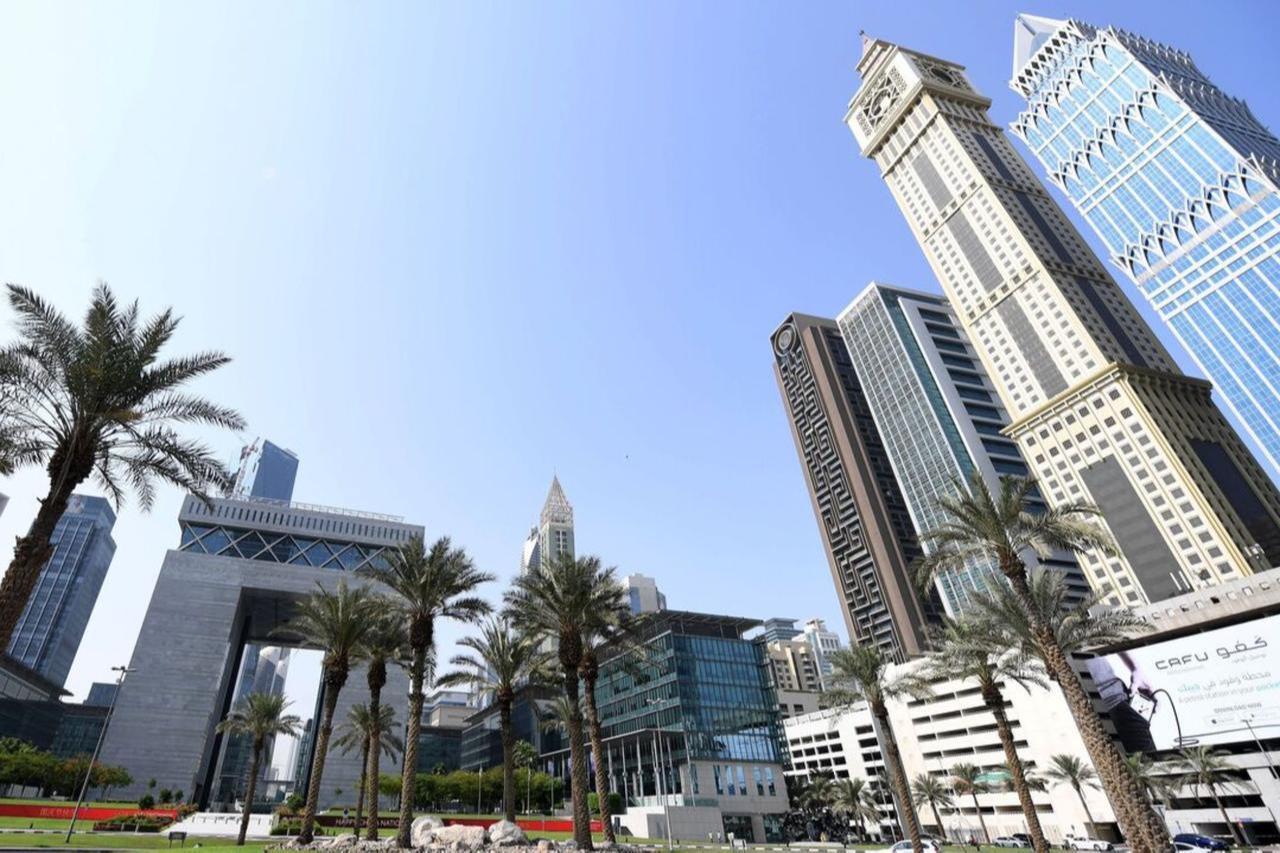
Against this backdrop, a preemptive move by the UAE to depeg would enhance this message about its intention to fast-track diversification.
Actually, given the underlying strength of the UAE's balance sheet, with more than a trillion in sovereign wealth assets and longer-term trends toward fiscal and current account surpluses, any depegging might suggest a stronger, not weaker, currency. The positive implications of this could be numerous.


First, the AED might well strengthen, pulling in additional capital inflows. This would enable a truly independent UAE monetary authority to cut policy rates below the Fed, allowing it to fund itself more cheaply than the U.S. This would deliver additional and cheaper capital to fund accelerated diversification.
Second, assuming continued dollar weakness upon the end of the Iran war and a resumption of the prior trend of the world increasingly looking to diversify away from the now unreliable U.S., a move to depeg from the dollar would insulate the UAE from importing inflation from the United States. Expected AED appreciation would further help counter inflationary pressures.
Third, having a truly independent central bank and monetary policy would send a broader positive signal about the stage of development of the UAE and its capital markets. It would send a message of confidence and would likely further enhance the UAE’s position as an international financial center alongside London, New York and Hong Kong.
The AED would then advance its case to become a global reserve currency, with major reputational gains, and I would suggest that global reserve currency status requires an independent monetary policy.
Acknowledging the clear competition now between the UAE and Saudi Arabia as the leading economic and financial centers of the Gulf, the UAE would steal a march on Saudi Arabia by taking the position of the preeminent Gulf financial center.
By depegging early, the UAE would assume the position of the reserve currency state of the region and anchor its position as the leading financial center of the region.
Following the UAE’s move to reach out to Israel to better secure its defense and leave OPEC, such a move would signal that the UAE is not constrained by convention but acts in its own self-interest and is able to think and act outside the box to deliver long-term well-being for its population.
Fourth, in an uncertain world, depegging and running an independent and flexible monetary and exchange rate regime would give the UAE flexibility in future policy actions—the possibility to increase or decrease policy rates and appreciate or depreciate its currency.
On the latter, its huge sovereign wealth fund balance still gives it the possibility to place the currency wherever it wants.
That flexibility would be enhanced with a move to an independent monetary policy.
Timing is always key, and the question is whether the UAE would want to undertake such a move while the straits remain disrupted and uncertainty remains over broader security in the region pending a lasting deal with Iran.
But assuming hostilities cease soon, the UAE might see an opportunity to depeg, taking the lead in an action that has long appeared to be a long-term goal as Gulf states pursue diversification strategies away from oil.
What better way to send a strong message of confidence in the UAE, its economic outlook, sovereignty and independence than an early move to depeg, coming soon after an exit from OPEC and perhaps even the GCC?
And if any Gulf state can do it early, it is likely the UAE, simply because of the strength of its balance sheet.
Surely it is also better to do it from a position of strength, perhaps as soon as energy exports through the straits return to some kind of normality.
Gulf states do not want to take such action when they have to—that is, when oil prices are much lower, which might be the case once the war ends. This could happen once the war ends, or if OPEC enters a supply war with non-OPEC members, including the UAE. It could also occur if global growth suffers from demand destruction caused by currently elevated oil prices. This scenario could unfold within a year or so.
Any move to depeg should come when the state is still in control and can easily manage the outcome.
DISCLAIMER: The views and opinions expressed in this article are those of the author and may not necessarily reflect the editorial policy of Türkiye Today.
Timothy Ash is a regular contributor to Türkiye Today. In addition to his contributions, our outlet has been granted permission to republish his personal Substack articles.


 Set as preferred source
 Set as preferred source


 1 min read
 1 min read