Newsletters


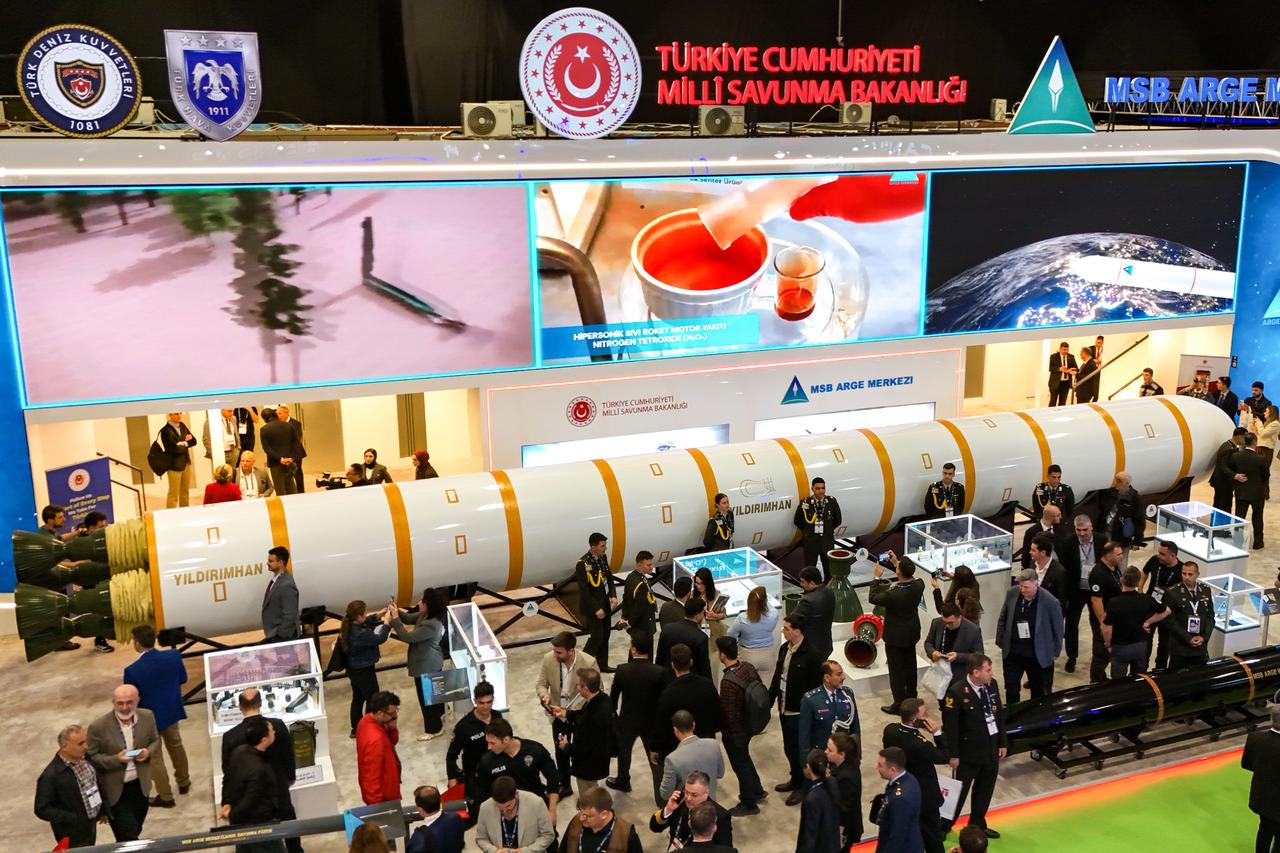


In the minds of many established geopolitical capitals, Türkiye’s emergence as a major defense industrial power has been treated with a mixture of surprise, suspicion and belated admiration.
For decades, Ankara was viewed primarily as a large NATO consumer of Western weapons.
A militarily significant country with strategic geography, certainly, but one whose capacity was moderated by the generosity of American and European export controls.
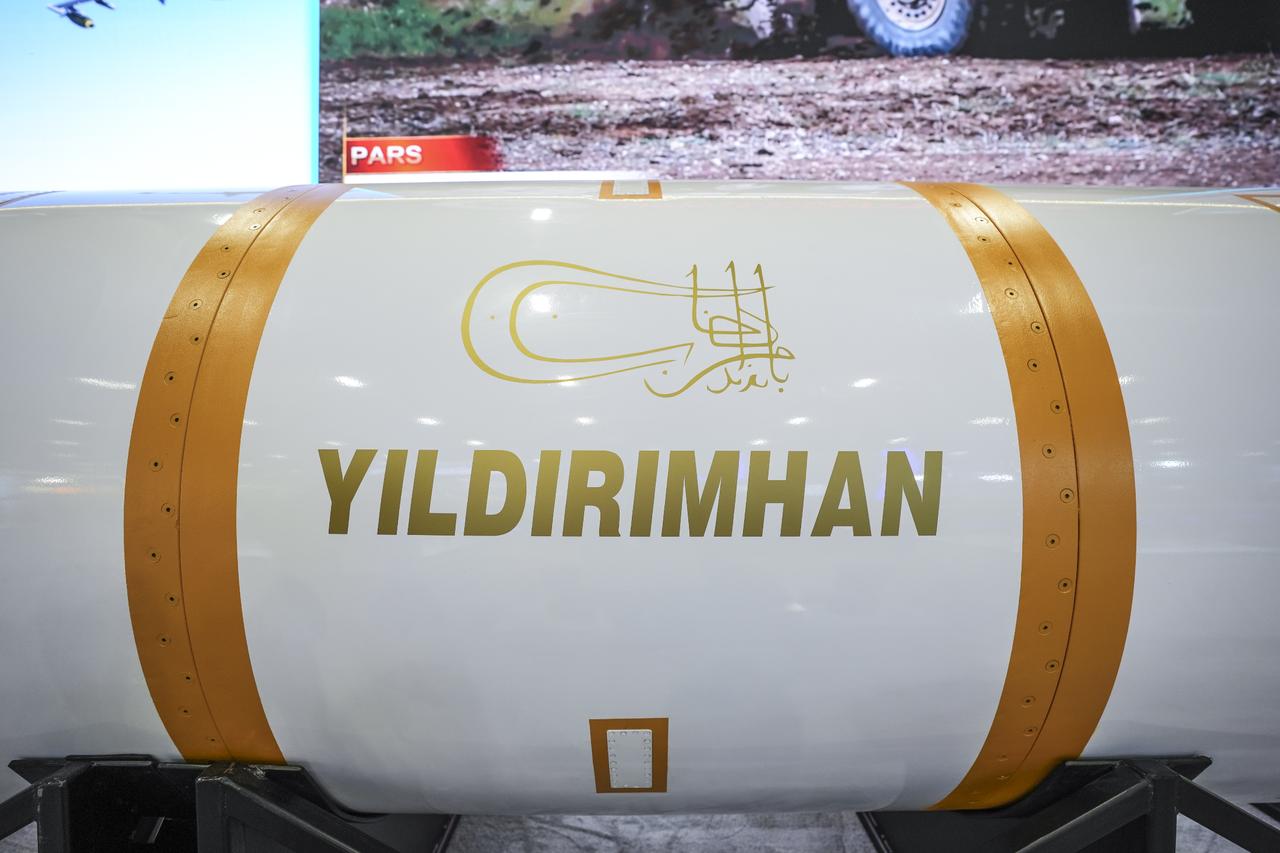
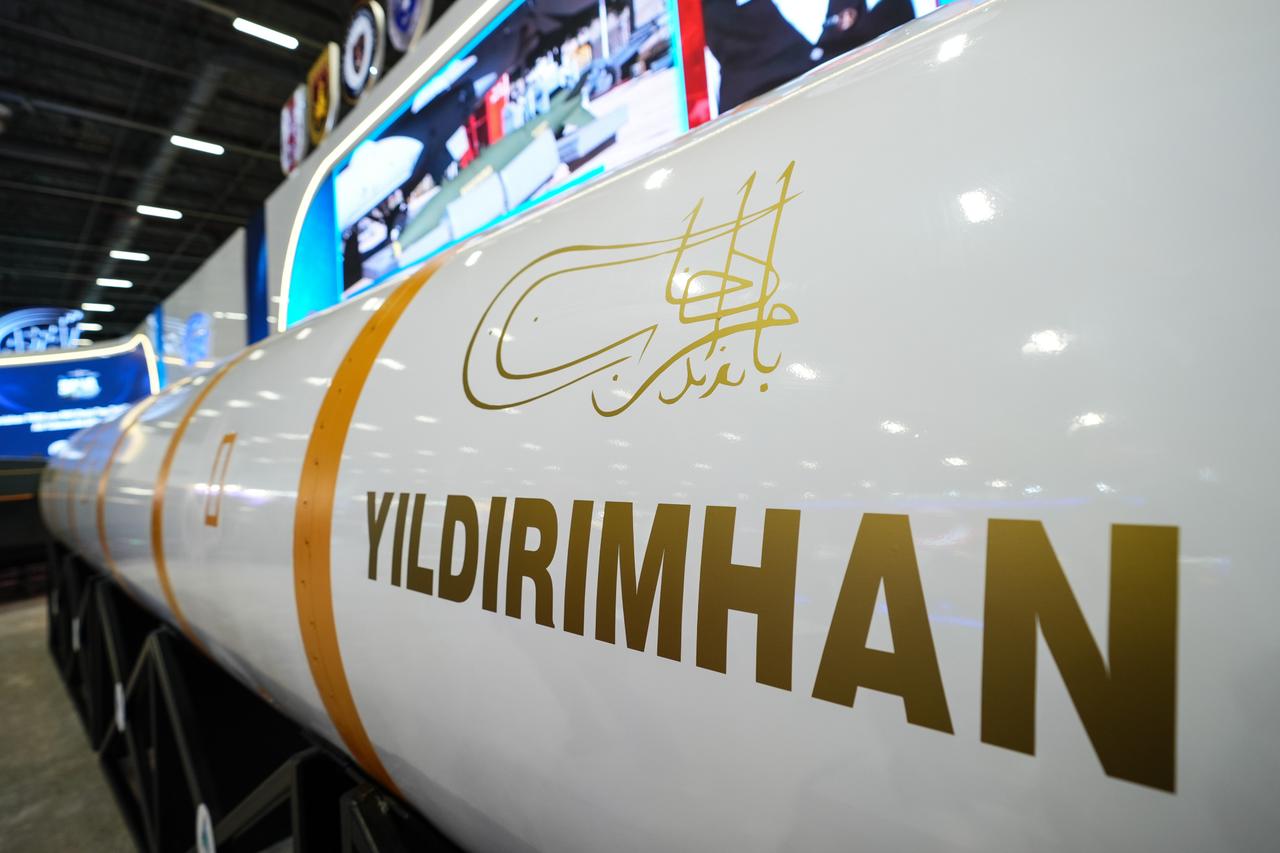
That old perception of Ankara now looks obsolete. The SAHA 2026 defense expo held in Istanbul this week is best understood as a demonstration of a deeper transformation: Türkiye has moved from defense dependency to defense-industrial autonomy.
Once constrained by the decisions of external partners, Türkiye leans on the optionality provided by its own defense primes, enabling deeper production capacity to open export markets and selectively choose how to co-develop its indigenous technology.
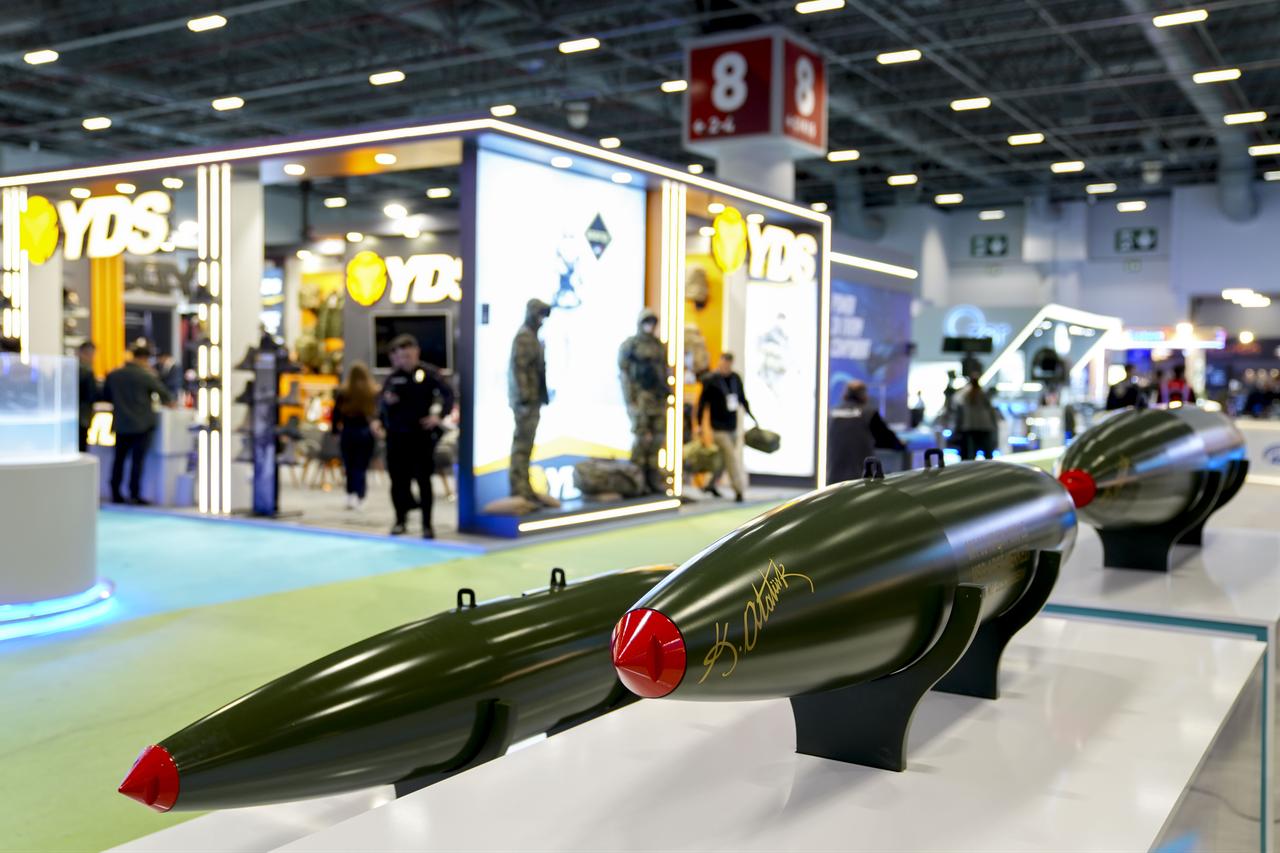

This transformation is not surprising. It has been spurred by geopolitical necessity. For Türkiye, defense dependency was never an abstract policy problem.
It was experienced directly.
The aftermath of the 1974 Cyprus intervention, repeated arms embargoes, and hesitation from allies during moments of crisis all pointed Ankara in the same direction.
Later disputes over drones, air defense systems and Syria policy, along with Türkiye’s exclusion from the F-35 program, only reinforced the same strategic conclusion: a state that cannot command enough of its own defense production cannot fully command its own foreign policy.
Later disputes over drones, air defense systems and Syria policy, along with Türkiye’s exclusion from the F-35 program, only reinforced the same strategic conclusion: a state that cannot command enough of its own defense production cannot fully command its own foreign policy.
Out of that conclusion came a national project.
The Turkish state, through the Presidency of Defense Industries, aligned procurement, political ambition, military demand, and industrial policy around a simple objective: reduce dependency and build domestic capacity.
The result has been striking. In the early 2000s, Türkiye’s defense exports were negligible by the standards of major producers. Two decades later, they have become a serious pillar of Turkish external influence.
Turkish companies now sell drones, armored vehicles, naval platforms, missiles, sensors, electronics and aerospace systems across the Middle East, Africa, Asia and Europe.
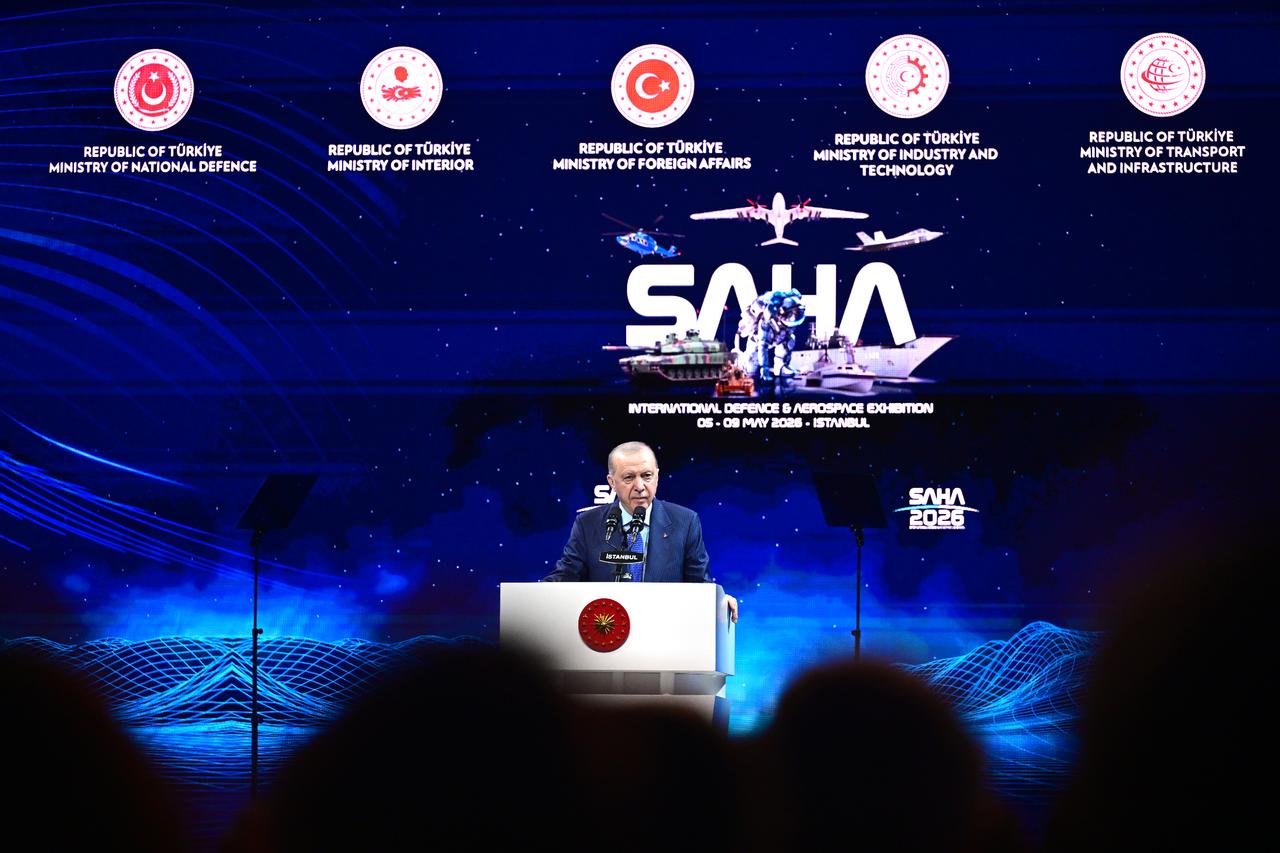
It is this accumulated transformation that President Erdogan captured in his address at SAHA 2026, describing the Turkish defense industry as “an ecosystem that is in demand, trusted, closely followed, and preferred not only in its region but also worldwide.”
The point was less a rhetorical flourish than a strategic reality. Türkiye’s defense sector is no longer organized around the problem of access to foreign systems but around production, export, co-development, and influence.
What is worth stressing is that no single platform, however successful, has uniquely defined this transformation. It has been sweeping.
The Bayraktar TB2, for example, became the symbol of Turkish defense emergence because of its battlefield visibility in Syria, Libya, Karabakh and Ukraine.
Yet the real story is broader than Baykar. Aselsan, Roketsan, Turkish Aerospace, STM, Havelsan, Otokar, FNSS, BMC and a growing universe of smaller suppliers have together created something far more valuable than a single export hit: a defense-industrial base with breadth, depth and international demand.
This distinction matters. Defense power in the 21st century will belong to countries that can iterate, adapt, scale and export, as well as those that can produce exquisite platforms at the highest cost.
Türkiye has understood this better than many of its European allies.
Its products have often occupied a commercially powerful middle ground: capable enough to matter, affordable enough to buy, available enough to deploy, and politically easier to obtain than many ostensibly Western alternatives.
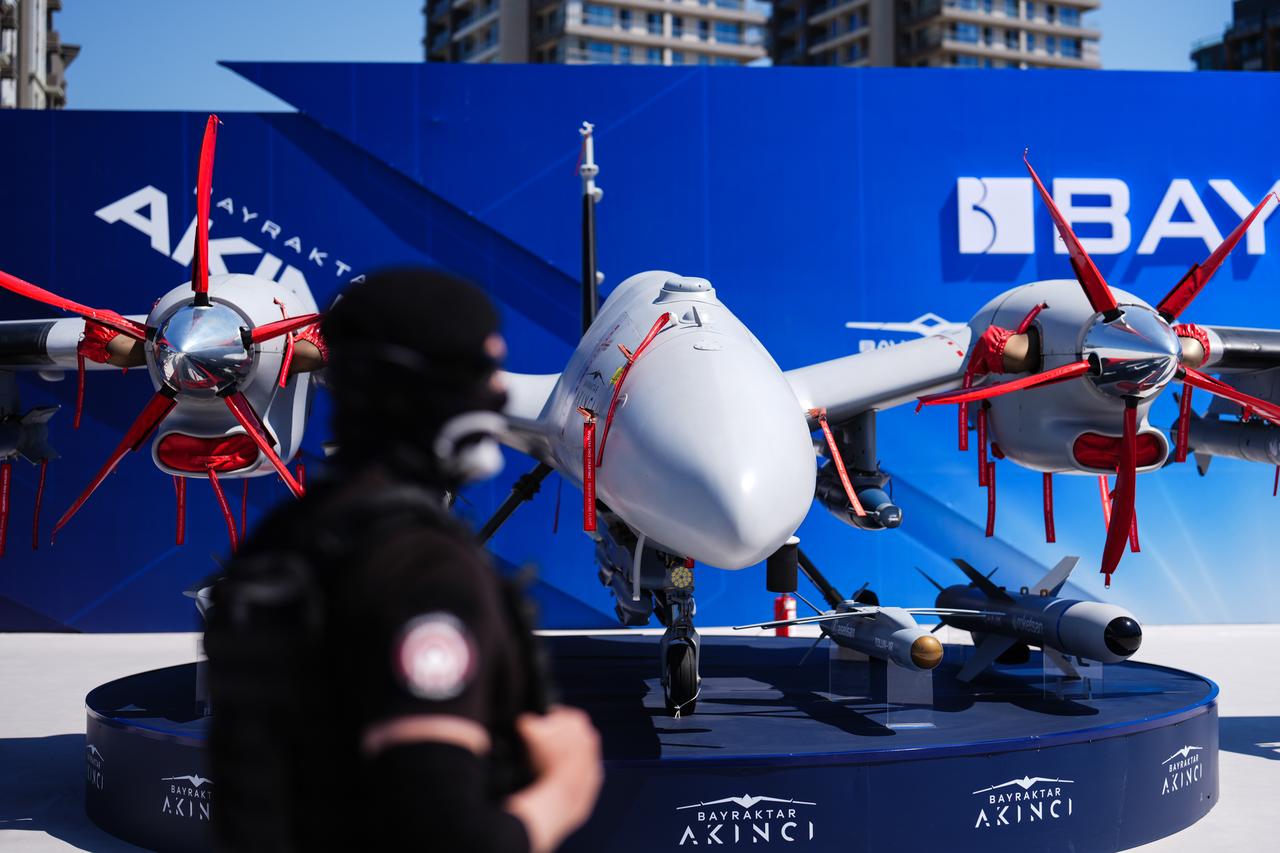
In this respect, Türkiye’s emergence has taken place at precisely the moment Europe has rediscovered the problem of rearmament.
Russia’s invasion of Ukraine has forced European governments to confront a reality they had long deferred. Stockpiles are too shallow, production lines too slow, air defense too thin, procurement too bureaucratic and industrial capacity limited.
NATO’s European members are now promising vast increases in defense spending. Yet the essential question is no longer whether Europe will spend more.
Of course, it will. The question is whether Europe will build more, build faster, and build differently.
On that question, Türkiye has something to teach the alliance. Mark Rutte, NATO’s Secretary General, said as much in Ankara in April, declaring that “Türkiye has gone through a defense industrial revolution” and urging allies to “continue to produce together, to innovate together, and to buy from each other.”
That is the core issue. Rearmament is an industrial, technological and political undertaking, rather than merely a budgetary exercise. Without output, spending targets are little more than statements of intent.
The first lesson is that money without strategic direction is insufficient. For too long, European defense debates have confused budgetary inputs with military outputs, taking spending on equipment as a measure of success.
Announcing a new spending target or budgetary allocation is different from producing ammunition, drones, air defense systems, electronic warfare capability or deployable formations.
Türkiye’s achievement lies in the fusion of defense spending with an industrial mission and political will. It knew what dependency had cost its interests and swiftly resolved the nation’s approach accordingly.
The second lesson is that procurement speed is itself a form of power. Many European systems are trapped in a culture of excessive consultation, delayed requirements, procedural caution and competitive anxiety.
Türkiye’s model, more centralized and less encumbered, cannot be directly copied by its Western European partners, but the contrast is nevertheless revealing.
Turkish industry has benefited from shorter feedback loops between battlefield experience, military demand and engineering adaptation. Ukraine has shown that this capacity to learn quickly is central to modern war.
The third lesson is that “good enough and available” can be strategically superior to “perfect and delayed." Türkiye’s rise in drones and other exportable systems has shown the power of affordable, adaptable platforms that can be delivered at scale.
Future deterrence will require high-end systems alongside attritional depth. NATO cannot afford to choose only the former, and Türkiye has mastered the balance of both.
The fourth lesson is that exports are a diplomatic infrastructure and a commercial activity. A country that buys Turkish drones, ships, missiles or armored vehicles also buys training, maintenance, software, spare parts and a continuing political relationship.
Defense exports align interests long after contracts are signed. Türkiye has used this dynamic with increasing sophistication. Its defense industry now strengthens its diplomacy, just as its diplomacy opens markets for its industry.
The fifth lesson is that industrial resilience requires an ecosystem rather than a handful of protected incumbents. Türkiye’s defense story extends well beyond the large firms.
It encompasses subcontractors, engineers, electronics companies, software developers, universities, and ambitious citizens. Europe’s rearmament will fail if it becomes merely a subsidy scheme for established primes.
Türkiye’s rise should therefore be understood on its own terms. It is becoming a defense power because it produces equipment that states want to buy, because it has reduced critical dependencies, because it has married national ambition to industrial policy, and because it has understood that military production is now one of the central currencies of geopolitical and security interests.
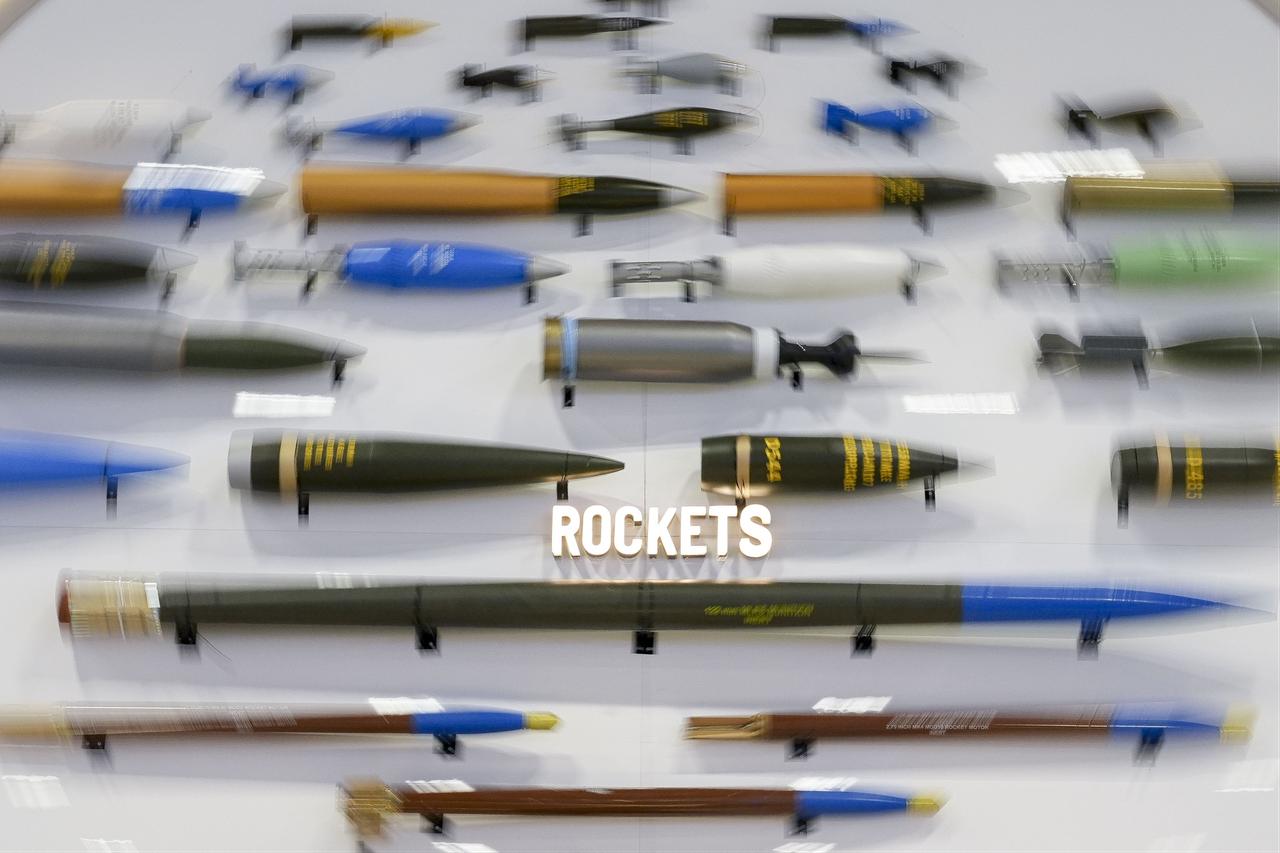
This has particular significance for NATO.
The alliance has spent much of the post-Cold War period assuming the United States would provide the industrial backbone of collective defense, while Europe would provide varying degrees of political support and niche, but highly effective, capabilities.
That settlement is now under pressure. American attention is divided, European security threats are multiplying, and Ukraine has exposed the inadequacy of Western production capacity.
In such a world, Türkiye’s defense base is no curiosity. It is an alliance asset, even if an awkward one for some capitals.
This complicates the European Union’s ambitions. Much of the conversation in Brussels about European defense still proceeds as though Europe’s security future can be organized predominantly through EU institutions.
That is plainly insufficient. The United Kingdom, Türkiye, Norway and Ukraine all sit outside the EU, yet each is indispensable to the future of Europe’s security architecture.
 1 min read
Türkiye’s ascendance is a reminder that European defense and EU defense are different projects. Any serious European security architecture must be NATO-centered, flexible and inclusive of non-EU military powers.
For Britain, this reality is especially important. The deepening U.K.–Türkiye relationship, including defense cooperation, trade, intelligence ties, and the broader strategic partnership between London and Ankara, reflects a wider post-Brexit truth.
Britain’s European security role will be exercised through NATO, bilateral relationships, and practical coalitions with states that matter. Türkiye is one of those states.
Türkiye has already crossed the threshold from dependent consumer to consequential producer. It is now building weapons and strategic options at the same time.
The sage response for policymakers across Türkiye’s allies is neither romanticism nor resentment. It is the mere request to study.
Türkiye’s experience demonstrates that defense industrial power is produced when threat perception, political will, procurement, engineering, private enterprise, export strategy and operational learning are forced into alignment under determined leadership.
Türkiye’s rise shows the difference. It has taken two decades of constraint and converted them into capacity. It has turned dependence into leverage.
It has transformed defense production into an instrument of national strategy.
That is why SAHA 2026 should matter well beyond Istanbul. The exhibition is a mirror held up to the rest of NATO.
And the reflection is uncomfortable: some allies have spent years debating strategic autonomy, while Türkiye has been building it.


 Set as preferred source
 Set as preferred source


 1 min read