Newsletters




The Tories and Whigs were the two political poles that dominated English politics from the late 17th century onward.
The Whigs championed parliamentary supremacy, constitutional monarchy, and commercial expansion, while the Tories followed a conservative line that supported the authority of the king, traditional order and the Church of England.
The names Tories and Whigs later became institutionalized, evolving into the modern-day Conservative and Liberal parties.
However, by the 20th century, the Liberal Party had lost popular support, while the Labour Party had significantly increased its vote share, particularly among the working class, becoming one of the country’s two dominant political forces.
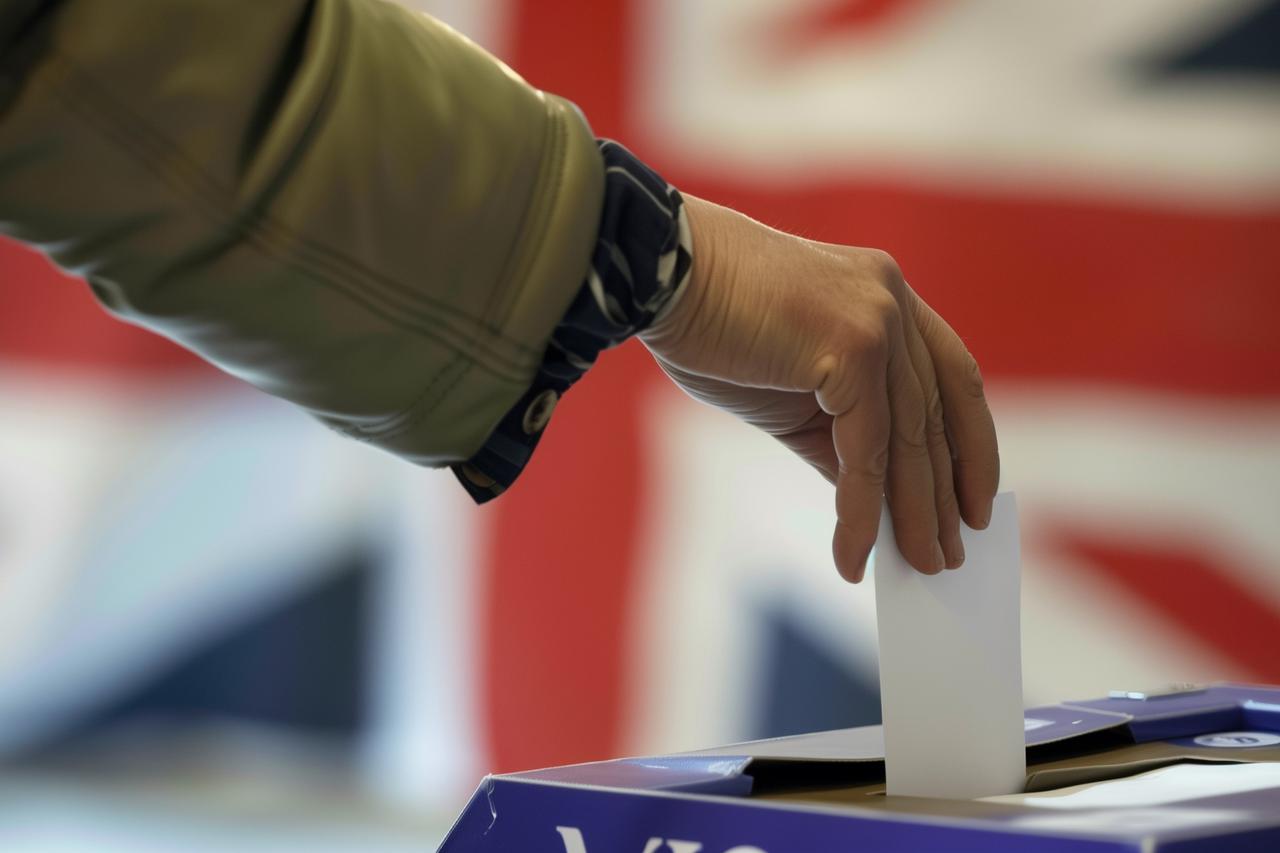
After nearly a century of British politics being shaped by these two major parties, the May 8 local elections may have marked the recognition of a third political force: the far-right Reform U.K. and its leader, Nigel Farage.
I am not going to walk away and plunge the country into chaos.
According to the initial results of the May 8 local elections, the first signs point to a radical shift in national politics.
The Labour Party, led by Keir Starmer, suffered heavy losses in industrial cities that had been considered its strongholds for decades.
While Labour lost hundreds of seats, the far-right Reform U.K. gained significant ground, emerging as a major force in national politics.
The most striking losses for the Labour Party came in industrial areas. In Tameside, Greater Manchester, Labour lost all 14 of its seats, surrendering control of the council for the first time in nearly 50 years.
The losses were not limited to large cities such as Manchester. Labor also lost the Westminster Council, which it had won in 2022 for the first time since the 1960s, back to the Conservatives.
Furthermore, losing all 20 seats in Wigan, a former mining town, and losing 8 seats in Wandsworth, thereby losing its majority, turned election night into a disaster for Labour.
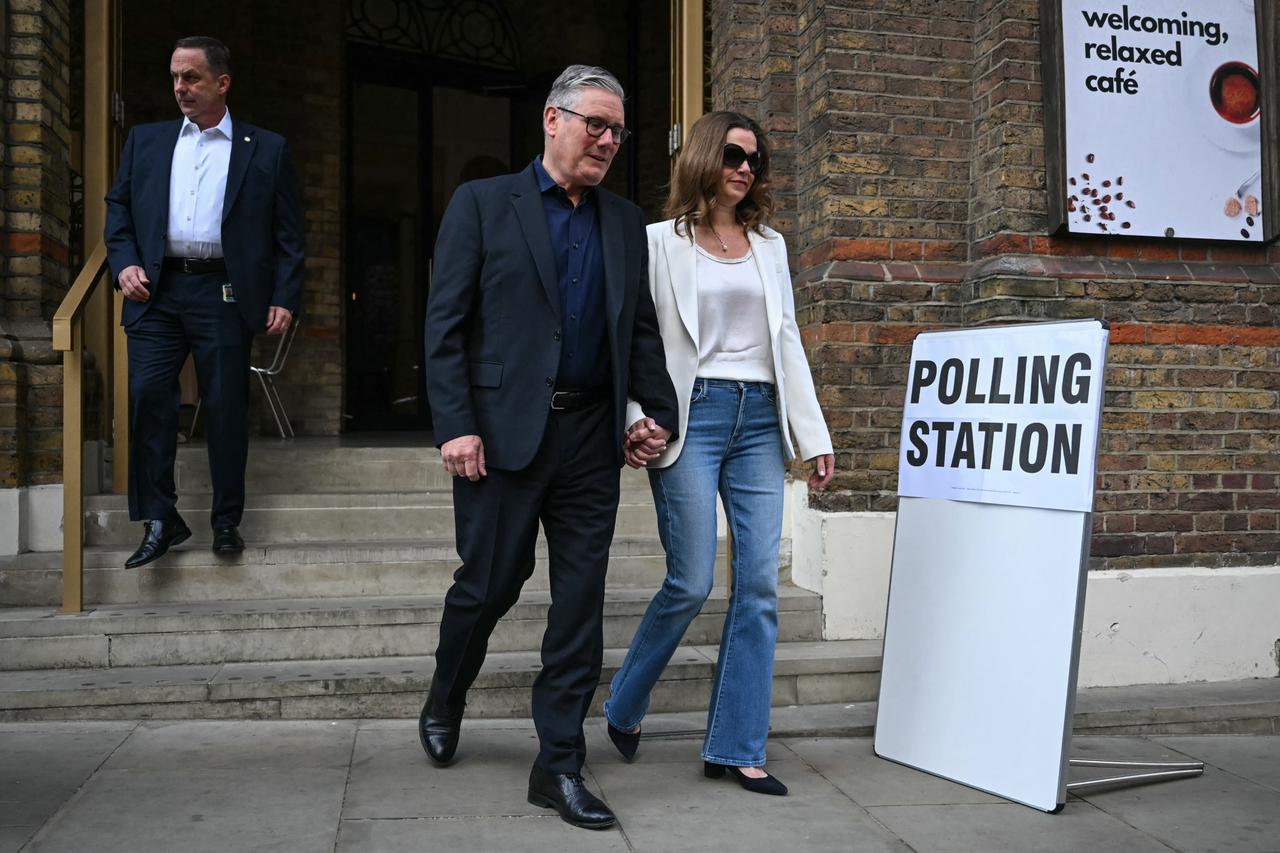
Keir Starmer, who faced increasing pressure to resign ahead of the local elections, acknowledged the defeat but signaled that he had no intention of stepping down, stating: “I am not going to walk away and plunge the country into chaos.”

One of the biggest reasons Starmer lost support in less than two years was the appointment of Peter Mandelson as Ambassador to Washington, following the resurfacing of his name in connection with the Epstein Files.
Mandelson’s past relationship with Jeffrey Epstein re-entered public debate, and his appointment by Starmer in December 2024 damaged the image of “clean and serious politics” that Starmer had sought to cultivate.
Allegations that contact between the two had continued even after Epstein’s conviction triggered significant public backlash.
The crisis deepened when Starmer initially defended Mandelson.
Later, as allegations emerged that warnings regarding security and reputational risks had been ignored, the issue evolved beyond a diplomatic appointment and became a broader debate about leadership and political judgment.
Starmer’s subsequent claims that he had not received sufficient intelligence briefings, along with the resignation of his close advisor Morgan McSweeney, further weakened public confidence.
Starmer, who had risen to prominence as an “honest technocrat” while in opposition and won the election on that image, suddenly began to appear as part of Westminster’s old elite political culture.
Immigration and related policies in the U.K. have remained an unresolved issue in domestic politics for many years.
The U.K., which voted for Brexit partly under the promise of “taking back control” of its borders, has nevertheless continued to rely on immigration from Africa and the Middle East to address persistent labor shortages across multiple sectors.
Regarding immigration policy, Prime Minister Keir Starmer has recently adopted tougher rhetoric. He has pursued a stricter approach toward boats crossing the English Channel and broader border security measures.
However, the challenge for Starmer is that right-wing voters do not view him as credible on immigration, while many left-wing voters accuse him of distancing the Labour Party from its traditional values.
One of the main reasons for public skepticism toward Starmer is his earlier reaction to the Rwanda Plan introduced during the era of Rishi Sunak.
The plan, which proposed sending asylum seekers arriving via small boats across the English Channel to Rwanda, was repeatedly described by Starmer as a “gimmick,” an “expensive gimmick,” and “dead and buried.”
However, after experiencing electoral losses, Starmer himself began adopting harsher rhetoric toward migrants arriving through the English Channel.
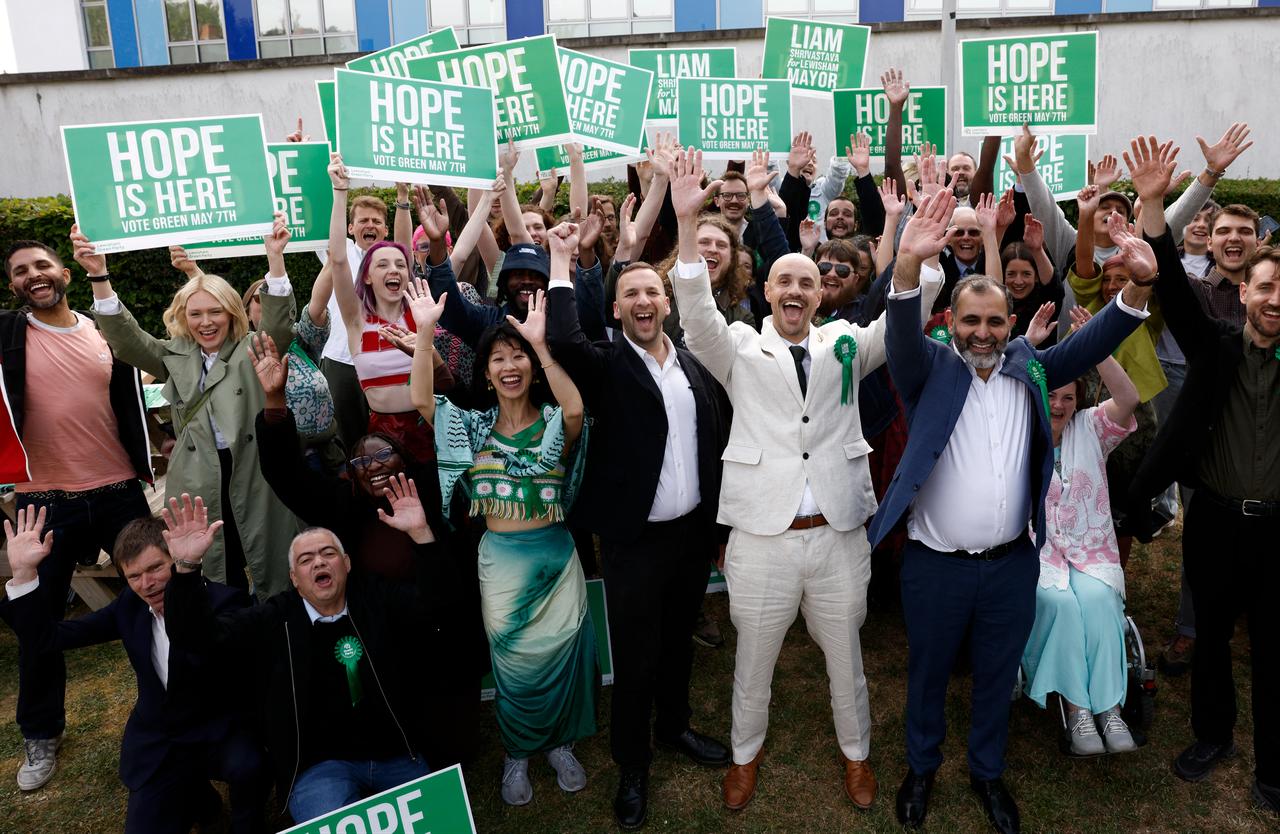
Over the past few years, Reform U.K. has been on an undeniable rise. However, following the May 8 elections, it can now be seen not merely as a rising party but as one of the strongest contenders for power.
Nigel Farage was considered a marginal figure in British politics for many years.
However, his consistent rhetoric on issues such as immigration, national sovereignty, and opposition to the European Union—particularly amid the growing popularity of the far right across Europe—transformed him into one of the strongest representatives of the anti-establishment electorate.
The Brexit referendum marked a major turning point for Farage. By pushing the Conservative Party toward a hardline anti-European position, he ultimately played a central role in leading the U.K. out of the EU.
This earned him the image of a “politician who was right.”
In recent years, the rising cost of living, irregular immigration, and growing dissatisfaction with Westminster politics have fueled Farage’s resurgence.
Using particularly harsh rhetoric against irregular migrants arriving via the English Channel, Farage accused both the Conservatives and Labour under Keir Starmer of failure.
He has positioned himself as “the only real alternative outside the system.” As distrust toward traditional parties grows, protest votes are increasingly consolidating around him.
The May 8 elections may mark the beginning of a new political era in the UK. The Conservative and Labour parties, which have dominated British politics for nearly a century, now appear to have accepted the presence of a third major political force.
Looking at Keir Starmer’s political trajectory, it can be argued that he rebuilt the Labour Party from the ground up after years of electoral defeats, particularly against the Conservatives.
However, in less than two years, he appears to be gradually losing much of what he built.
The U.K. has changed prime ministers four times in the past four years.
While Starmer insists that he will not “plunge the country into chaos,” how long he can maintain his position remains an open question.


 Set as preferred source
 Set as preferred source


 1 min read

 1 min read