Newsletters


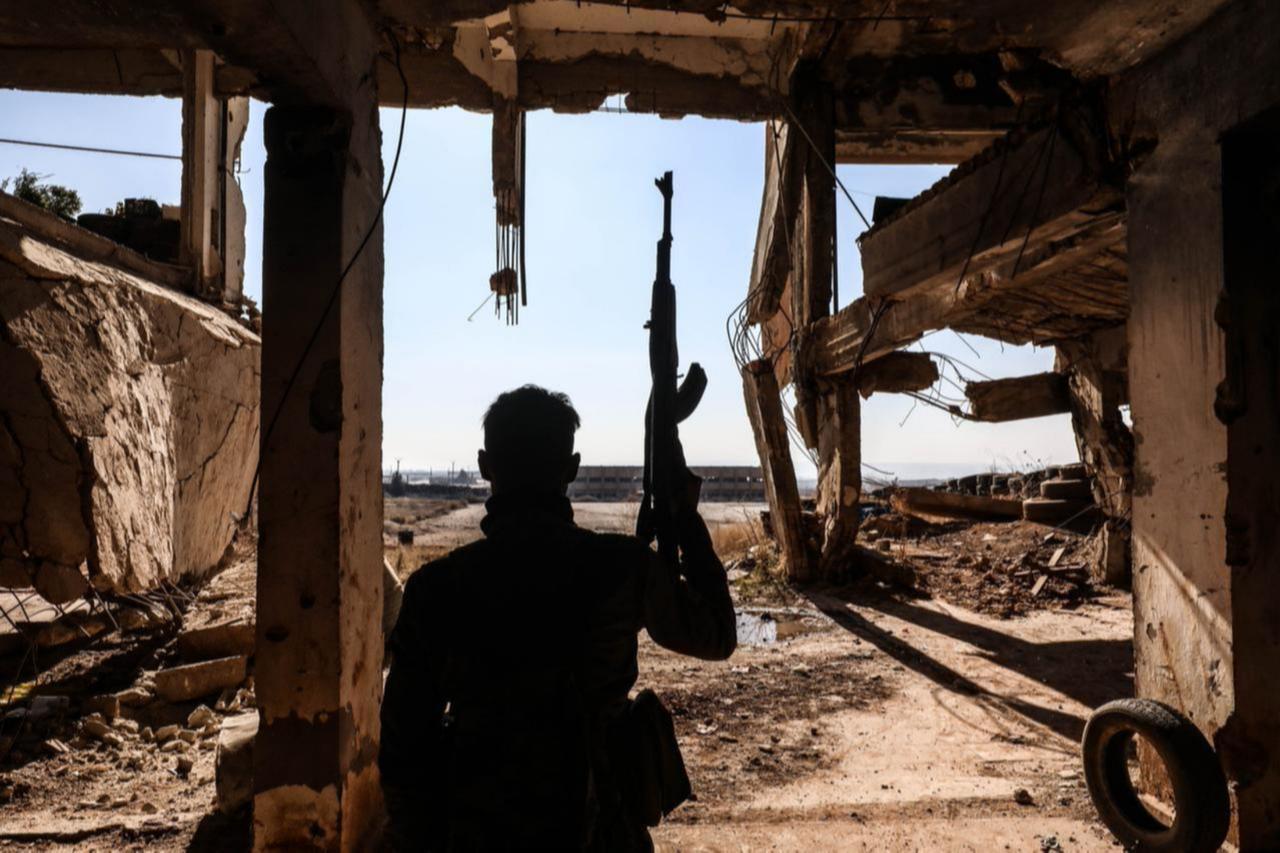


A trivial incident in the governorate of Idlib served as a blunt reminder of the Herculean task still facing Syria: dealing with foreign fighters.
When an Uzbek fighter refused to integrate into the Syrian army, the resulting skirmishes and the following arrests of compatriots by the Syrian government highlighted a volatile reality.
While Damascus has made substantial progress, these pockets of resistance prove that the shadow of foreign militancy is far from eclipsed.
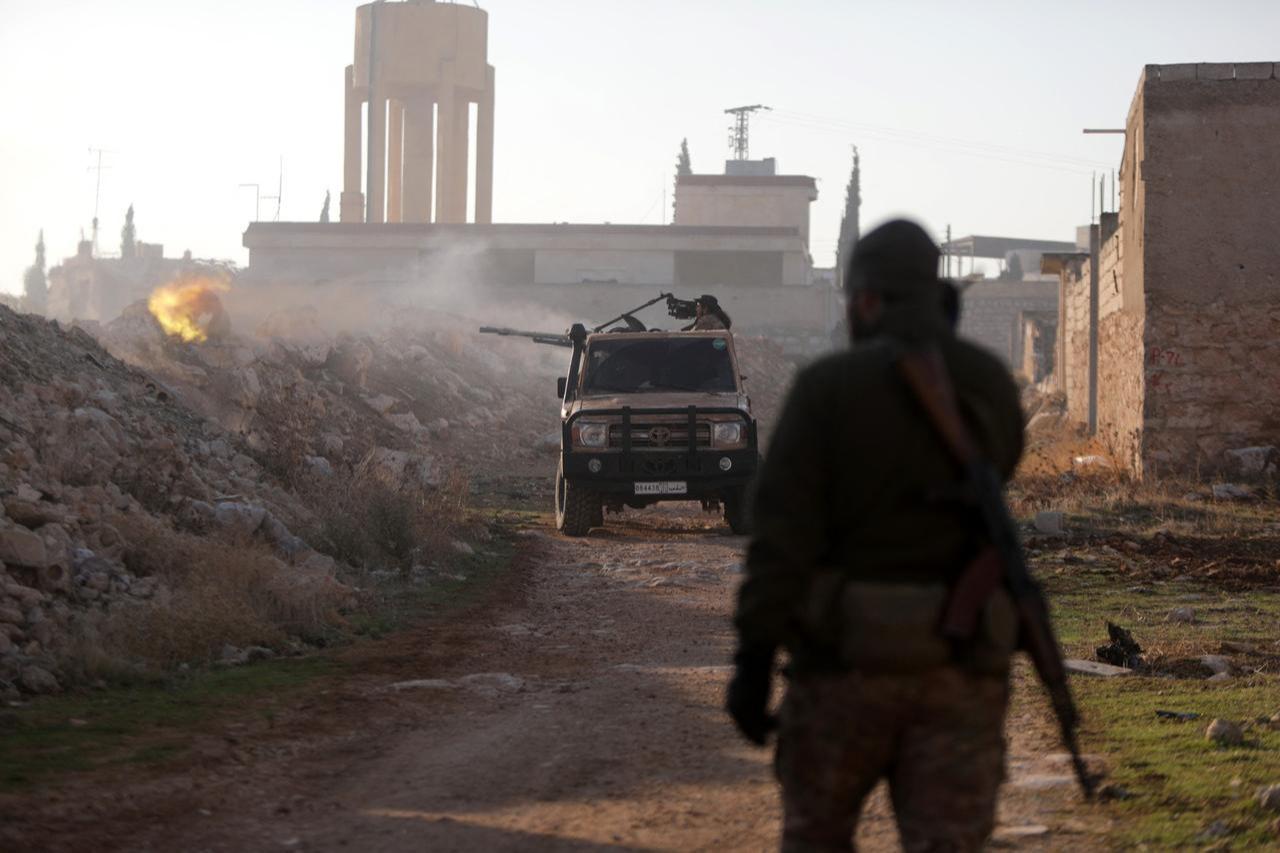

The incident began with a trivial dispute between the foreign Uzbek fighter and local residents. In an attempt to resolve the matter through official channels, Syrian authorities summoned the fighter to a local police station to provide a formal statement.
When the fighter refused to comply, Syrian security forces moved to arrest him. This standard enforcement action was immediately met with a digital counter-offensive: Uzbek Telegram channels began circulating unrelated, archival images, framing them as current evidence of his mistreatment.
The fake videos resulted in a heightening of emotions and Uzbek fighters gathered in front of the police station, demanding the release of their fellow kinsmen.
Local authorities tried to de-escalate the situation through the mediation of religious Sheikhs—a traditional mechanism that has proven highly effective in Idlib over the past several years. This time, however, the diplomatic channel failed and the Uzbek fighters rejected the mediation efforts.
The rejection of mediation sparked a wave of violent clashes. After a round of sharp skirmishes, Syrian security forces arrested the Uzbek fighters involved.
Events in Idlib reveal two harsh realities. The first is Syria’s ongoing vulnerability to fake news, with Telegram channels once again acting as a catalyst for actual violence. The second is the unresolved fate of foreign fighters and deep-seated skepticism toward Damascus.
The vast majority of foreign fighters have joined the Syrian army or other governmental positions. They have been integrated into the Syrian state. So far, they have proved to be very loyal and haven’t caused any trouble
Nevertheless, a portion of foreign fighters remains outside the state’s fold, either refusing to enlist or barred from service by international sanctions and blacklists. With each passing day, these sidelined foreign fighters grow increasingly alienated, their mistrust deepening toward figures like Ahmad al-Sharaa.
Therefore, it is no coincidence that the initial Uzbek fighter refused to report to the police station, nor is it a surprise that other Uzbek fighters were so quick to believe the disinformation.


 Set as preferred source
 Set as preferred source


 1 min read
 1 min read