Newsletters


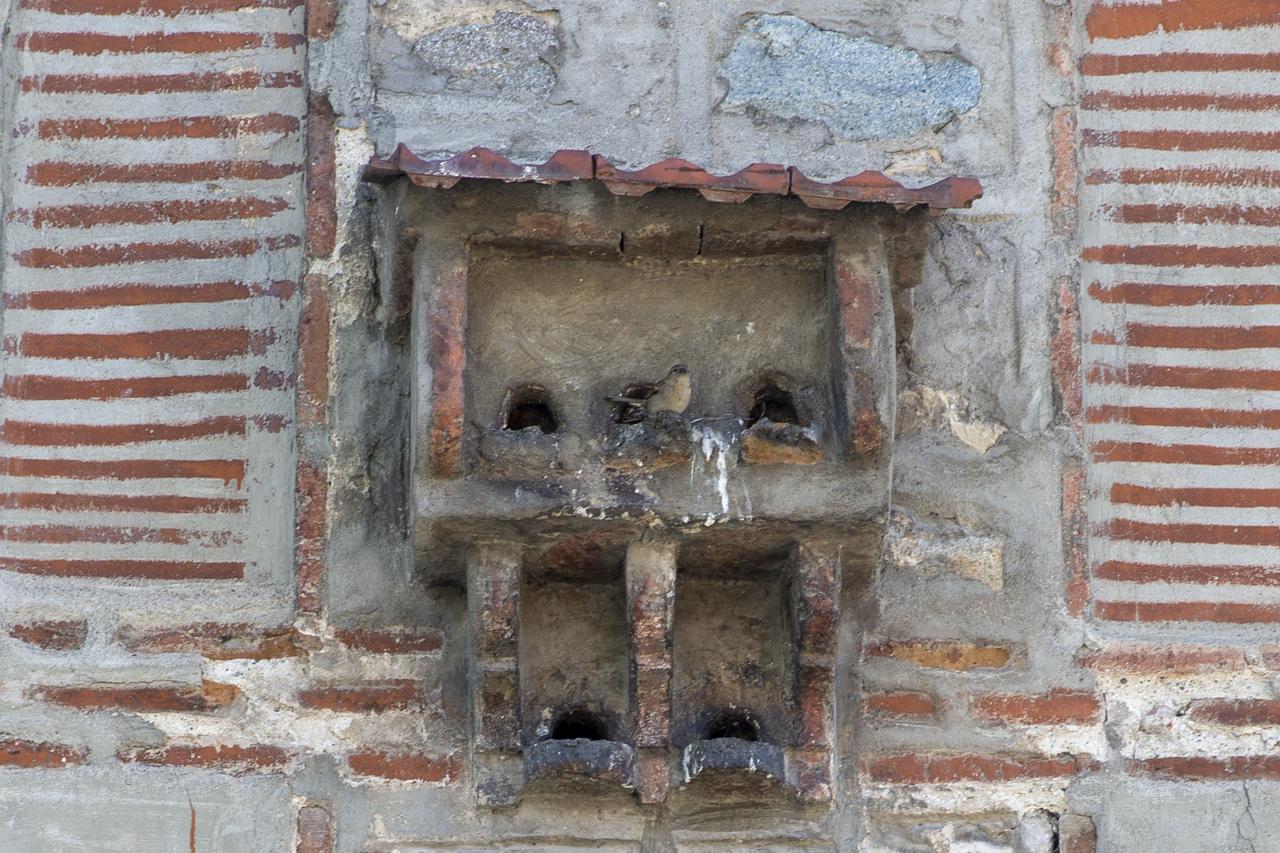


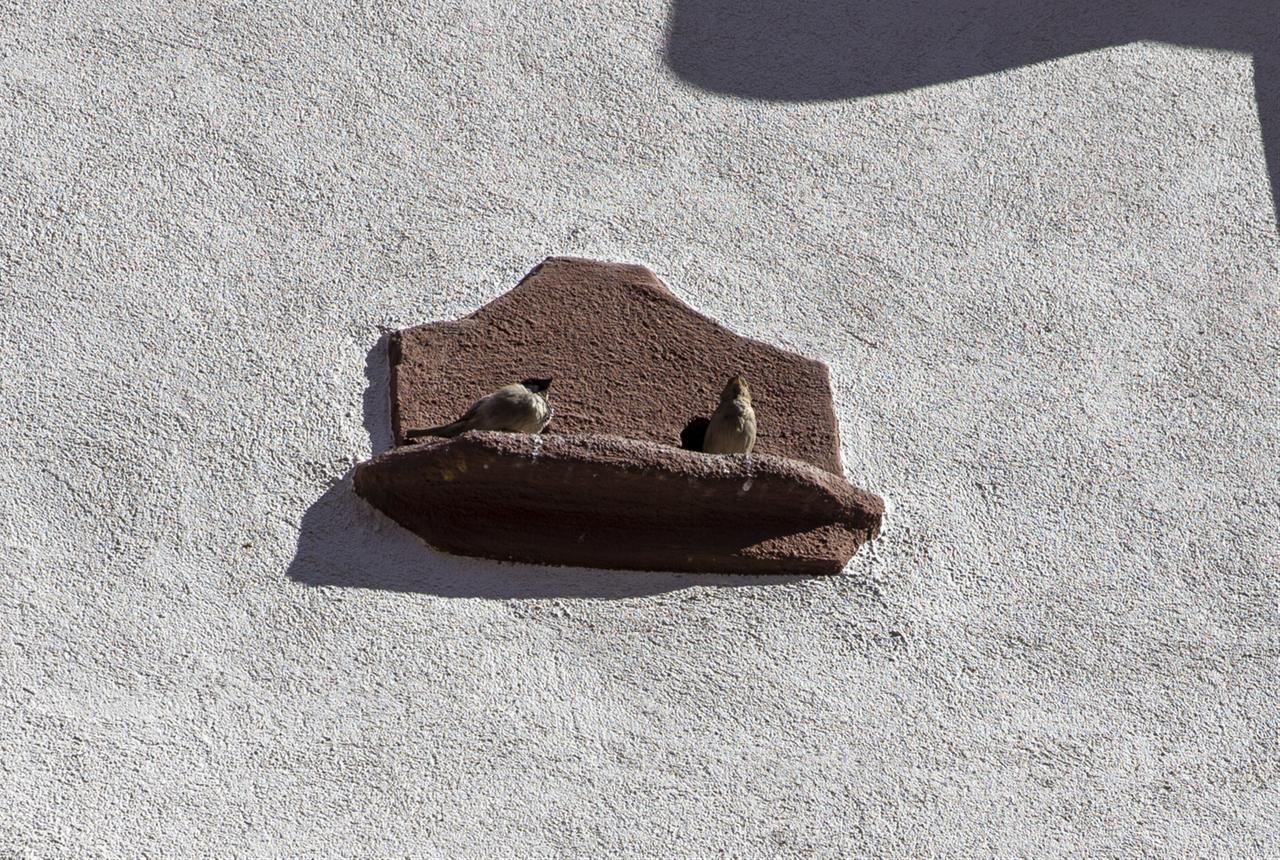
Birdhouses built into historic structures in Bolu, northern Türkiye, continue to serve as shelters for birds while reflecting a long-standing tradition of compassion embedded in Ottoman architecture, according to local experts.
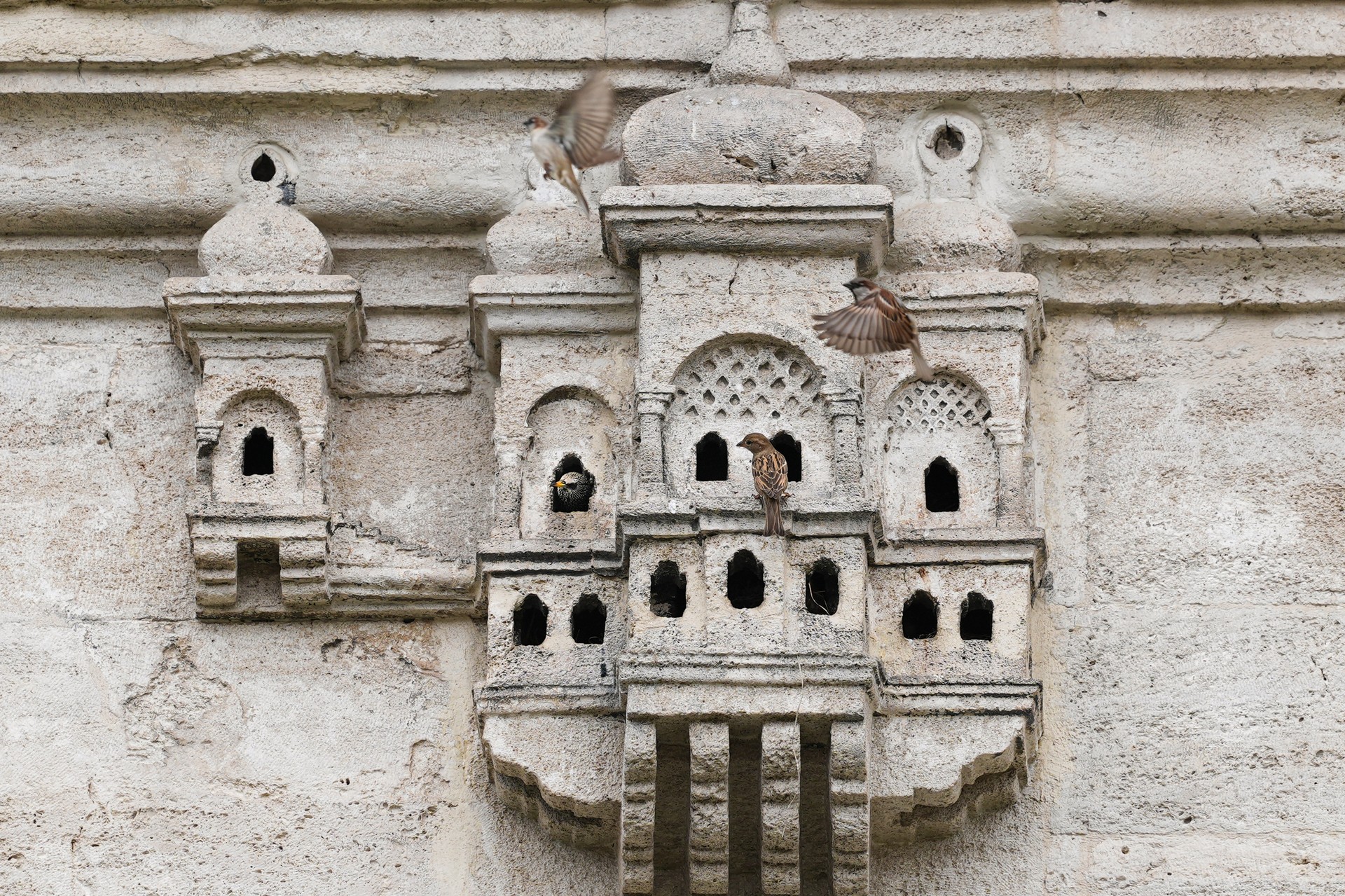
Often referred to as “bird palaces,” these miniature architectural features were constructed on the արտաքին walls of buildings to provide safe nesting spaces.
At the same time, they carried symbolic value, representing the Ottoman approach to integrating care for animals into daily life and urban design.
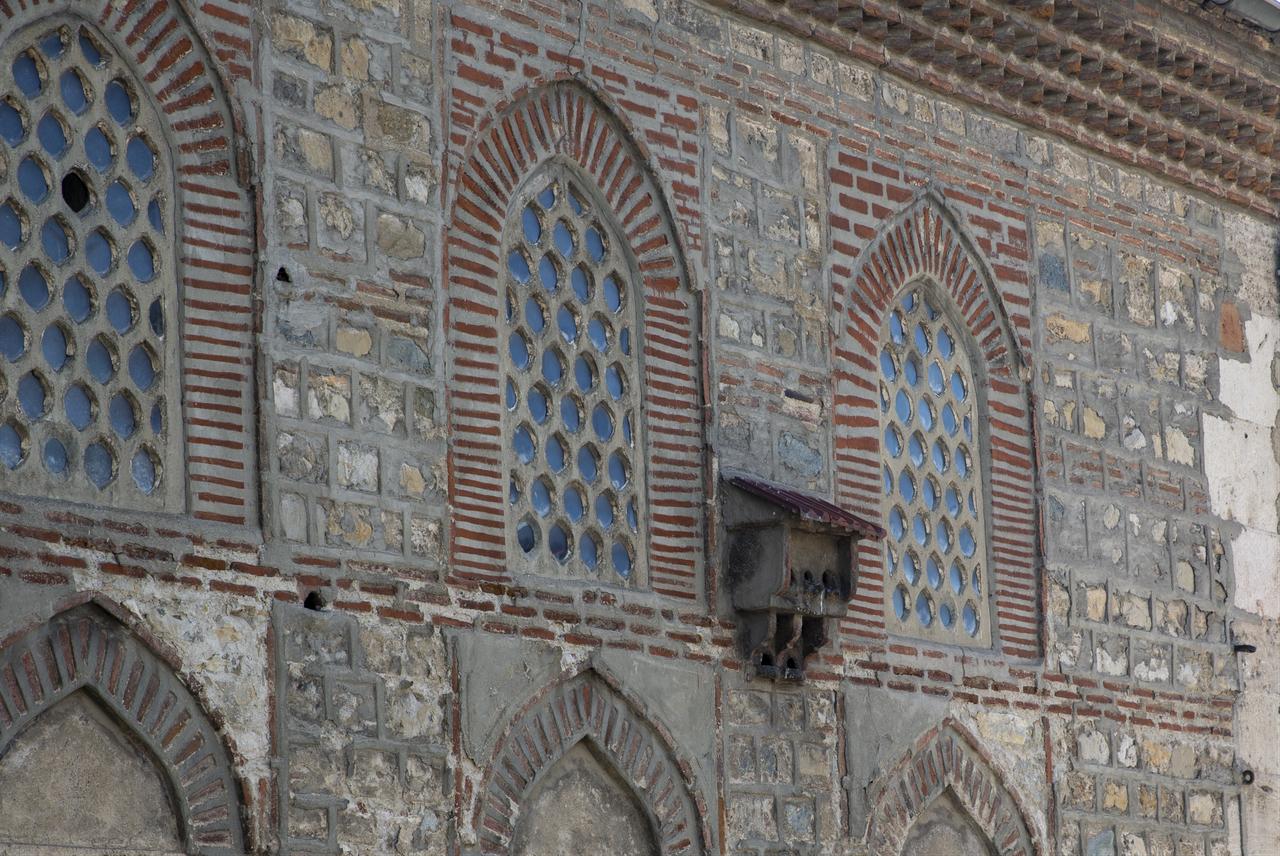
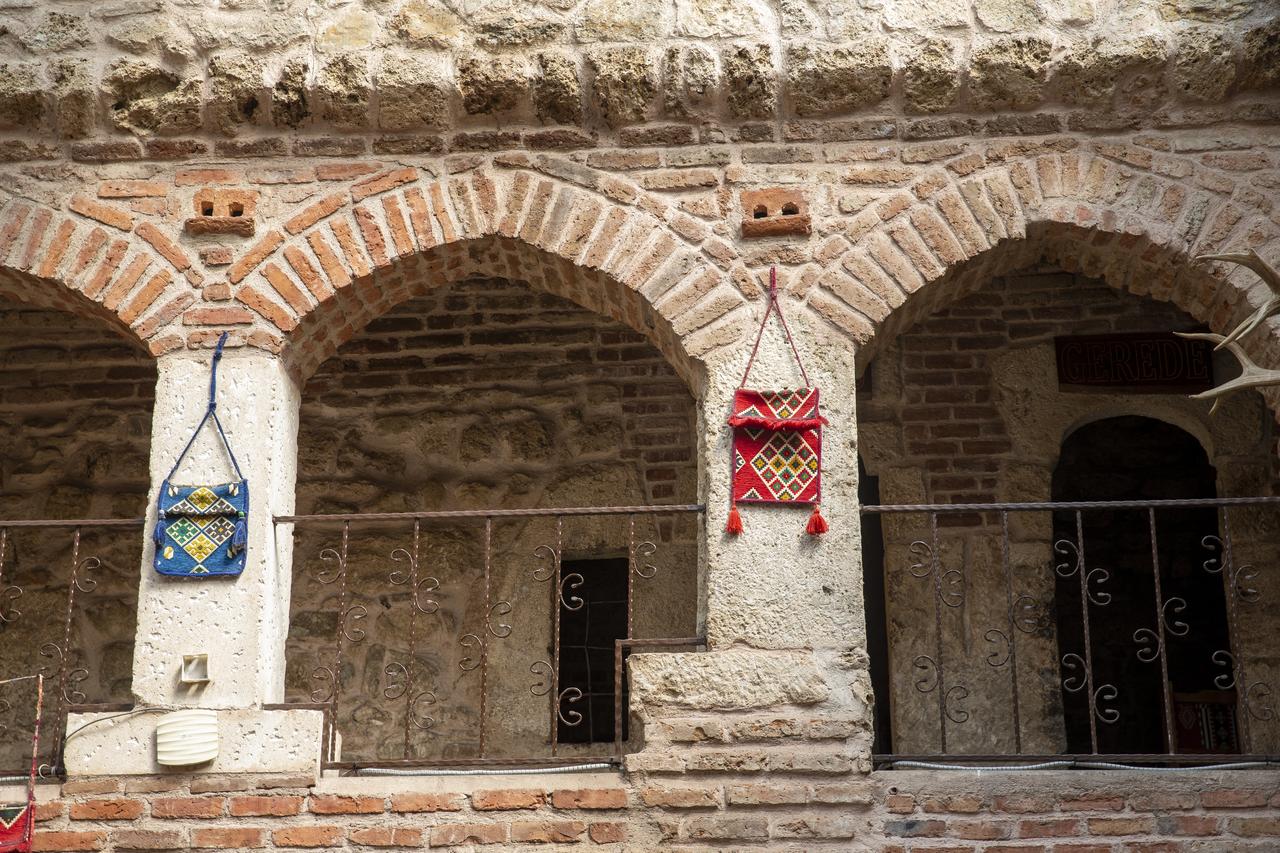
Examples of these birdhouses remain visible across the city, particularly on historic sites such as Sarachane Mosque, Yukari Tashan, Asagi Tashan, Karamanli Mosque, Aktas Mosque and Somuncu Mosque, where they continue to function as “nests” centuries after their construction.

Mehmet Sume, a faculty member at Bolu Abant Izzet Baysal University, explained that these structures were not merely decorative.
He pointed out that birdhouses were carefully positioned on sunlit, sheltered sections of buildings, away from wind and rain, ensuring suitable living conditions for birds.
He also noted that builders used the same materials as the main structure, allowing the birdhouses to blend seamlessly into the architecture.
In some cases, particularly in larger Ottoman cities, these features were so elaborate that they resembled miniature palaces.
Sume underlined that the presence of birdhouses is rooted in both historical and religious traditions.
He explained that Turkic communities had long valued animals, even before the adoption of Islam, with birds such as eagles, hawks and falcons serving as symbols among Oghuz tribes.
With the spread of Islam, compassion toward animals became more strongly emphasized as a moral value. Sume highlighted that the practices of Prophet Muhammad (pbuh) were taken as a model, and care for animals came to be viewed as part of a religious duty.
He added that this approach was widely adopted across Turkic-Islamic states, reaching a peak during the Ottoman period.
Sume stressed that these structures should be preserved carefully, warning that restoration work must remain faithful to their original form and be carried out by qualified experts.
He emphasized that birdhouses not only provide safe habitats for birds but also reflect the refined aesthetic of Ottoman architecture on a smaller scale.
He further pointed out their educational value, noting that they can help pass on awareness of animal care to younger generations.
In this context, he suggested that teachers and guides include these structures in city tours to highlight their significance.
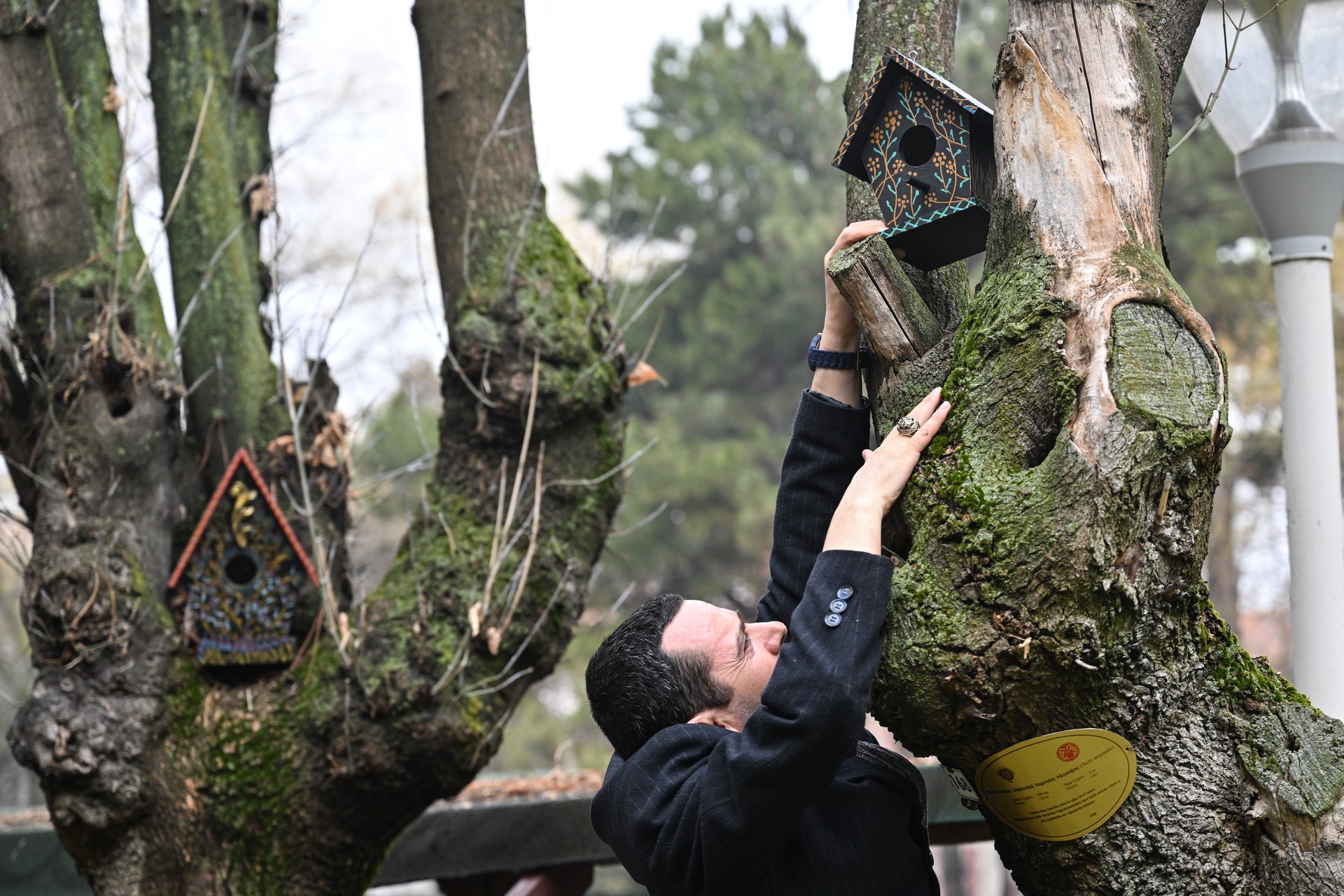
Looking ahead, Sume suggested that the concept could be revived in contemporary settings.
“Osmanli reflected compassion in architecture through birdhouses,” he stated, adding that similar features could be reintroduced, particularly in detached houses and villas, as a way to reconnect with this tradition.


 Set as preferred source
 Set as preferred source


 1 min read
 1 min read