Newsletters




A farmer from Kastamonu has sent siyez wheat products to Italy after research showed remains of the ancient grain were found in the stomach of the Iceman Otzi.
The 5,300-year-old mummy is preserved at the South Tyrol Archaeology Museum in Bolzano.
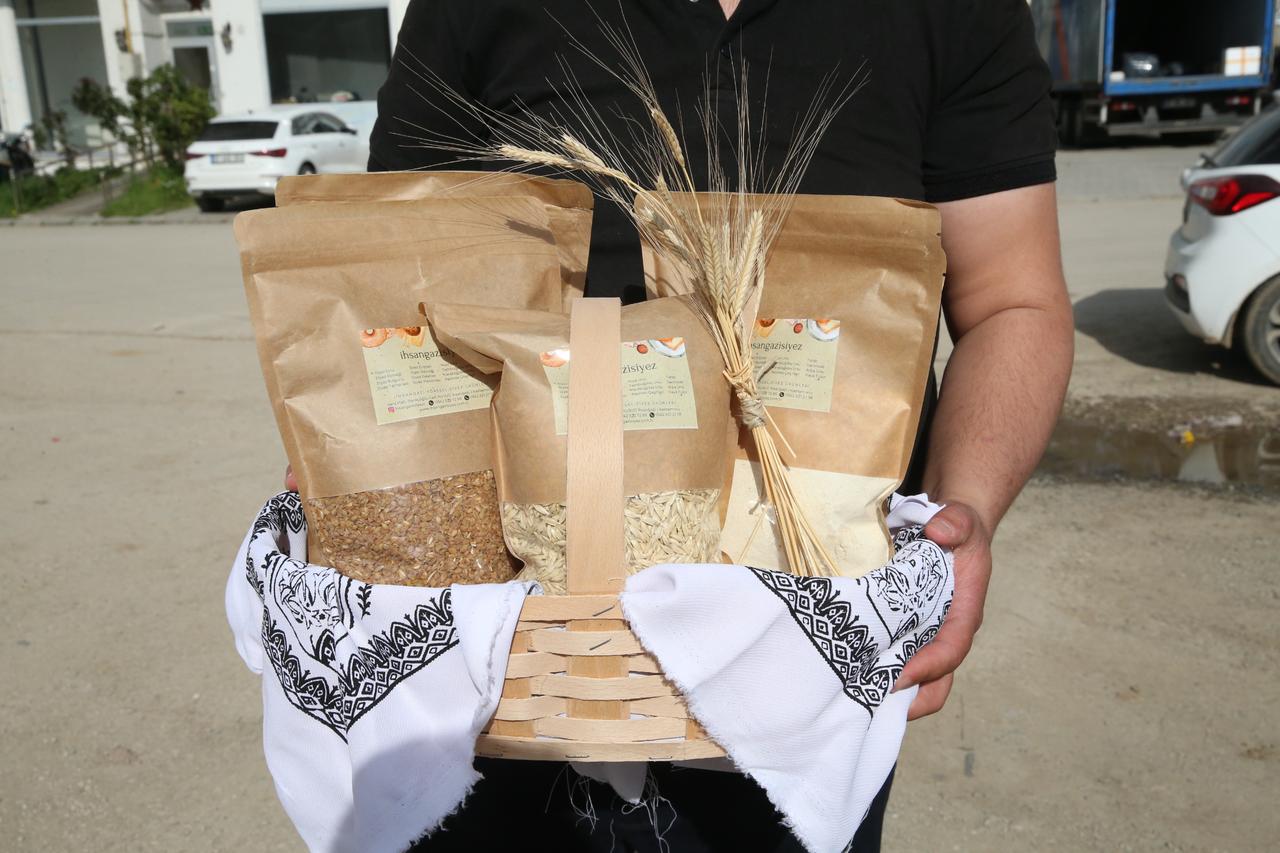
Yasin Cigerci, a young farmer from Ihsangazi district, shipped products made from siyez wheat to the Italian Embassy in Ankara, saying he wanted them to be displayed beside Otzi’s mummy as a reference to one of the foods linked to the Copper Age man’s final meals.
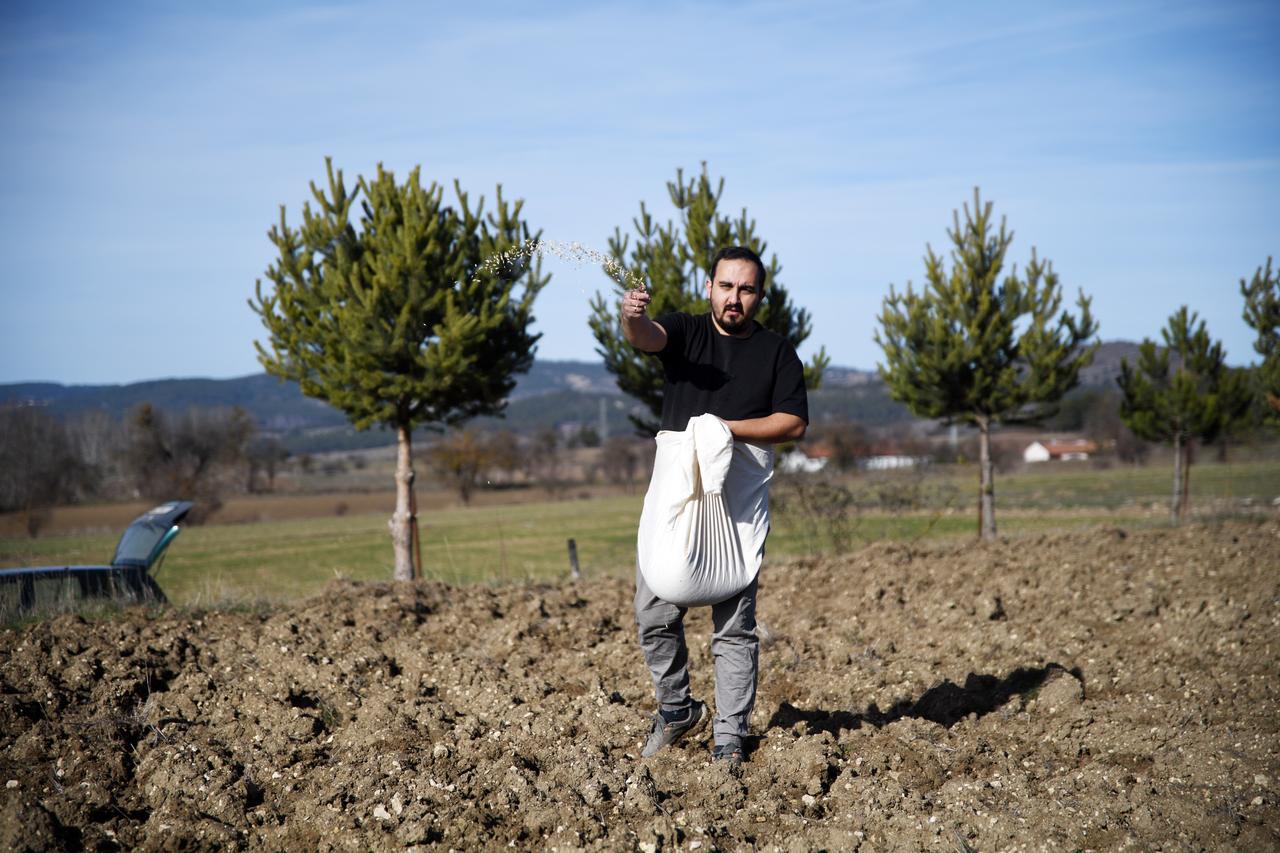

Siyez, known internationally as einkorn, is an early form of wheat that is widely grown in Kastamonu’s Ihsangazi district.
According to Professor Mehmet Cengiz Baloglu of Kastamonu University, remains of einkorn were identified in Otzi’s stomach along with goat and deer meat.
Baloglu said Otzi was found in 1991 in the Otztal Alps on the Austria-Italy border, where ice helped preserve his body and even the food in his stomach. He noted that this allowed researchers to identify different food sources linked to the Copper Age man.
Cigerci said he came across Otzi while researching siyez wheat and decided to send products made from the grain after learning about its connection to the mummy.
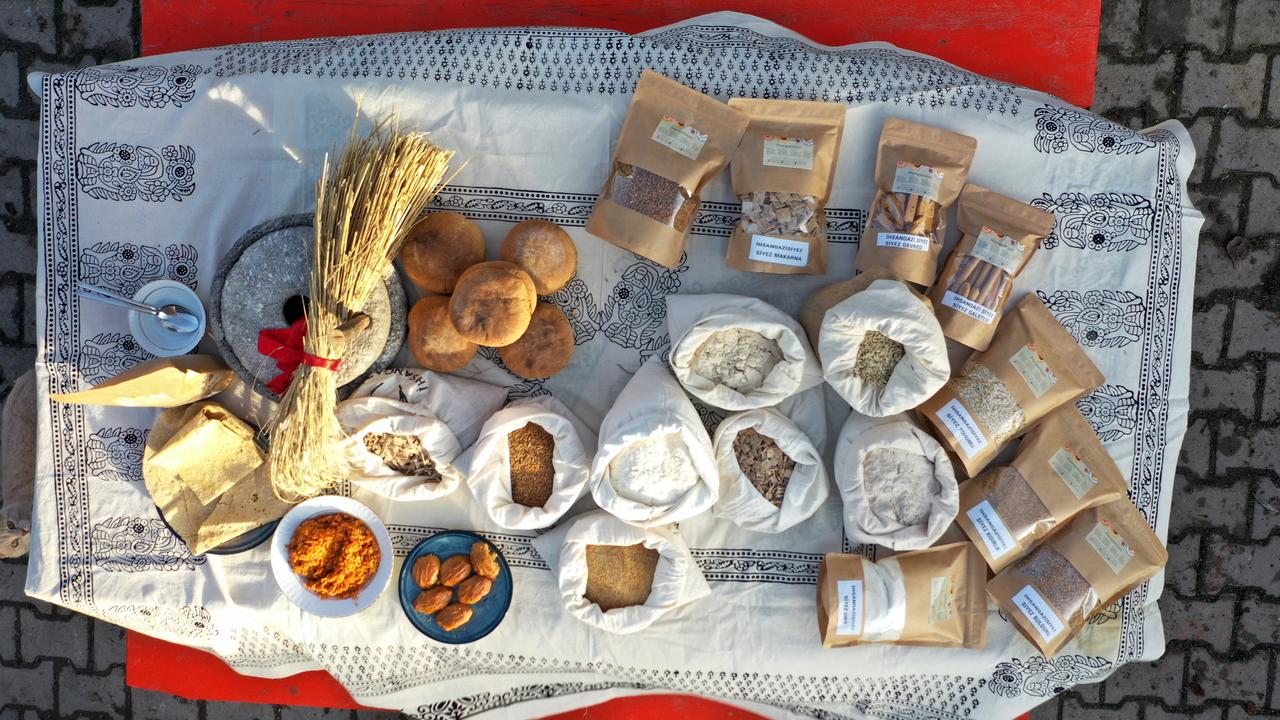
The parcel included siyez flour, bulgur, noodles, pasta, bread, tarhana and galeta. He said he also added a note asking for the products to be considered for display beside Otzi.
“Research showed that one of Otzi’s last meals was siyez.
I decided to send siyez products to the Italian Embassy in Ankara with a note so that products made from his last meal could be displayed next to him,” Cigerci said.
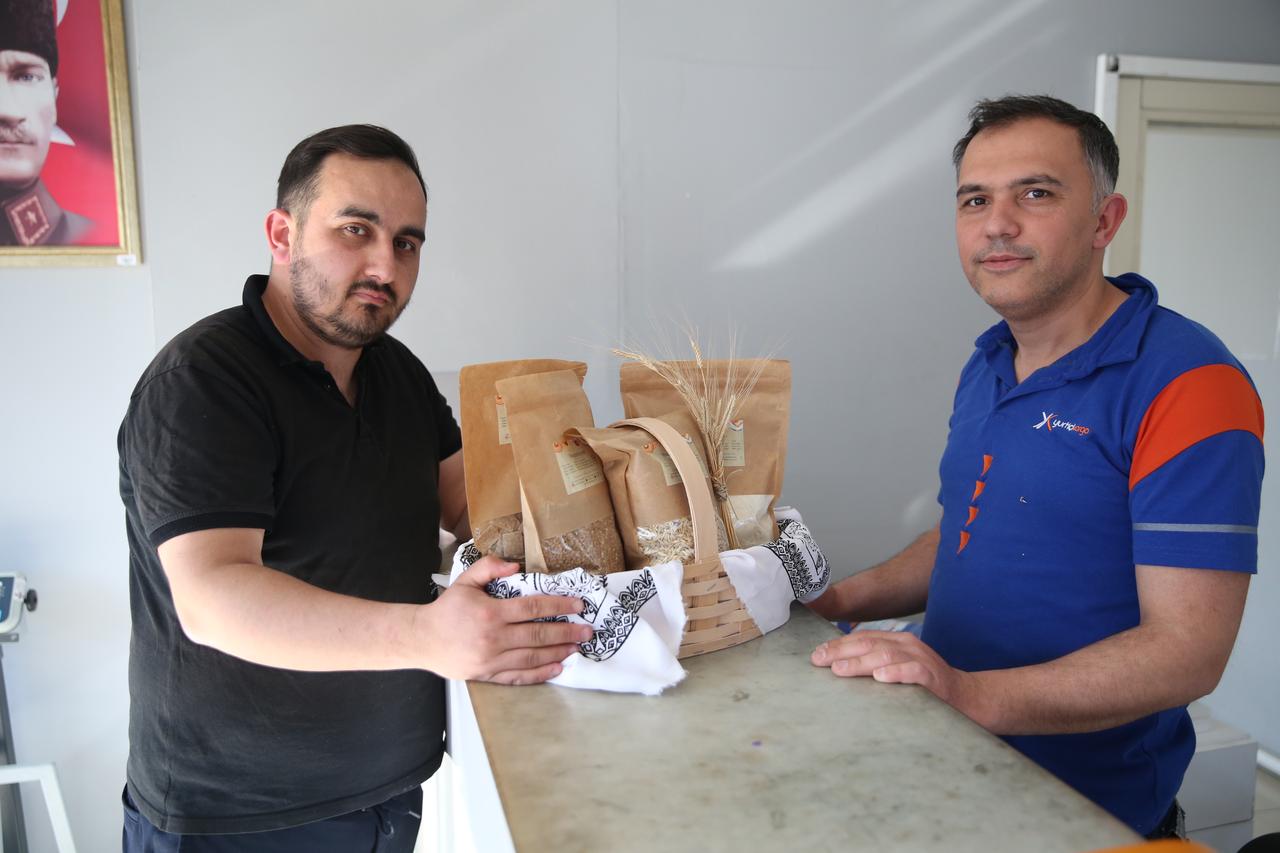
Cigerci said he returned to Ihsangazi after university to grow siyez, describing it as an ancestral seed. He later set up a flour mill with his father to add value to the crop and expand production into different foods.
Baloglu said siyez had remained genetically preserved partly because it was long used as animal feed in Kastamonu and was not subjected to intensive breeding work.
According to Baloglu, the discovery of einkorn remains in Otzi’s stomach also shows that the grain had spread across a wide geography beyond Anatolia.


 Set as preferred source
 Set as preferred source


 1 min read