Newsletters


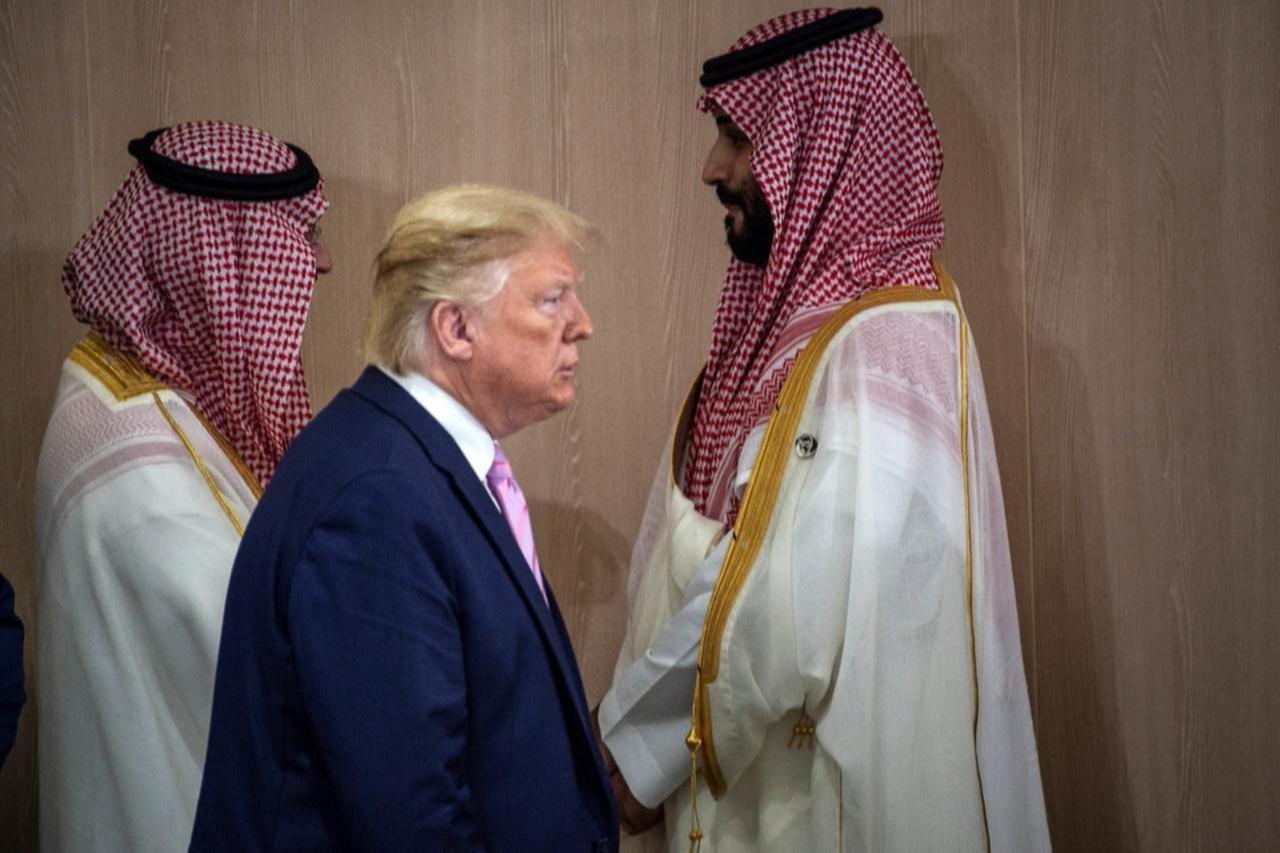


Somewhere between Trump posting "Project Freedom" to social media on a Sunday afternoon and his national security team spending Tuesday cheerfully briefing Pentagon reporters on its operational brilliance, someone forgot to ask Riyadh.
That oversight proved terminal.
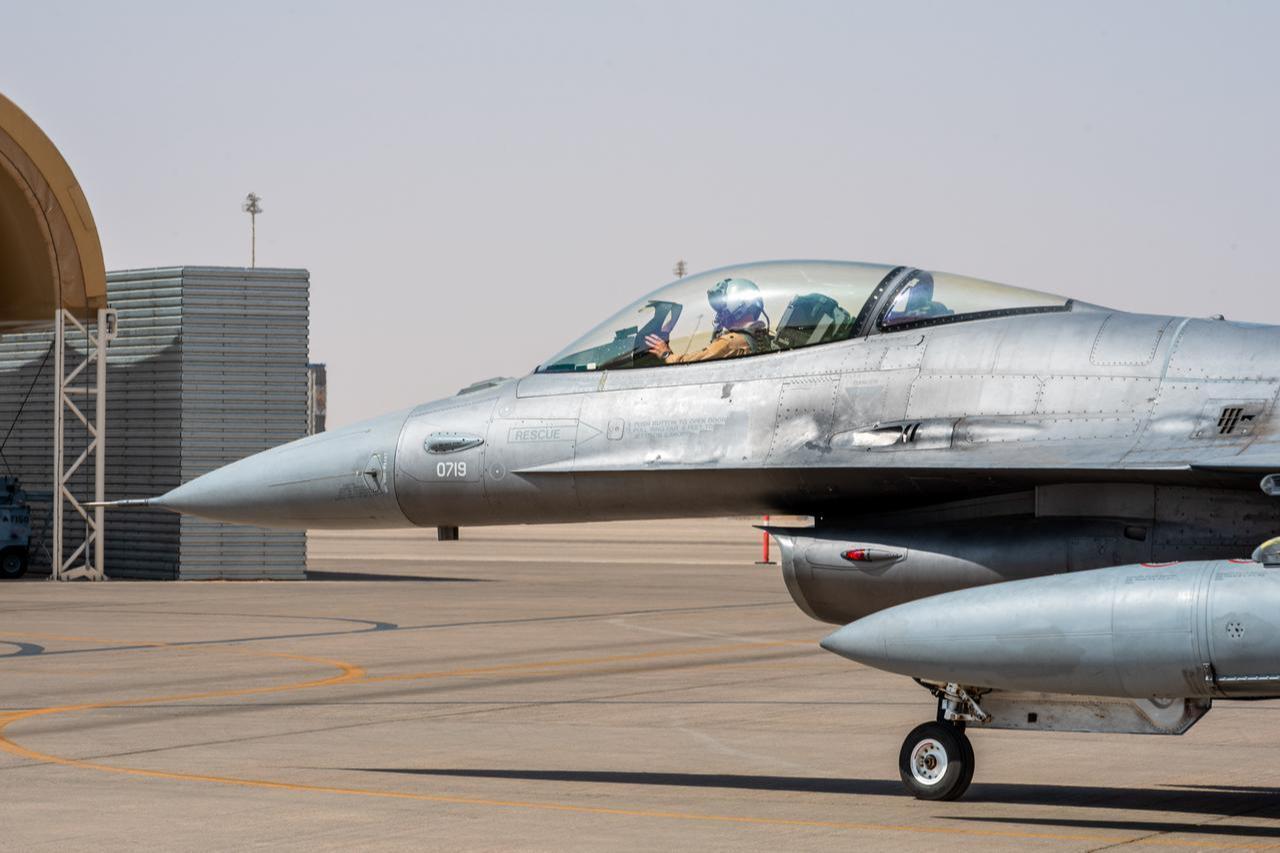
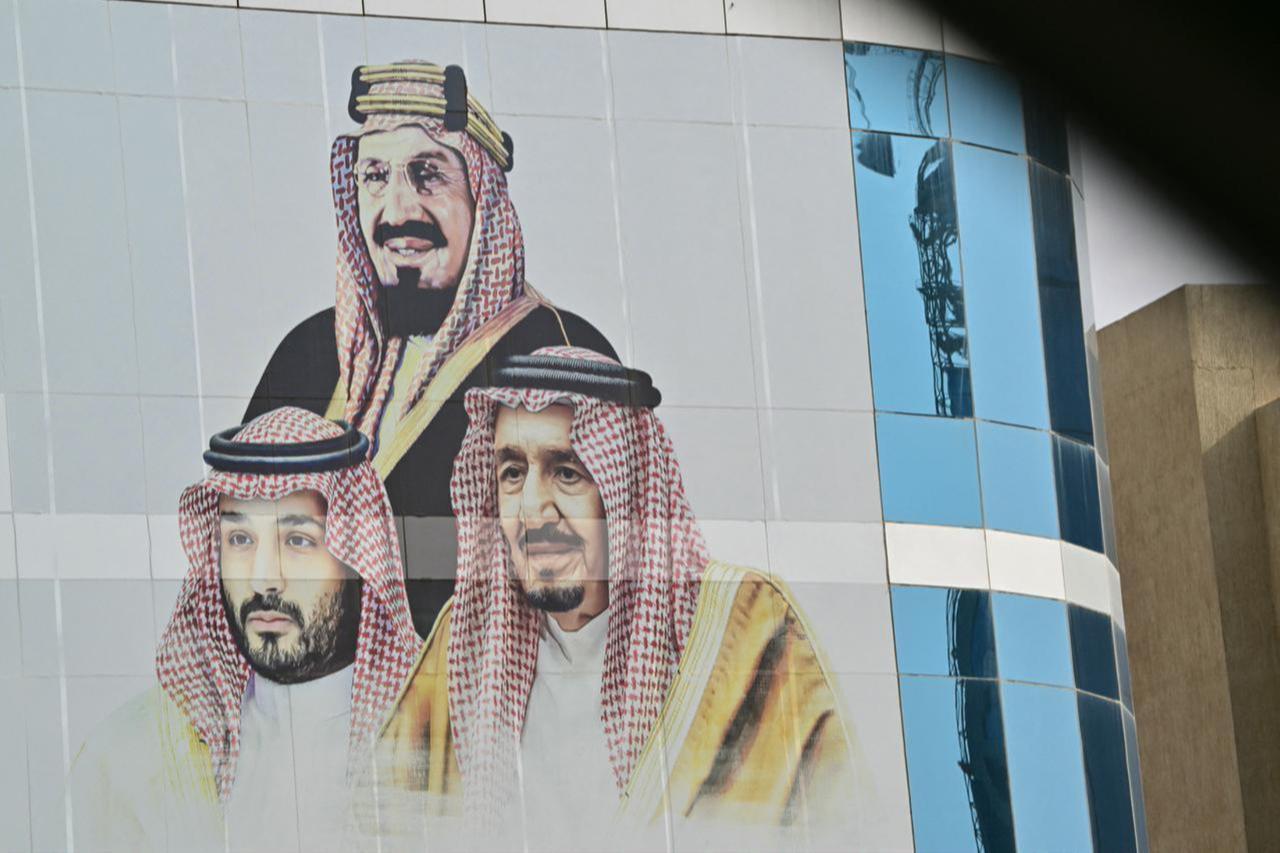
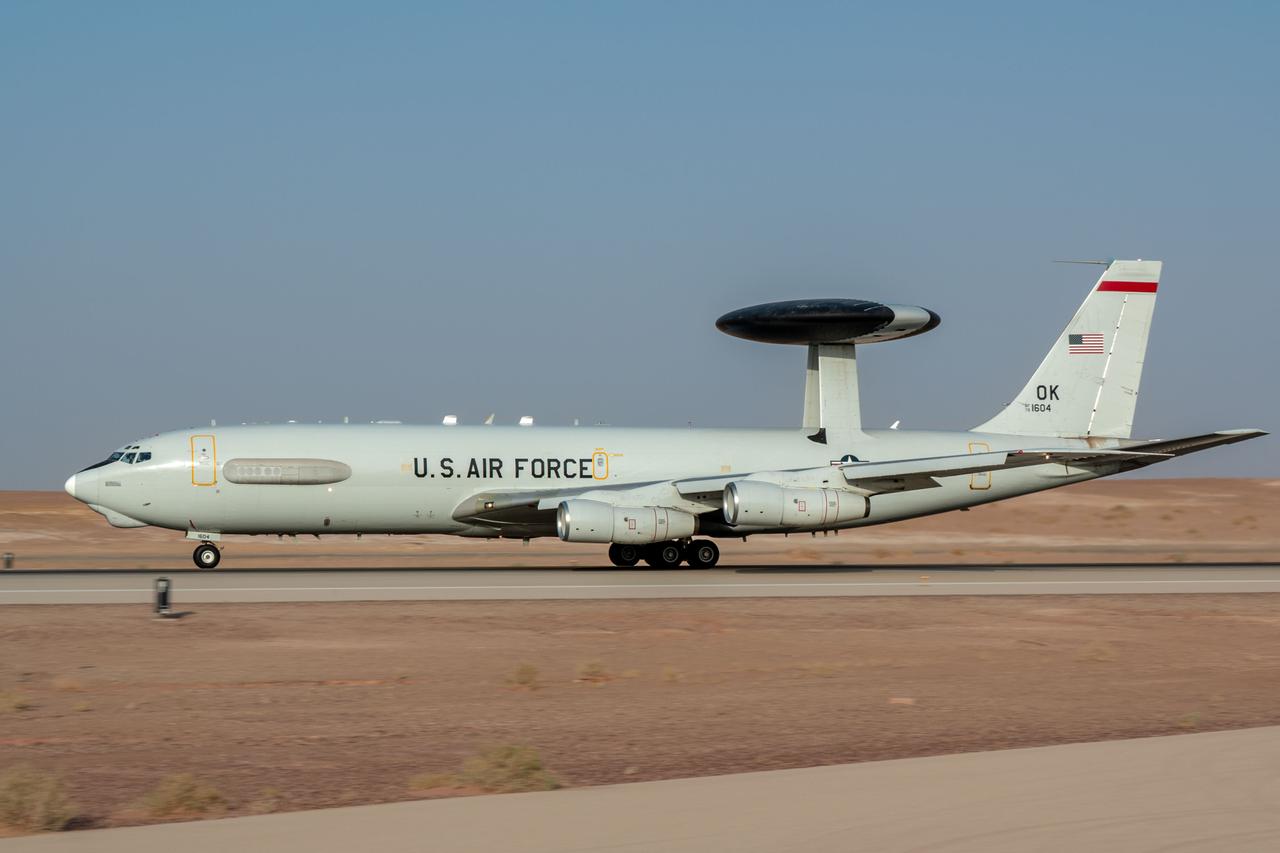
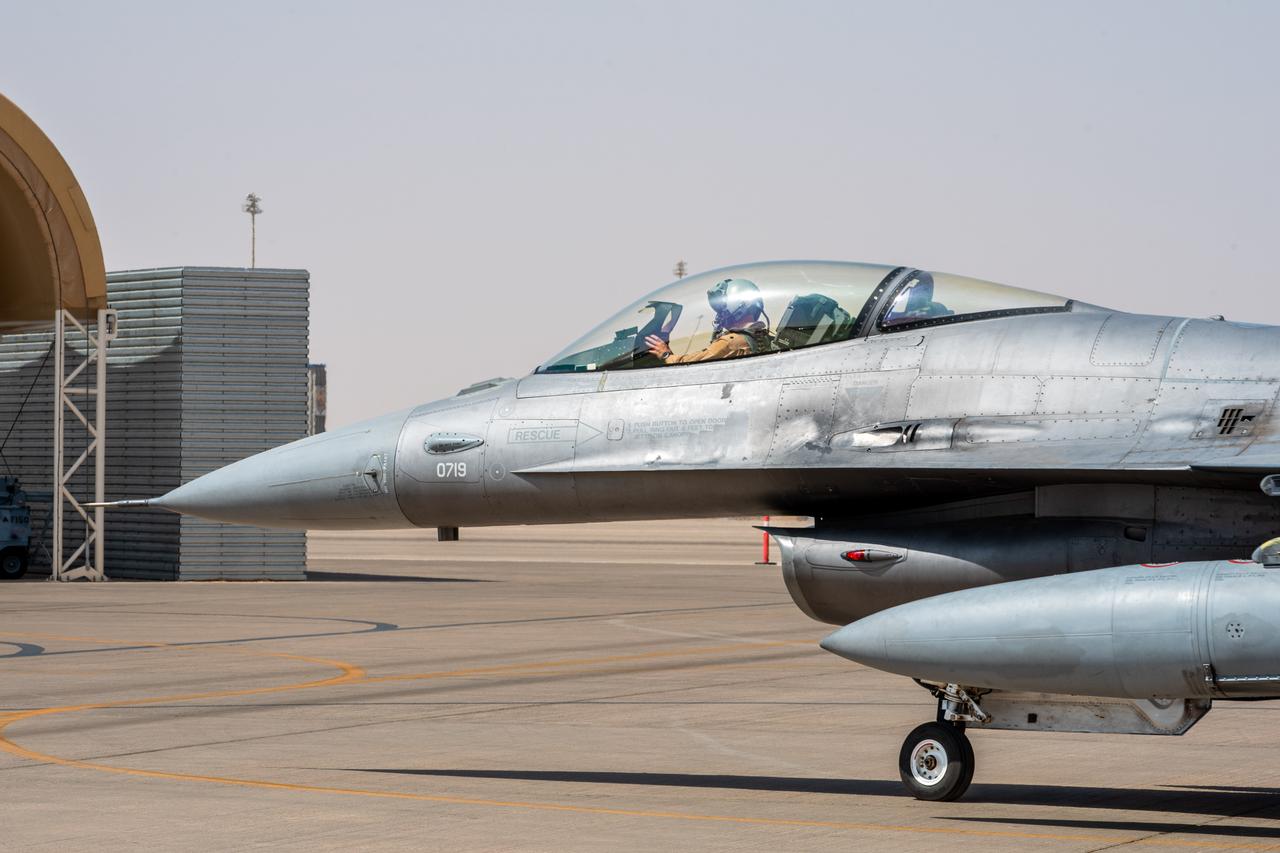
According to two U.S. officials cited by NBC News, Saudi Arabia responded by informing Washington it would not permit U.S. military aircraft to fly from Prince Sultan Airbase southeast of Riyadh, nor through Saudi airspace, to support the operation.
Kuwait also cut off U.S. access to its bases and airspace, per Drop Site News.
Roughly 36 hours after it began, the operation was dead. Two U.S.-flagged ships had already made it through the strait, and the military was lining up additional vessels for transit when Washington pulled the plug.
The air cover needed to protect those ships had nowhere to fly from.
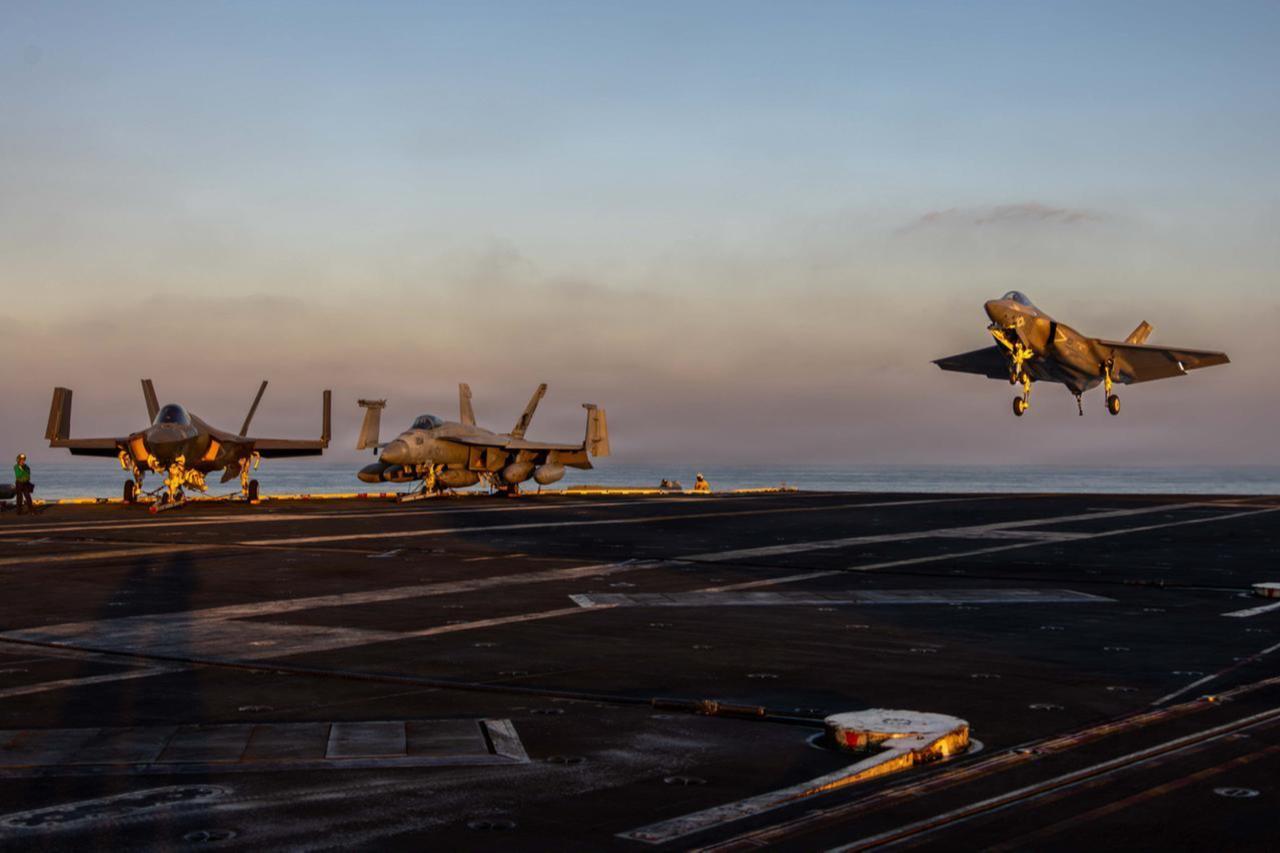
Project Freedom was a substantial military undertaking—guided-missile destroyers, over 100 land- and sea-based aircraft, multi-domain unmanned platforms, and approximately 15,000 service members. The Pentagon's top officials spent Tuesday publicly championing it.
Then, within a day and a half, it was gone. Killed not by Iran, but by the country that hosts America's most critical airbase in the region.
A call between Trump and Crown Prince Mohammed bin Salman did not resolve the matter. That, in itself, is worth pausing on.
The Trump-MBS relationship has been one of the more durable personal bonds in recent U.S. foreign policy—warm, transactional, mutually flattering, and sustained across summits and a very public White House visit in November 2025, where MBS told the assembled crowd that Trump was "number one" and "no one speaks better than him."
If a direct talk between these two men couldn't paper over the disagreement, the frustration in Riyadh runs considerably deeper than a scheduling miscommunication.
The White House's position—that "regional allies were notified in advance"—sits awkwardly alongside the sequence of events. A Middle Eastern diplomat confirmed to NBC News that the U.S. did not coordinate with Oman until after the announcement.
Qatar's emir was called only after Project Freedom had already begun. The sequencing suggests someone in the administration genuinely believes notification and consultation mean the same thing.
The geography here is unforgiving. Saudi Arabia and Jordan are critical for basing aircraft, Kuwait for overflight, and Oman for both overflight and naval logistics. In some cases, as one U.S. official put it with admirable plainness, there is no other way around.
Military air cover was not a nice-to-have for Project Freedom. It was the entire architecture.
What makes this particularly pointed is that the Saudis had not previously withheld this access.
During Operation Epic Fury—the bombing campaign against Iran that began on Feb. 28—Saudi Arabia allowed the U.S. to fly from Prince Sultan and permitted overflight from nearby countries.
The decision to suspend that permission specifically for Project Freedom was a deliberate political signal. Riyadh chose this moment carefully.

Around 20% of global oil consumption transits the Strait of Hormuz.
Since Iran closed it following the February strikes, approximately 1,600 vessels have been unable to pass, leaving thousands of seafarers stranded.
Iran has been permitting transit only to vessels authorized by the Islamic Revolutionary Guard Corps, and naval mines have reportedly been laid in the strait.
The Gulf states are absorbing this in real time. Hotel occupancy in Dubai is projected to fall to 10 percent in the second quarter of 2026, against 80% before the war, according to Moody's Analytics, due to an effective shutdown of the hospitality sector.
Qatar's liquefied natural gas (LNG) exports have ground to a halt, with Doha extending force majeure on deliveries through June.
Saudi Arabia has kept oil moving through its East-West pipeline to the Red Sea at around five million barrels per day, but the economics are strained.
ING's commodities team notes that Saudi Arabia cut its official selling price for Arab Light to Asia for June from a record $19.50 per barrel premium to $15.50—with the catch that this price assumes loadings from Ras Tanura, which is not currently happening.
Crude is loading at Yanbu on the Red Sea instead.
The Saudis are paying. The question is whether they believe America's approach to the war is making things better or worse.
The Saudi discomfort predates this episode. Iranian strikes have hit targets inside the kingdom. The closure of the strait has damaged export revenues at a moment of fiscal strain.
And Riyadh has watched with undisguised unease as Israeli strategic objectives—including, reportedly, the possibility of a functionally failed Iranian state—diverge sharply from its own.
A divided Iran is an Israeli problem solved and a Saudi nightmare inaugurated.
There is also the matter of how this war started. U.S. Secretary of State Marco Rubio essentially admitted in early March that the U.S. went to war in anticipation of an Iranian attack on Israel. The New York Times reported in April that Netanyahu personally convinced Trump to go to war by insisting regime change would be easy and that Iran would be unable to close the strait.
Then there is the ceasefire history. A ceasefire was agreed on April 8. Talks in Islamabad ended without agreement. Trump announced an indefinite extension on April 21.
Negotiations stalled. Iran attacked the UAE on May 4, hitting the Fujairah Petroleum Industry Zone and targeting an ADNOC tanker transiting the strait. Trump announced Project Freedom two days later, apparently without calling Riyadh first.
Ahmed Khuzaie, a Bahraini analyst and managing partner at Khuzaie Associates, told the Jerusalem Post that Saudi Arabia's airspace decision could unfold in one of two ways.
The optimistic reading: it pressures Washington into engaging more seriously with Pakistan's mediation effort and creates space for a negotiated settlement.
The darker reading: Iran interprets the move as evidence that the American-led coalition is fracturing, becomes emboldened, and hardens its bargaining position.
"That perception could encourage Iran to expand its regional provocations, betting that Gulf states will continue to restrain Washington," Khuzaie warned.
The outcome hinges on whether Saudi restraint functions as a diplomatic anchor or inadvertently creates strategic space for Iran. Riyadh is making a calculated bet. Whether Tehran reads it the same way is another matter.
Trump remains publicly optimistic. He told PBS this week that the war has "a very good chance of ending," before adding that if it doesn't, the U.S. will "go back to bombing the hell out of them."
A Jordanian official, however, offered a parallel assessment: "The Iranians don't have the economic means to keep this going. Their economy is failing; and they can't pay salaries." Trump hopes to have something resolved before traveling to Beijing next week, which makes the timeline extraordinarily tight and the incentives for a quick, possibly thin, agreement correspondingly high.
What this week has clarified is that Gulf consent is no longer automatic in U.S. military ventures. During Operation Epic Fury, the Saudis said yes. For Project Freedom, they said no.
As Khuzaie put it, "Saudi Arabia is signaling that Gulf consent is no longer automatic in U.S. military ventures. This recalibration complicates the war's trajectory, as Washington must now balance its operational urgency with the political realities of Gulf autonomy."
The long-running structural logic of the U.S.-Saudi alliance—oil, petrodollar recycling, shared threat perception—has been eroding for years, held together in part by the personal chemistry between Trump and MBS. But chemistry seemingly has its limits.
The Saudis did not close their airspace out of sentiment but rather because they concluded that absorbing the diplomatic cost was preferable to endorsing an operation they hadn't sanctioned, didn't want, and suspected was being driven by a White House making decisions faster than it was thinking them through.
That calculation was not reversed by a phone call with the Crown Prince. It will not be forgotten once the current diplomatic flurry settles.
When the airspace closes, the relationship's actual load-bearing capacity becomes visible. It turned out to be rather less than advertised.


 Set as preferred source
 Set as preferred source


 1 min read
 1 min read