Newsletters


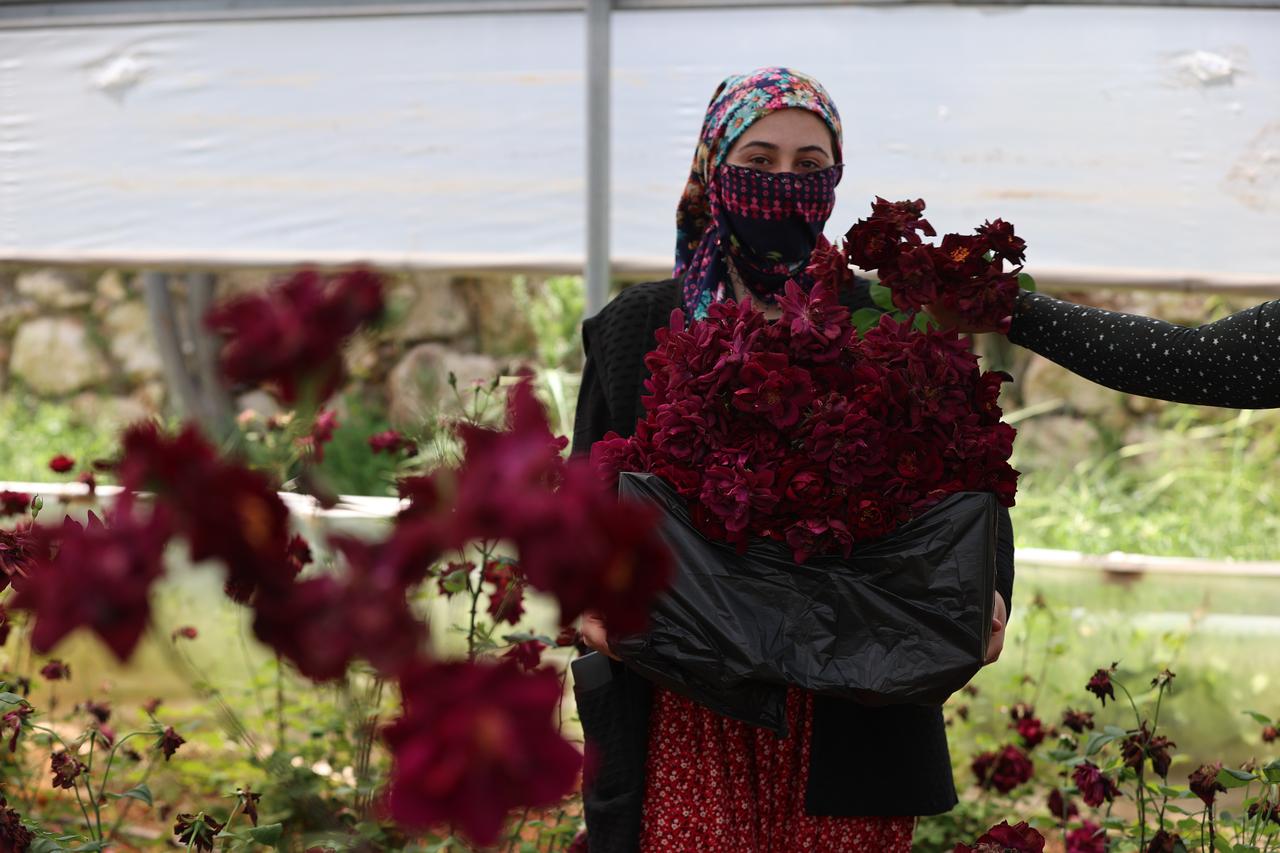


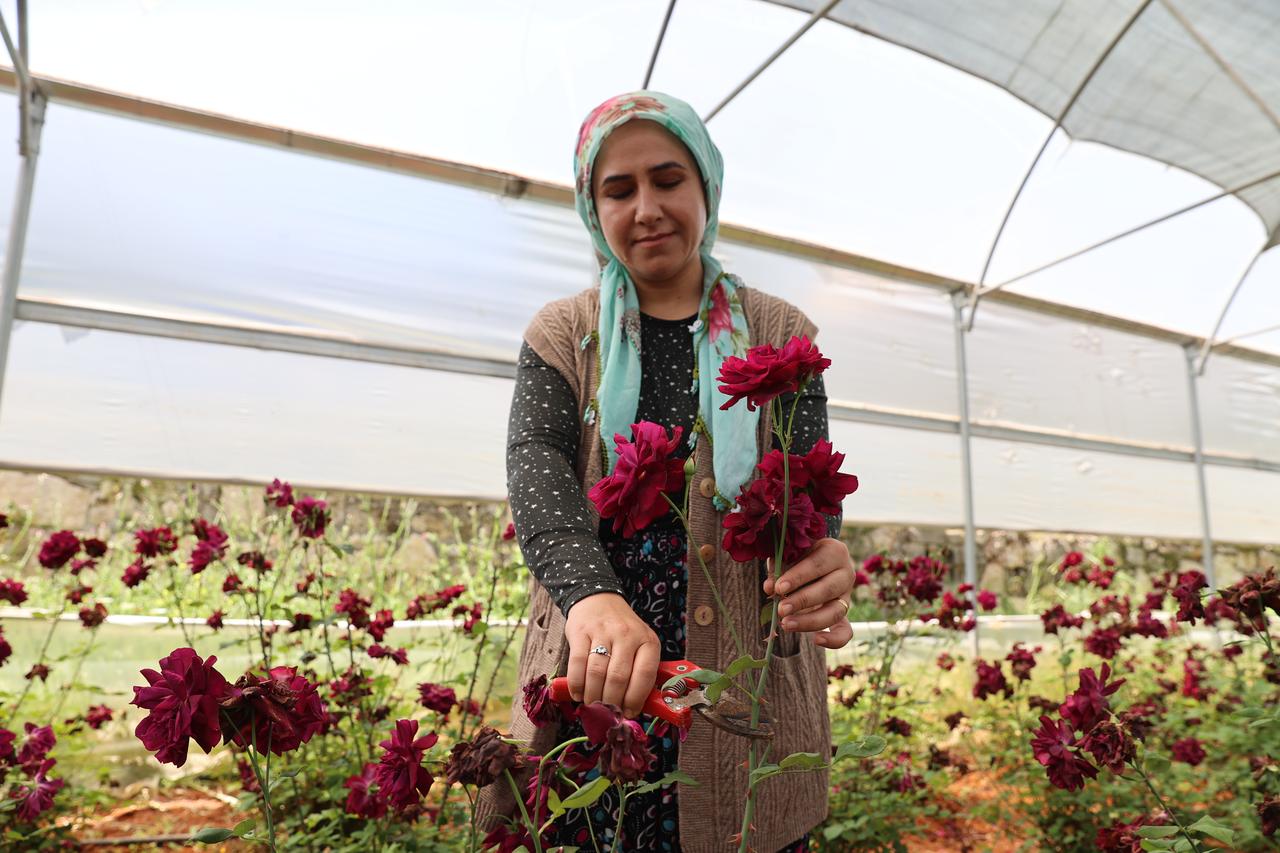
The harvest has started for the geographically registered “karagul,” or black rose. It is a rare endemic plant grown exclusively in the Halfeti district of southeastern Türkiye.
Its distinctive color and fragrance are shaped by the region’s unique environmental conditions.
Recognized as a “slow city” by the Cittaslow International Coordination Committee in 2013, Halfeti has drawn attention not only for its historic stone houses and landscapes but also for hosting one of the world’s most unusual flowers.
The karagul stands out as an endemic species, meaning it naturally grows only in a specific geographic area.
According to local officials, this rose develops its signature dark tone and scent from the soil and microclimate of the Euphrates basin. Even a short distance away, the same plant fails to produce identical results.
Authorities emphasized that the best time to experience the flower in full bloom runs from May to June, when visitors can see, touch and smell it in its natural environment.

Production of the black rose has narrowed over time, particularly after rising water levels from the Birecik Dam reduced available agricultural land.
As a result, cultivation today largely takes place in controlled greenhouse settings.
Efforts are underway by local authorities, including the district governor’s office, municipality and agricultural directorate, to expand production.
New greenhouse projects and designated cultivation areas are being developed to support both output and sustainability.
At present, cultivation is carried out across a mix of indoor and outdoor spaces, while additional land has been allocated for expanded growing areas and a distillation facility aimed at processing the rose into commercial products.
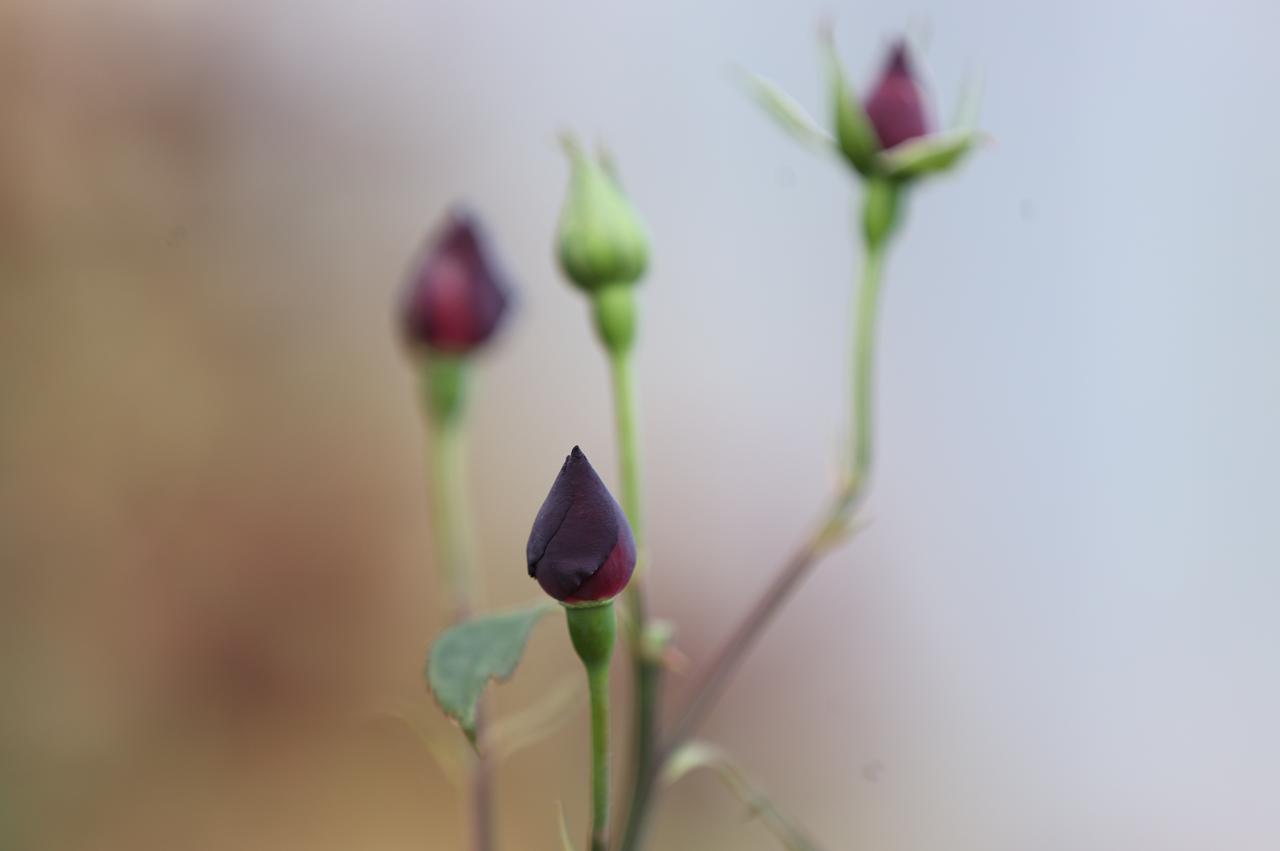
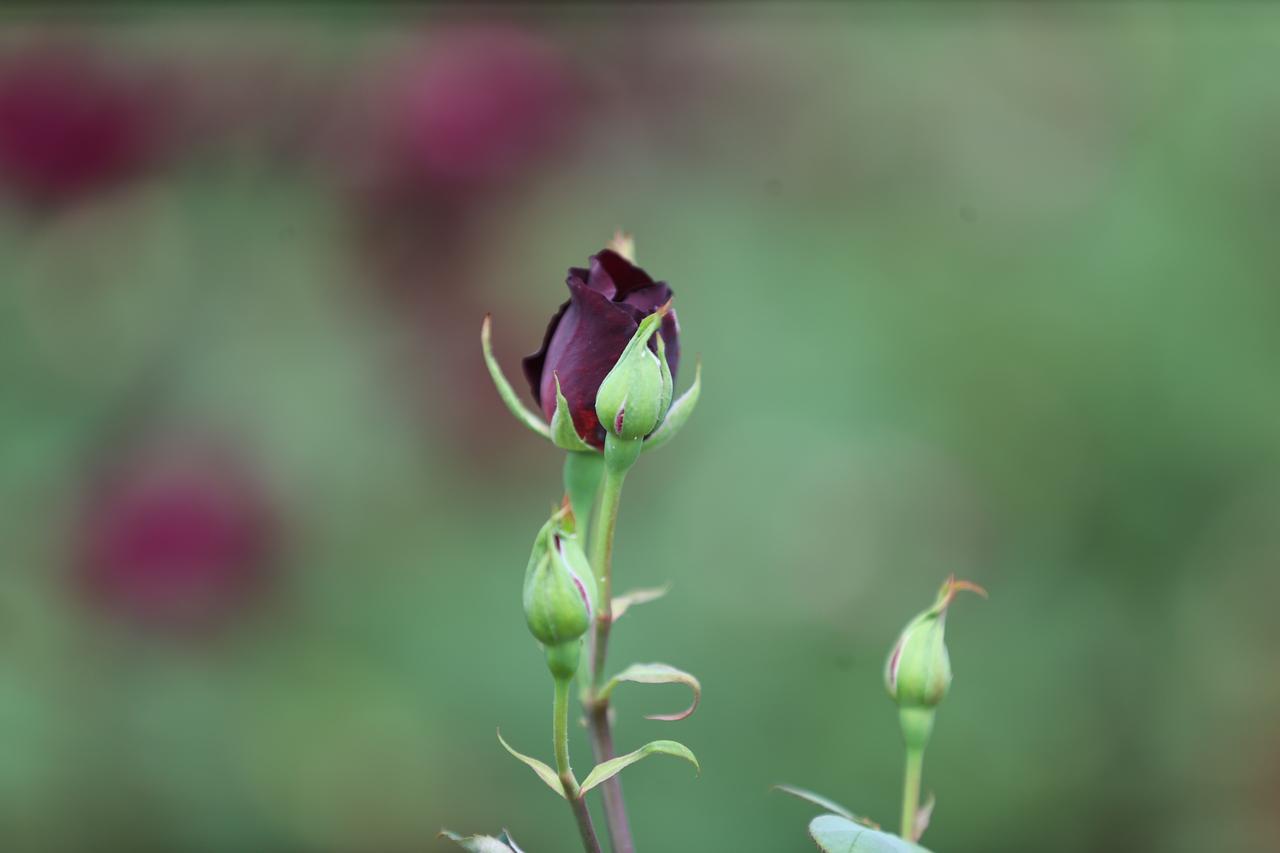
One of the defining features of the karagul is its changing color. Agricultural officials explained that the rose appears black during its bud stage, then gradually shifts from deep purple to a lighter red as it blooms.
When grown outside Halfeti, however, the same plant loses its signature darkness and turns closer to pink, highlighting the importance of the region’s unique conditions.
Once harvested, the roses are processed for use in a range of value-added products, including Turkish delight, cologne, soap and fragrances.
These products are often prepared with the involvement of local women’s cooperatives, which receive rose petals as part of the production cycle.
Despite recent severe storms in the region, cultivation has continued, and the current harvest is being carried out with support from these cooperatives.
Visitors to Halfeti are able to tour cultivation areas and observe the harvesting process firsthand, further linking the flower to the district’s tourism and local economy.


 Set as preferred source
 Set as preferred source



 1 min read