Newsletters


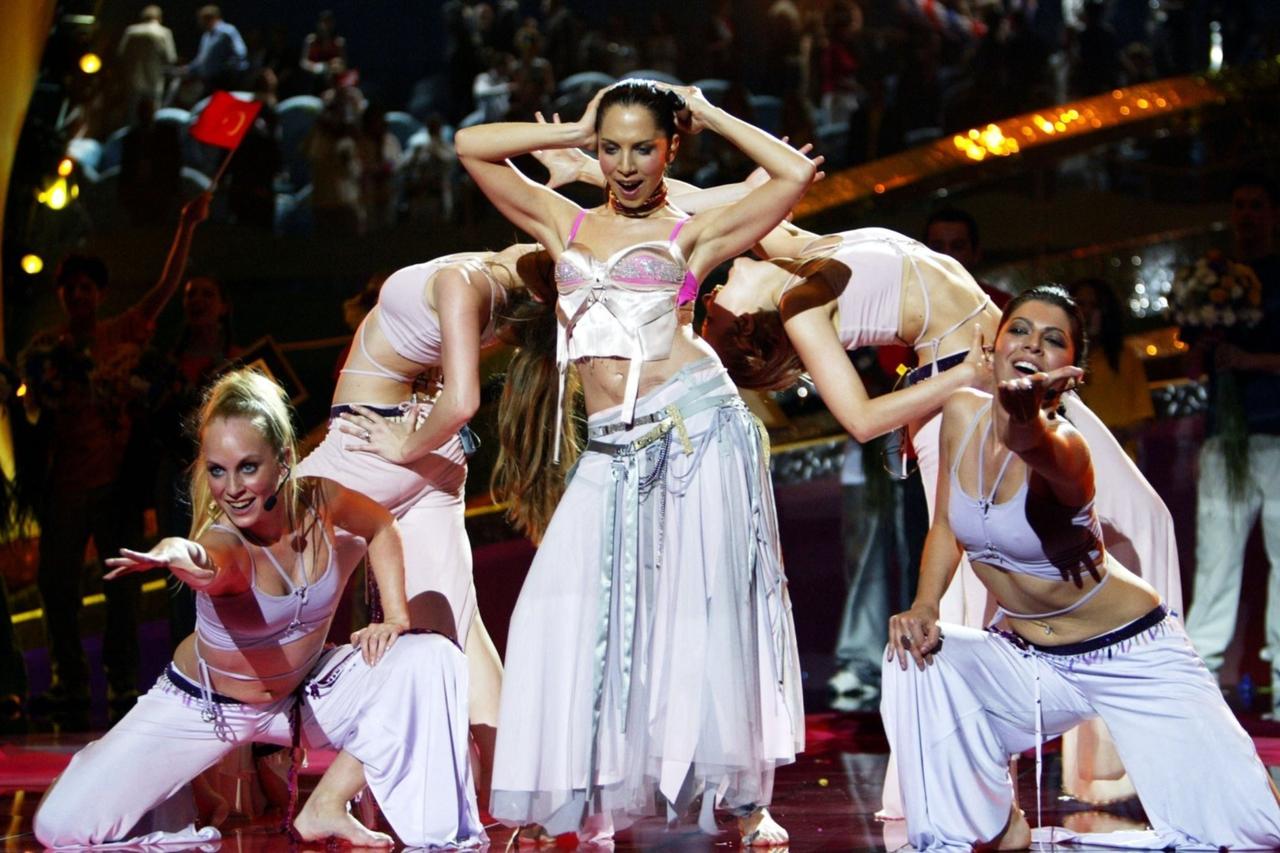


Sertab Erener, the singer who brought Türkiye its first and only Eurovision victory, said she declined an invitation to perform during the 2026 Eurovision Song Contest final in Vienna.
Erener announced the decision in a video shared on social media ahead of her Istanbul concert scheduled for May 16, the same date as the Eurovision final. She said she had received a special invitation to appear on the final night but chose not to accept it.
The singer cited two reasons for the decision, according to Turkish media reports. She said current political developments in the world affected her choice and added that she already had a concert planned for the same evening.
Erener described the decision with the Turkish phrase “icimden gelmedi,” meaning she did not feel moved to take part.
Erener remains one of the most important names in Türkiye’s Eurovision history. She won the 2003 contest with “Everyway That I Can,” giving Türkiye its first and only victory in the competition.
The song became one of Türkiye’s best-known Eurovision entries and gained wider attention across Europe after the contest.
Her decision to reject the 2026 final invitation carries symbolic weight because it comes from the artist most closely associated with Türkiye’s Eurovision success, at a time when this year’s contest has become increasingly politically charged.
Türkiye has not been framed in the supplied reports as formally joining any Eurovision boycott, and Erener was not quoted as naming a specific country or issue in her explanation. However, her reference to global political developments comes as Eurovision faces growing pressure over Israel’s continued participation.


The 2026 Eurovision Song Contest is scheduled to take place in Vienna from May 12 to 16, marking the contest’s 70th anniversary under the slogan “United by Music.”
That slogan has come under strain as artists, broadcasters and cultural workers across Europe challenge the European Broadcasting Union’s decision to allow Israel’s public broadcaster, KAN, to remain in the competition.
More than 1,000 musicians and cultural workers signed an open letter through the “No Music for Genocide” campaign, calling on artists, broadcasters, production teams and audiences to withdraw from Eurovision unless the EBU excludes KAN.
The campaign argues that Israel’s participation helps normalize its military actions in Gaza and points to what signatories describe as a double standard compared with the EBU’s decision to exclude Russia after its 2022 invasion of Ukraine.
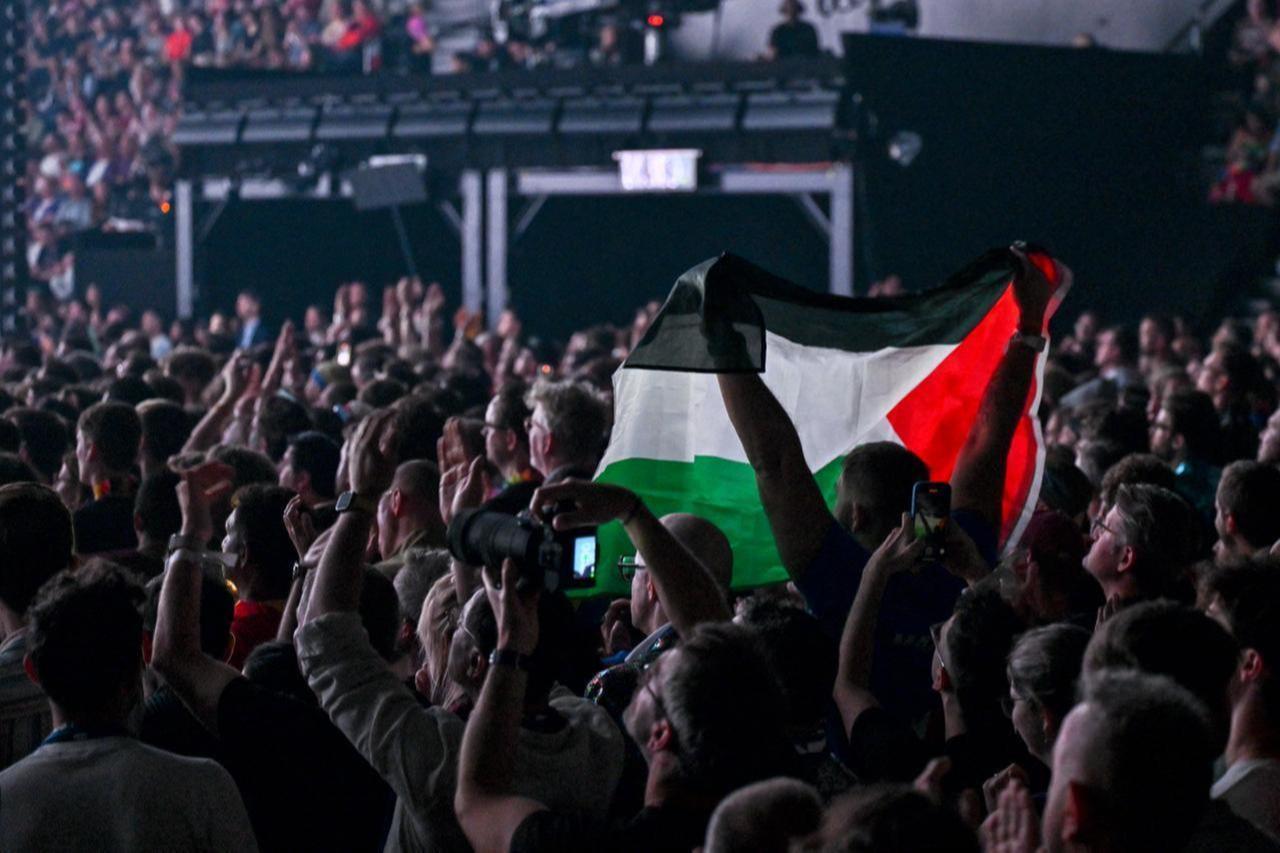
Slovenia’s public broadcaster RTV Slovenia has confirmed it will not air the 2026 contest after the country withdrew from participation. Instead, Slovenian viewers will see a program of Palestinian documentaries and feature films titled “Voices of Palestine.”
Spain and Ireland have also been reported as joining the broadcasting blackout, while the wider boycott movement has drawn support from artists including Brian Eno, Massive Attack, Kneecap, IDLES, Sigur Rós, and Macklemore.
The EBU has introduced stricter rules for the 2026 edition, including measures aimed at limiting political interference and outside promotion in public voting.
But the controversy has continued to grow, turning this year’s Eurovision into a test of whether the contest can still present itself as apolitical entertainment while the war in Gaza remains at the center of cultural and political debate in Europe.


 Set as preferred source
 Set as preferred source


 3 min read