Newsletters


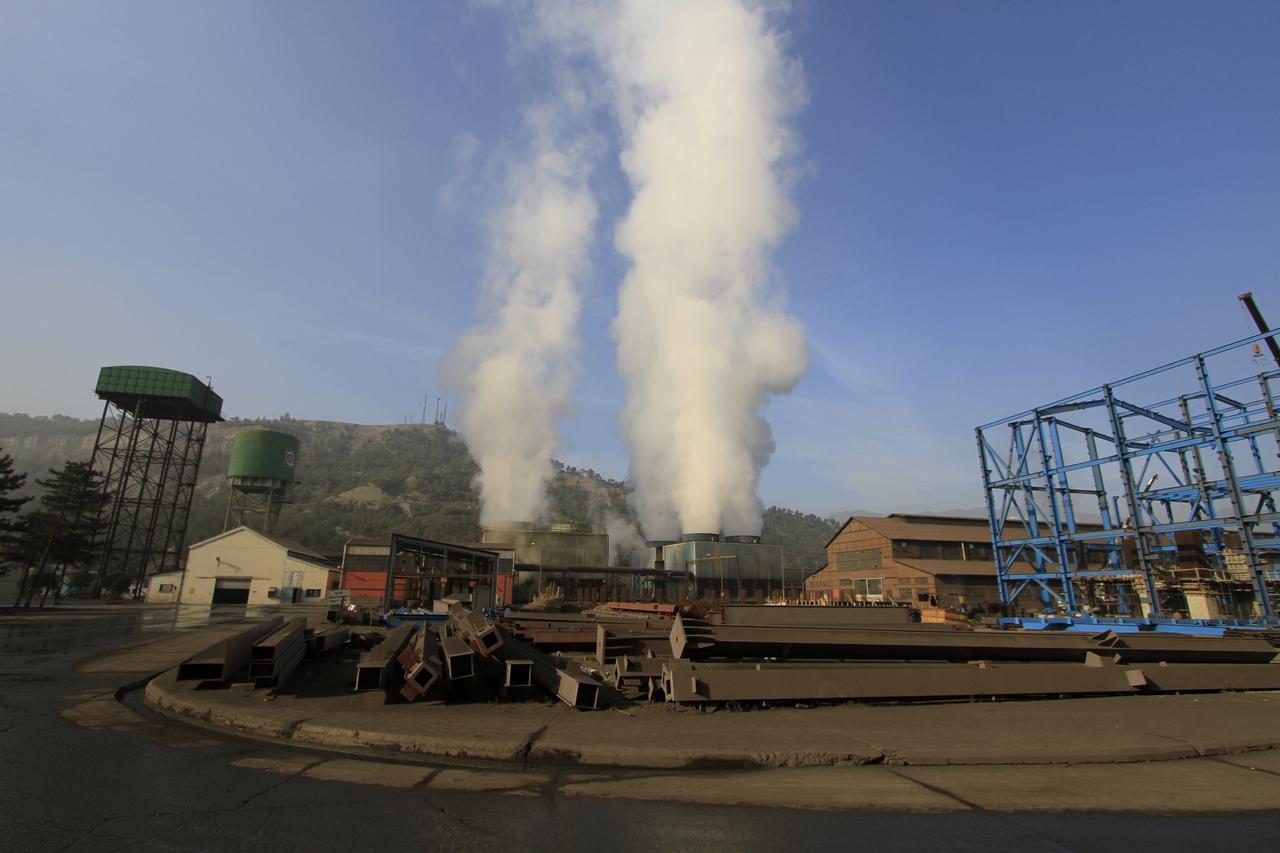


Türkiye’s industrial production declined 1.1% year-over-year in March, while first-quarter output contracted 1.3% compared to the same period last year, according to official figures.
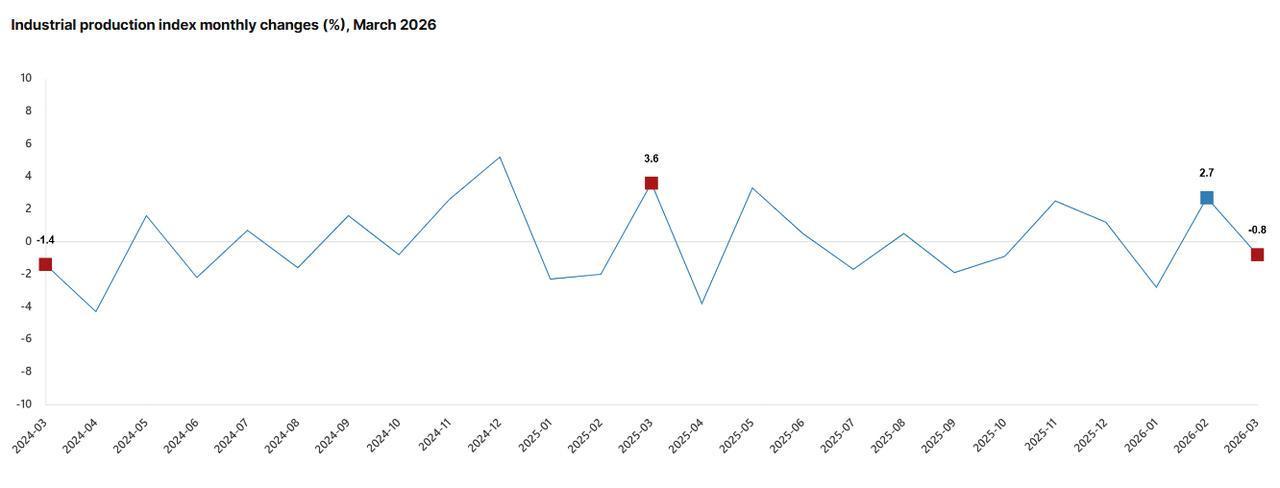
The industrial production index decreased 0.8% month-on-month in March, while first-quarter industrial production rose 0.2% compared to the previous quarter.
Among industrial subsectors, the mining and quarrying index dropped 5.6% annually in March, while the manufacturing industry index fell 1.3%. In contrast, the electricity, gas, steam and air conditioning supply sector increased 5.8% from a year earlier.
The sharpest annual decline came from high-technology production, which contracted 11.8%, while capital goods output fell 4.4%. Energy production was among the few areas showing strong growth, rising 6.5% year-over-year.
Monthly figures also pointed to weakness in industrial activity. Mining and quarrying output declined 1.6% from February, while manufacturing production decreased 1.1%.
The electricity, gas, steam and air conditioning sector rose 3.9% every month.
Capital goods production dropped 6.4% from the previous month, while high-technology output declined 3.2%. Durable consumer goods were one of the stronger categories, increasing 6.8% month-on-month.
The data largely reflected disruptions amid the Iran war, as rising energy costs, weakening global demand and tight monetary conditions continued to strain production.

Treasury and Finance Minister Mehmet Simsek stated that geopolitical tensions and elevated energy prices continued to pressure global trade and demand.
"Uncertainty caused by geopolitical developments and high energy prices are putting pressure on trade and demand globally," Simsek noted in a statement shared on social media.
He added that the government was implementing comprehensive measures to support industry and limit the impact of current global conditions on Türkiye’s economy.
Brokarege arm of Garanti BBVA's report said industrial activity remained weak overall despite limited quarterly growth, pointing to softer momentum in intermediate goods and durable consumer goods, while the energy sector performed relatively better.
"Leading indicators for the Turkish economy point to a slowdown," the analysts said, warning that prolonged geopolitical risks could disrupt raw material supply chains and further pressure production.
The report also noted that persistently strong inflation could keep interest rates higher for longer, increasing downside risks to economic activity.


 Set as preferred source
 Set as preferred source


 1 min read
 1 min read